Blog
Carrot and beetroot juices: two foundation recipes and their variations


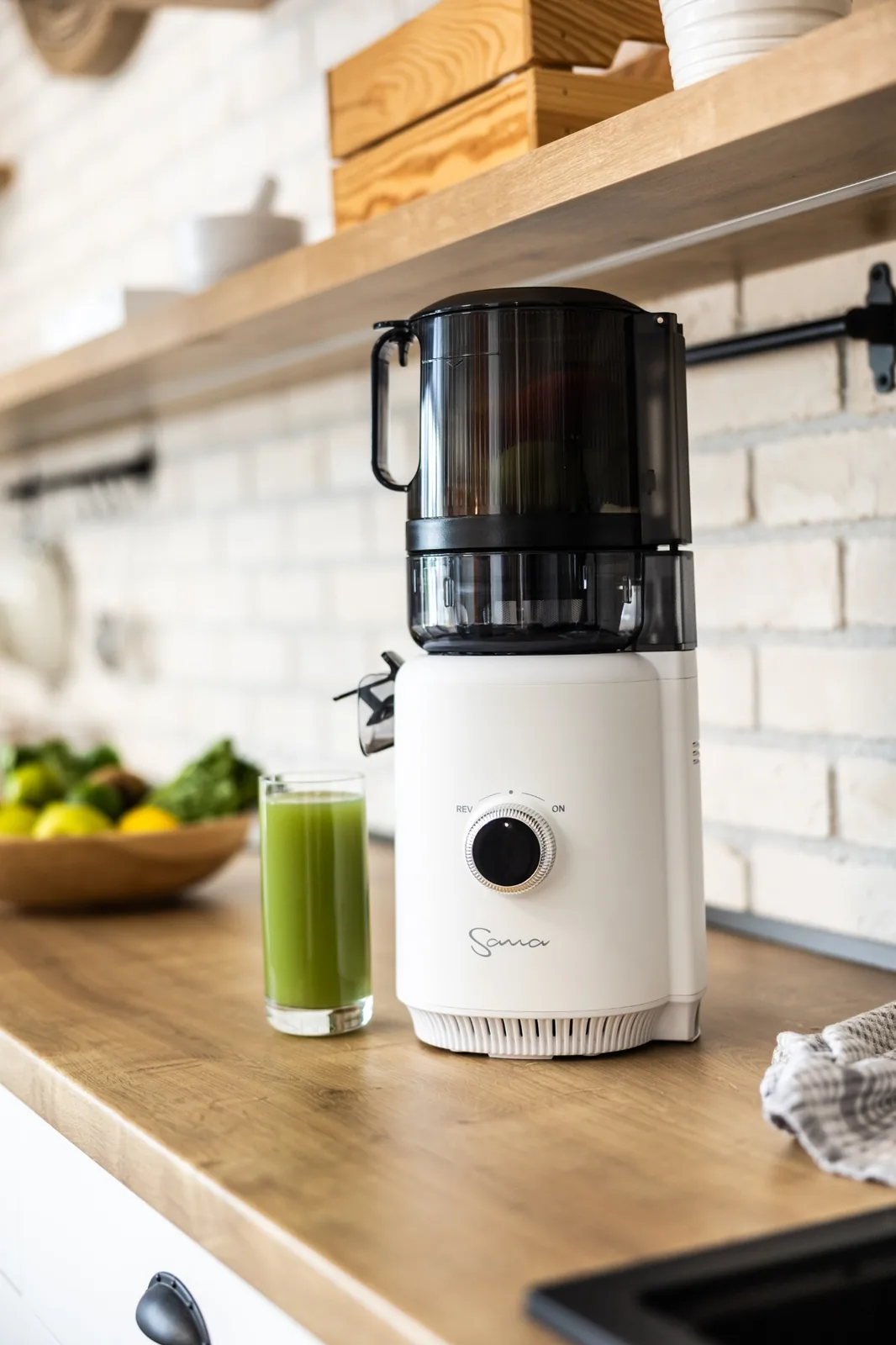
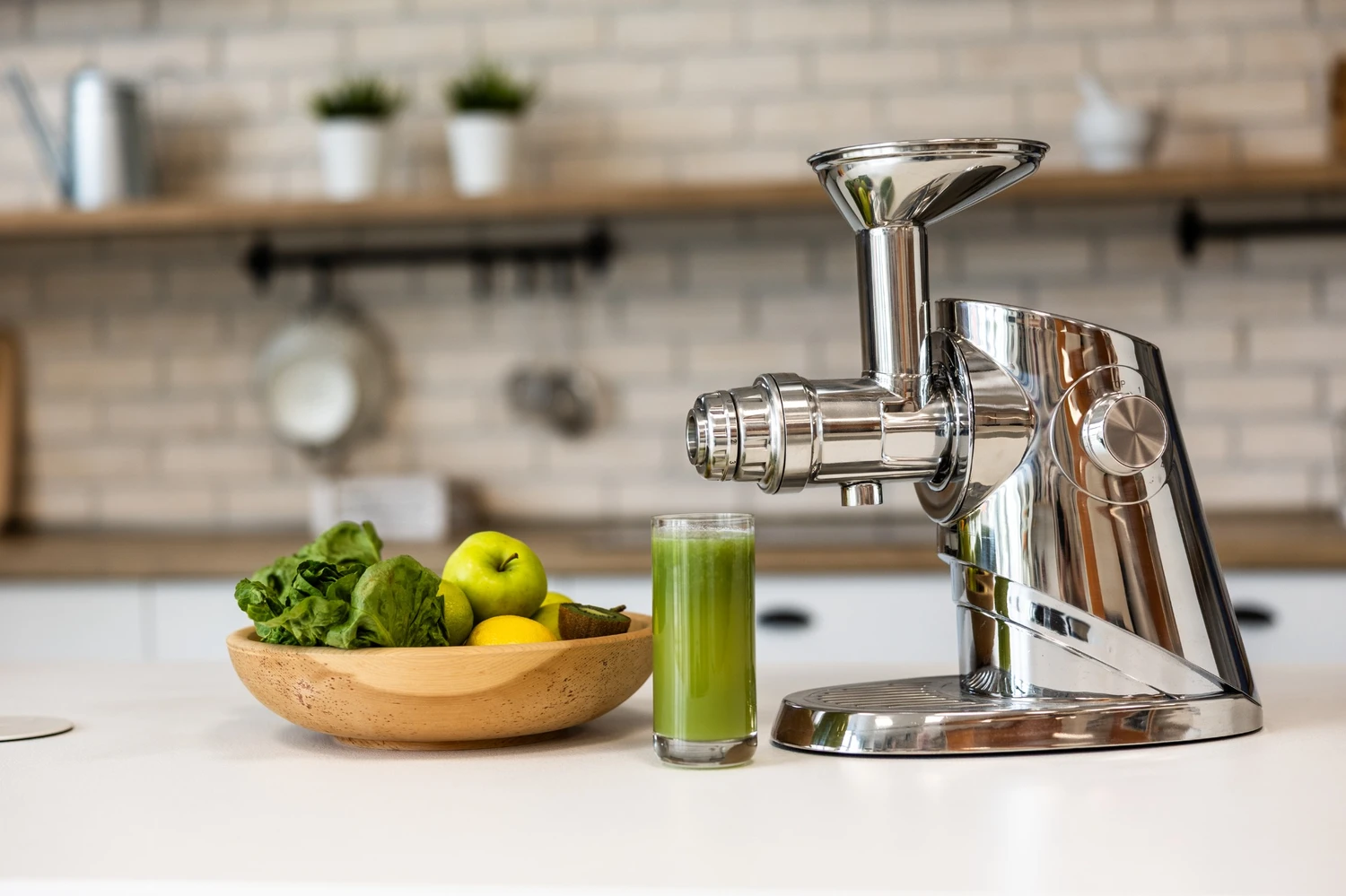
Short answer. Carrot and beetroot juice are the two root juices we make most often, and each has a simple foundation recipe. The carrot one is carrot, orange and ginger, kept bright orange. The beetroot one is beetroot, cucumber, ginger and lemon, with apple in place of cucumber if sugar isn’t a concern. Scrub rather than peel young roots, cut them into small pieces, feed them slowly, and rinse the juicer as soon as you finish, because beetroot stains. About 500 g of carrots gives 250 to 300 ml of juice. Horizontal slow juicers such as the Sana 727 and Sana 707 handle hard roots well, and the hands-free Sana 878 suits bigger carrot-led batches.
On this page
- Why carrot and beetroot make good foundation juices
- Carrot, orange and ginger juice
- Beetroot, cucumber, ginger and lemon juice
- How to balance the earthy taste of beetroot
- Preparing carrots and beetroot
- How to deal with beetroot stains
- What carrot and beetroot juice contain
- Which Sana juicer suits carrot and beetroot?
- Frequently asked questions
Why carrot and beetroot make good foundation juices
Carrots are usually among the most affordable vegetables in South African shops all year round, which makes them the natural base for a juice you drink often. They are sweet and go with almost anything. Beetroot is deep, earthy and intensely coloured, so a little goes a long way.
Both are hard roots, which a slow juicer presses rather than shreds, for more juice per kilo, less foam and less heat than a fast spinning juicer gives. Each recipe below is a base to build on, the same way our foundation green juice is.
Carrot, orange and ginger juice
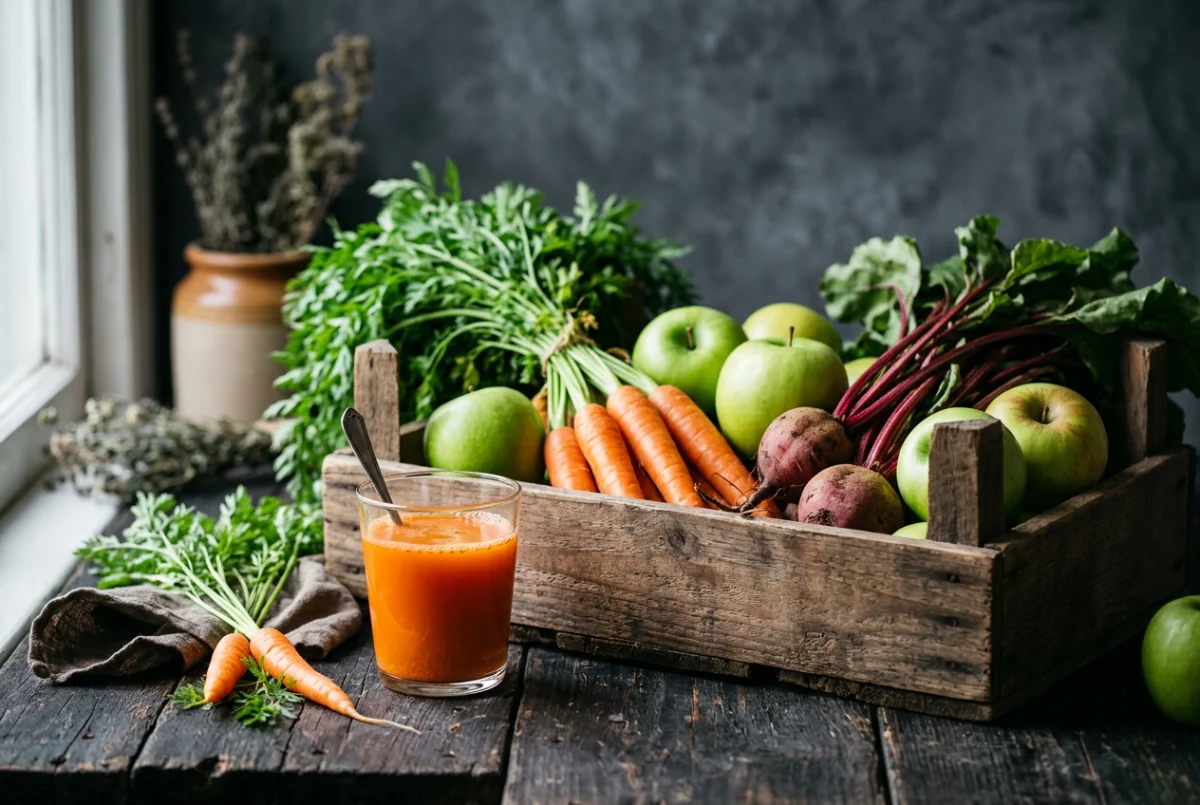
This is the sunny one. Carrot gives body and sweetness, orange adds brightness, and ginger brings a little heat. Our one rule is to keep it orange: anything green turns it a muddy brown, and beetroot turns it red. Stick to orange, yellow and pale ingredients and it stays the colour it should be.
Carrot, orange and ginger juice
Ingredients
Equipment
Method
- Scrub the carrots under running water and trim the tops and tails. Cut them into sticks of about 2 to 3 cm.
- Peel the oranges, leaving most of the white pith, and remove the pips. Break them into segments.
- Fit the fine screen. On the Sana 727, set the speed to 40 rpm. The Sana 707 runs at one low speed.
- Feed the juicer alternately: a few carrot pieces, a slice of ginger, a few orange segments. Let each handful clear before adding the next.
- Finish with carrot to push the last of the ginger and orange through.
- Stir the juice and drink it straight away.
Notes
Variations to try.
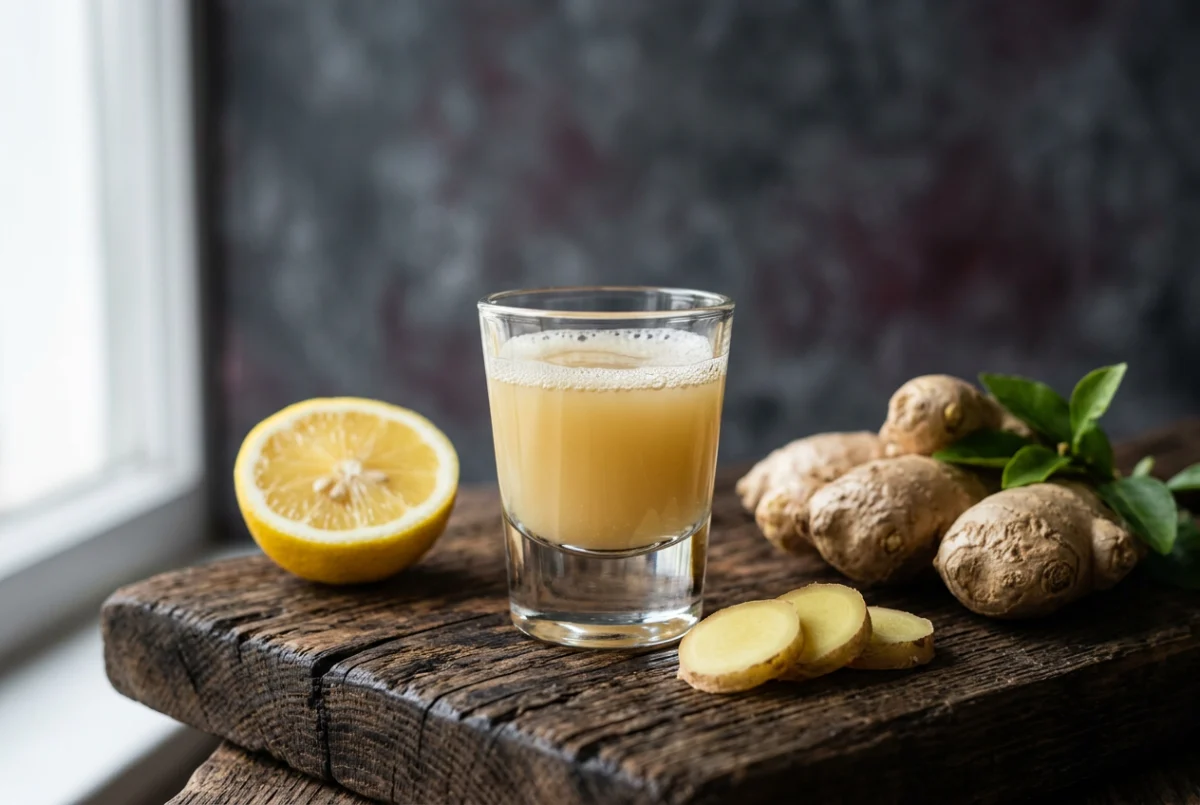
- Turmeric. A small piece of fresh turmeric, about 5 g, deepens the colour and adds an earthy warmth. It stains, so rinse up straight away. For a stronger, smaller drink, see our ginger and turmeric shots.
- Pineapple. Swap one orange for a chunk of peeled pineapple, about 150 g. It makes the juice rounder and more tropical.
- Apple. A firm apple, cored, in place of one orange gives a milder, sweeter juice that children tend to like.
- Lemon. Half a peeled lemon in place of one orange makes a sharper, less sweet glass.
Beetroot, cucumber, ginger and lemon juice
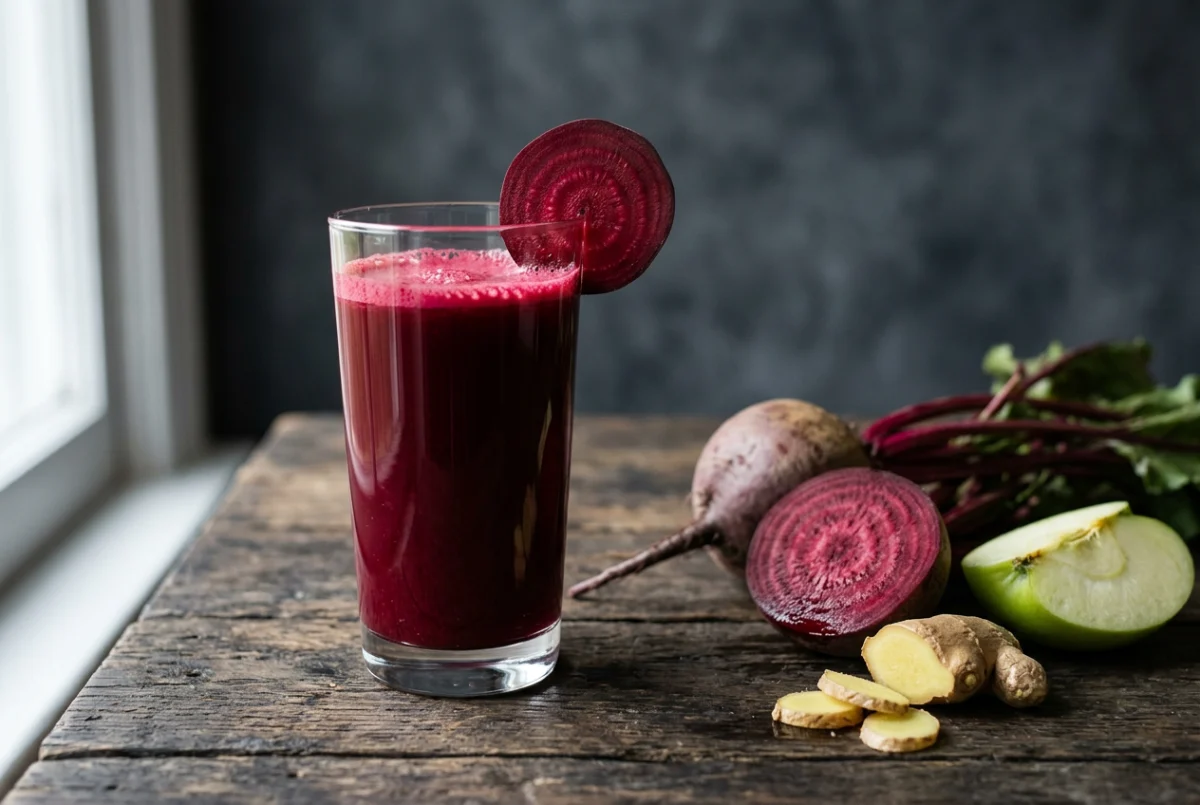
Beetroot juice on its own is heavy and very earthy. Cucumber dilutes it with a cool, clean flavour and very little sugar, while ginger and lemon keep it lively. The result is a deep magenta juice that is far easier to drink than straight beetroot.
If sugar isn’t a concern for you, use a firm apple instead of the cucumber. It makes a sweeter, rounder juice that many people prefer when they are starting out.
Beetroot, cucumber, ginger and lemon juice
Ingredients
Equipment
Method
- Scrub the beetroot under running water and trim the top and root tail. Peel only if the skin is old, thick or woody. Cut into pieces of about 2 to 3 cm.
- Cut the cucumber into long wedges. Peel the lemon half and remove the pips.
- Fit the fine screen. On the Sana 727, set the speed to 40 rpm. The Sana 707 runs at one low speed.
- Feed a few pieces of beetroot, then a wedge of cucumber, adding the ginger and lemon between them. Let each handful clear before adding more.
- Finish with cucumber to carry the last of the beetroot juice out of the drum.
- Stir and drink straight away, then rinse the juicer before the juice dries.
Notes
Variations to try.
- Carrot. Replace half the cucumber with two or three carrots. It softens the earthiness and turns the juice a warmer red.
- Orange. One peeled orange makes it brighter and a little sweeter.
- Pineapple. A chunk of pineapple pairs well with ginger and covers the earthy note.
- Celery. A few stalks, cut short, make it more savoury and less sweet.
How to balance the earthy taste of beetroot
The earthy, almost soil-like flavour puts many people off beetroot juice. It is easy to manage.
- Start with less. Begin with beetroot as about a third of the glass, and increase it once you like the taste.
- Add acid. Lemon is the quickest fix. If a beetroot juice tastes flat or muddy, a little more lemon usually sorts it out.
- Use ginger. Its heat cuts through the earthiness.
- Pair it with something sweet. Carrot, apple, orange or pineapple all soften it. One piece of fruit per two glasses is plenty.
- Serve it cold. Beetroot and cucumber straight from the fridge make a fresher-tasting juice.
Preparing carrots and beetroot
Scrub, don’t peel. Young carrots and beetroot with thin, smooth skins don’t need peeling. Scrub them under running water with a vegetable brush, since root vegetables can carry soil and even small stones. Trim the top and the root tail. Peel older roots with thick, woody or blemished skins, because the skin tastes bitter and juices poorly.
Cut them small. Hard roots juice more easily in smaller pieces. Sana’s 727 manual asks for firm ingredients such as beets and carrots to be cut smaller and fed slowly, and the 878 manual gives the same advice. Sticks or wedges of about 2 to 3 cm work well.
Juice it raw. Cooked beetroot is soft and breaks down into a purée rather than giving juice, so keep it for salads. The 878 manual also says not to juice canned or processed produce.
Know your yields. About 500 g of carrots, six to eight depending on size, gives 250 to 300 ml of juice. Two medium beetroot, about 300 g, are plenty for two glasses once diluted with cucumber.
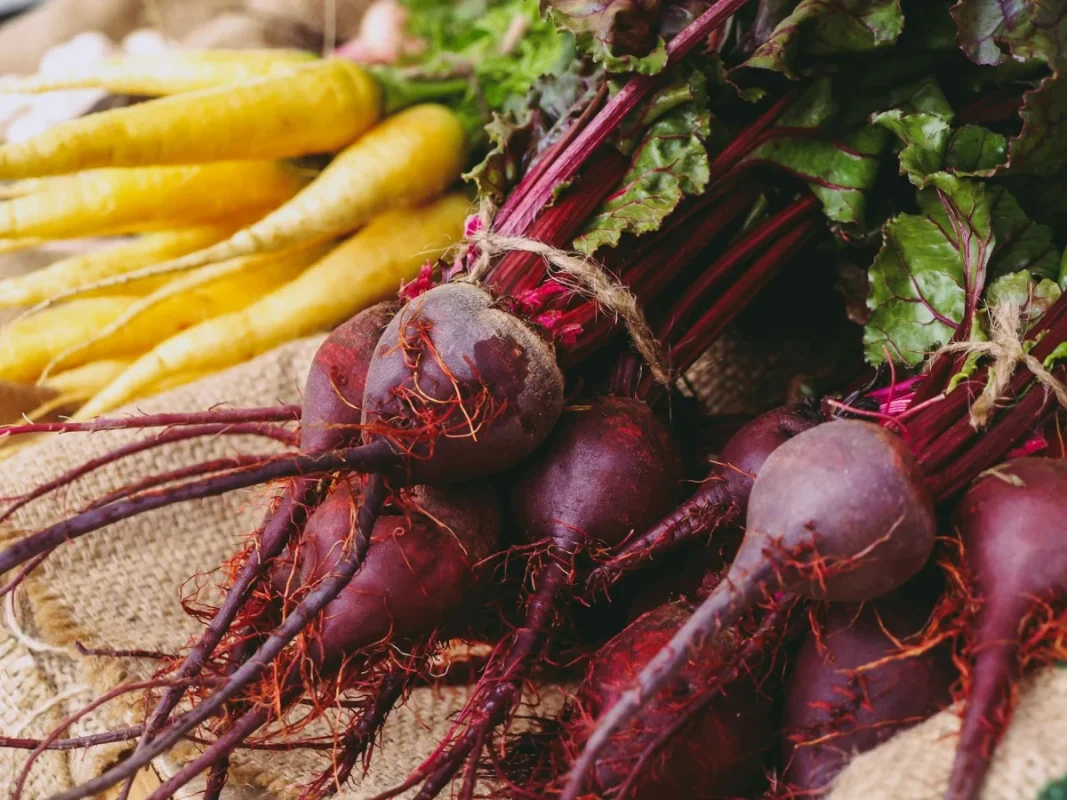
Use the leaves too. Beetroot bought in bunches often comes with its leaves, and they are worth using. They are close relatives of Swiss chard and can be juiced like any leafy green. Wash them well, roll a few into a tight bundle and feed it between pieces of beetroot or cucumber, so the harder produce pushes the leaves through. They taste strong and slightly bitter, so a few leaves per batch is enough.
How to deal with beetroot stains
Beetroot juice stains almost everything it touches, but a few habits keep it under control.
- Juice the carrot first. If you are making both juices, do the carrot one first, then the beetroot, so the carrot juice stays orange.
- Rinse the juicer straight away. Take it apart and rinse every part under running water before the juice dries, then use the cleaning brush on the screen. Sana’s 727 manual advises against abrasive cleaners and scourers, so stick to the brush. A faint pink tint on clear parts can linger after a lot of beetroot. It is cosmetic.
- Protect your hands. Wear thin kitchen gloves, or rub your hands with lemon juice and wash them with soap.
- Choose your board. Use a plastic board, or rinse a wooden one as soon as you have finished cutting.
What carrot and beetroot juice contain
Beetroot is rich in dietary nitrate, which the body converts to nitric oxide. A 2013 review by Siervo and colleagues pooled short trials and found a small average fall in systolic blood pressure, and a 2020 review by Senefeld and colleagues found a small effect on exercise performance, but none in trained endurance athletes. These were small, short studies, and more research is needed. Beetroot juice is no substitute for medication. If you take blood-pressure medication, have kidney stones or have diabetes, check with your doctor before drinking beetroot juice regularly.
Beetroot can also turn your urine pink or red, and the NHS notes that eating a lot of beetroot can make stools look as if they contain blood. Many people notice this the first time and find it alarming. It is the colour of the beetroot. If you aren’t sure, or it happens when you haven’t eaten beetroot, the NHS advises getting it checked.
Carrots are a good source of beta-carotene, which the body uses to make vitamin A. Drinking a lot of carrot juice over time can tint the skin yellow-orange. The US National Institutes of Health describes this as harmless, and it fades once you cut back.
Both juices lose most of the fibre of the whole vegetables, and the fruit in them adds sugar, so count a glass as a contribution to your vegetables for the day rather than a replacement for eating them. Home-made juice isn’t pasteurised, so drink it the day you make it; our green juice post covers who should take extra care.
Which Sana juicer suits carrot and beetroot?
Hard roots need a juicer that presses steadily without straining.
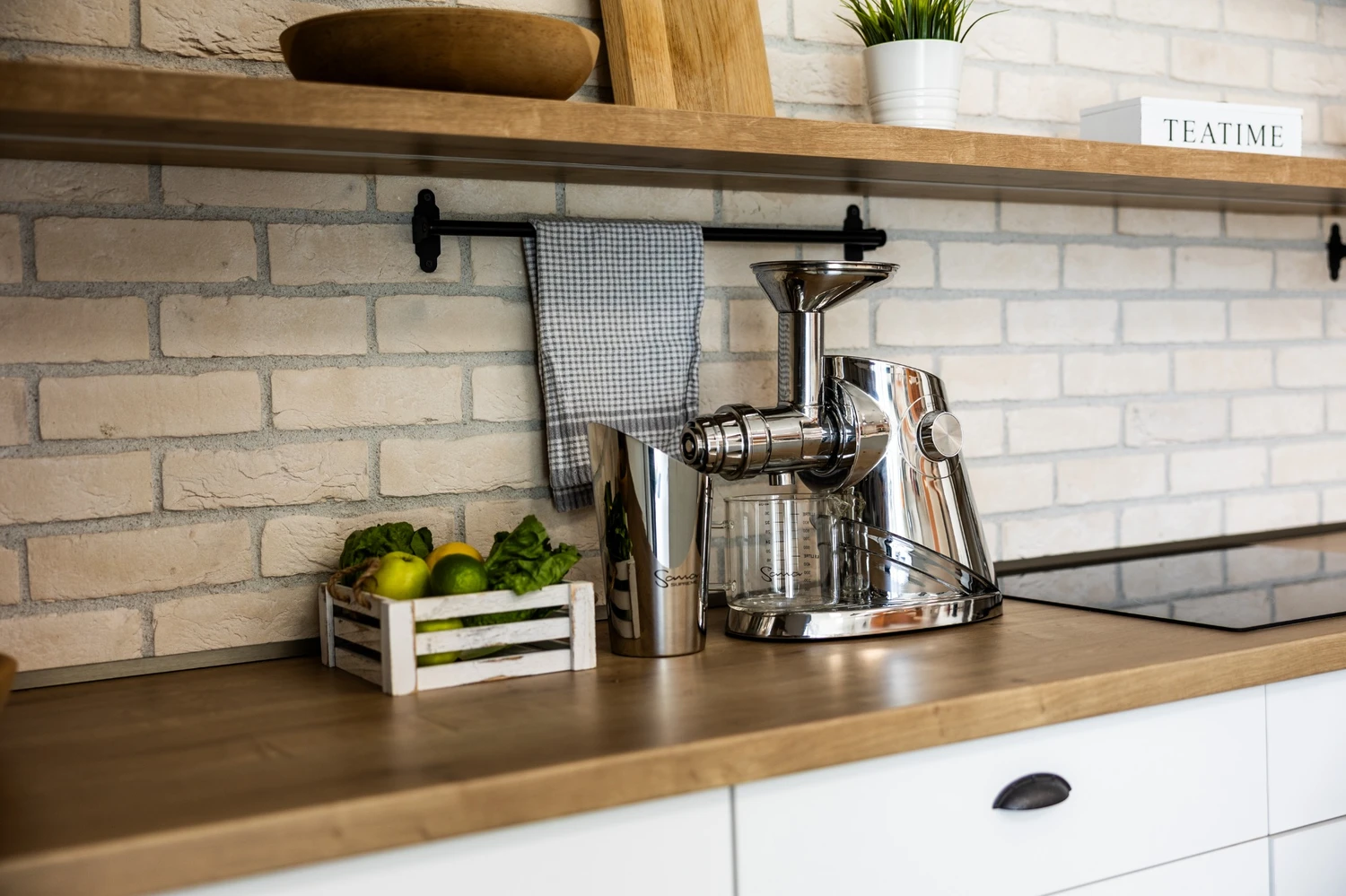
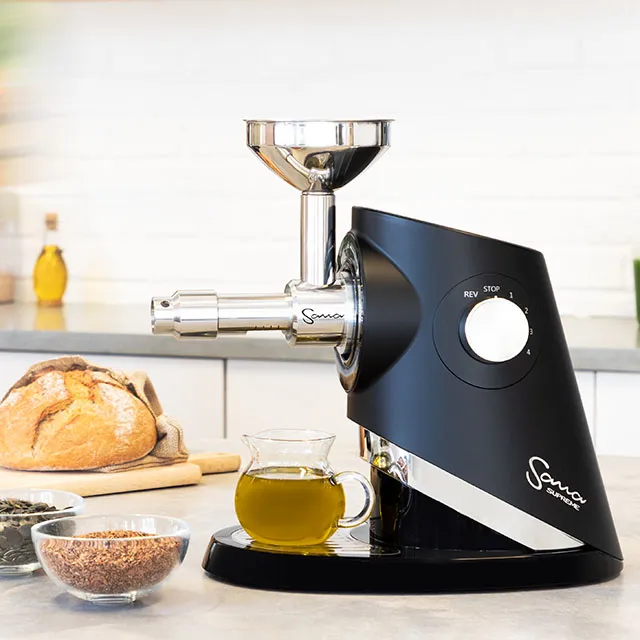
- Sana 727 Supreme. Our flagship. Its slowest setting, 40 rpm, is the one Sana gives for root vegetables and fibrous greens, and the pusher helps with larger pieces of carrot.
- Sana 707. The workhorse, at a single low speed of 63 to 75 rpm. Sana describes it as excellent with beetroot, carrot, ginger and turmeric. The manual notes that hard produce such as carrots and beets can make the machine shake a little more than soft fruit, which is normal; feed gradually.
- Sana 878. Hands-free, for bigger batches. Carrot-led juice suits it well when you are making a jug for the family. Cut carrots and beetroot small and mix them with other produce rather than filling the hopper with beetroot alone, since the manual warns that a load of very firm pieces can jam it.
Sana’s overview of the 929 Ultimate, its top horizontal model, shows carrot juice going through, followed by pineapple juice and cashew butter.
You’ll find more root-vegetable recipes in our carrot and beetroot juices collection.
Made with a Sana juicer


Sana 707 Juicer
R9899,00

Sana 727 Supreme Juicer
Price range: R12999,00 through R14999,00

Sana 878 Juicer
Original price was: R11999,00.R10399,00Current price is: R10399,00.Frequently asked questions
Do you need to peel carrots and beetroot for juicing?
Usually not. Scrub young carrots and beetroot under running water with a brush, then trim the top and root tail. Peel older roots with thick, woody or blemished skins, which taste bitter and juice poorly.
How many carrots make a glass of juice?
About 500 g of carrots, six to eight depending on size, gives 250 to 300 ml of juice. That is one large glass of straight carrot juice, or two glasses once you add oranges and ginger as in our carrot, orange and ginger recipe.
Can you juice cooked beetroot?
It doesn’t work well. Cooked beetroot is soft and turns into a purée in a slow juicer rather than giving juice. Use raw beetroot for juicing and keep cooked beetroot for salads.
Why is my urine pink after drinking beetroot juice?
Beetroot can turn urine pink or red, and the NHS notes that a lot of beetroot can make stools look as if they contain blood. It is the colour of the beetroot. If you aren’t sure, or it happens when you haven’t eaten beetroot, the NHS advises getting it checked.
Can carrot juice turn your skin orange?
Yes, if you drink a lot of it over time. Carrots are rich in beta-carotene, and a high intake can tint the skin yellow-orange. The US National Institutes of Health describes this as harmless, and it fades when you cut back.
Which Sana juicer is best for carrot and beetroot juice?
The horizontal models handle hard roots well. The Sana 727 has a 40 rpm setting for root vegetables, and the Sana 707 runs at a single low speed and copes well with beetroot, carrot and ginger. For larger carrot-led batches, the hands-free Sana 878 is the easier choice.
Sources
- Sana 727 Supreme user manual (English), Sana Products: preparing firm and root vegetables, cleaning. sanaproducts.com
- Sana 707 user manual (English), Sana Products: preparing beetroot and carrots, hard produce, cleaning. sanaproducts.com
- Sana 878 user manual, Sana Products: washing and cutting carrots and beets, firm produce. sanaproducts.com
- Sana 727 Supreme and Sana 707 product pages: speeds and suitable produce. sanastore.co.za · sanastore.co.za
- Siervo and colleagues, inorganic nitrate and beetroot juice supplementation and blood pressure, Journal of Nutrition (2013). eprints.ncl.ac.uk
- Senefeld and colleagues, dietary nitrate and exercise performance, Medicine and Science in Sports and Exercise (2020). pmc.ncbi.nlm.nih.gov
- Blood in urine, NHS. nhs.uk
- Bleeding from the bottom (rectal bleeding), NHS. nhs.uk
- Vitamin A and carotenoids fact sheet for health professionals, NIH Office of Dietary Supplements. ods.od.nih.gov
- Expert answer on juicing and whole produce, Mayo Clinic. mayoclinic.org