
Blog
How to Store Fresh-Milled Flour and Whole Grain in South Africa

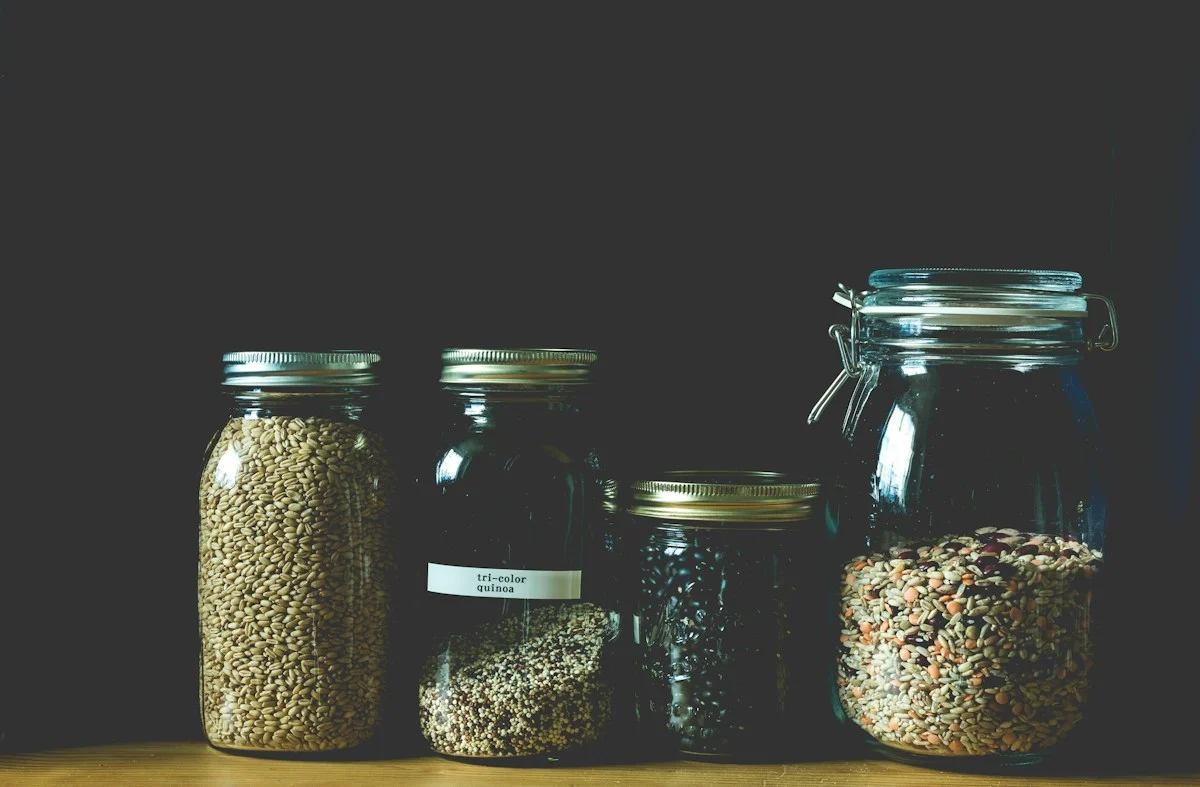
Short answer: store grain, not flour. Whole wheat berries kept dry, cool and sealed will still be good in two to five years, and plenty of home millers report no deterioration at all beyond that. Storing fresh-milled flour is the harder half of the job: it is at its best within a week or two, and the point of having a mill is that you stop keeping flour and start keeping grain. If you do need to mill ahead, seal the flour and put it in the freezer, where weeks become months.
The three things that spoil stored grain, in order of how much trouble they cause, are moisture, heat and insects. Get the moisture right and the other two become much easier.
On this page
- How long do wheat berries keep?
- Storing fresh-milled flour: how long does it keep?
- Is it better to freeze flour? What about grain?
- What container should I use?
- Do I need oxygen absorbers?
- How do I keep weevils out, and what if I already have them?
- Are these black bits in my grain a problem?
- Why does my fresh-milled flour taste bitter or overpowering?
- Where should grain live in a South African house?
- What about the bran you sift out?
- The whole thing in nine lines
- Frequently asked questions
- Mill what you need, when you need it
- Sources
How long do wheat berries keep?
Years, if they are dry. This is the part people underestimate.
Grain is a seed built to survive a dry season, and intact berries hold their own germ oil inside a sealed bran coat. Nothing is exposed to air until you mill it. Home millers who keep berries in gasket-sealed buckets in uncontrolled storage routinely report no detectable rancidity after two years or more, and the one consistent report of failure comes from grain that had been tempered with moisture before storage, which went mouldy inside a month.
So the number that matters is not the date on the bag. It is moisture content.
| Moisture content | What happens |
|---|---|
| About 12% | The target for storage. Dry enough to be stable for years |
| Below 13% | Safe in a sealed container in a cool place |
| 14% and up | Mould risk rises sharply, and insects breed faster |
| Visibly damp, or grain that has been wetted | Days to weeks, then mould |
Grain sold for milling in South Africa is normally within that band when you buy it, which is why most people never have to think about it. The way you create a moisture problem at home is by sealing grain into a container in a humid room, or storing it somewhere that swings between warm and cold so condensation forms inside the container.
Cool matters too. Below about 15 °C grain is comfortable and insects are sluggish. Above 25 °C everything speeds up: oils oxidise faster, and any insect already present completes its life cycle in weeks instead of months. A garage or a roof space in a Gauteng December is the wrong place for a 25 kg bag.
Storing fresh-milled flour: how long does it keep?
Not long, and this is the trade-off you accepted when you bought the mill.
The moment you mill, the germ oil is out of the bran coat and in contact with air. Oxidation starts immediately. There is no sudden spoiling point; the flour just drifts, slowly, from sweet and grassy toward flat, and then faintly stale. Whether flour should be rested before baking is a separate question, and EcoHub has been through that research in should you rest fresh-milled flour before baking?
| Storage | Keep it for | Notes |
|---|---|---|
| Sealed container, room temperature | A week or two at its best | Beyond that it is still usable, just duller |
| Fridge, sealed | A month or so | Easy, and worth doing for the flour you will use next week |
| Freezer, sealed and pressed flat | Several months | Best option if you must mill ahead |
Mill for the bake in front of you. Five minutes of milling is not the bottleneck in a process that takes eighteen hours. If you are milling 5 kg on a Saturday to save time, you are trading away the one thing the mill gave you.
If you do mill ahead, press the flour flat in the bag before sealing it, squeeze the air out, and freeze it. Flat bags freeze and thaw quickly and stack properly. A rigid container with a litre of air trapped above the flour does the oxidation for you.
Is it better to freeze flour? What about grain?
Flour: yes, if you are keeping it more than a week or two. Grain: only if you have the space to spare, or if you are dealing with insects.
Freezing grain does no harm and buys you certainty, and there is a side benefit some millers rely on: cold berries come out of the mill as cooler flour, which helps on a hot day. But grain stored dry and cool in a sealed bucket does not need a freezer, and 25 kg of wheat takes up more freezer space than most households can spare. Flour is the perishable half of the equation, and that is where limited freezer space does the most good.
One rule if you do freeze grain: let it come back to room temperature inside the sealed container before you open it. Cold grain in a warm kitchen pulls condensation out of the air onto every kernel, and damp grain is bad for the flour and worse for a stone mill. Thirty minutes in the closed bag or bucket is usually enough for a loaf’s worth.
Never put damp grain through a stone mill. Stones are porous, cannot be washed, and water in a stone is generally the end of it. Grain mill types explained covers dry cleaning and why water is the one mistake you cannot undo.
What container should I use?
Food-grade plastic buckets with gasket lids are the cheap, dull, correct answer, at R80 to R150 each from a packaging supplier.
| Container | Good for | Watch out for |
|---|---|---|
| 20-litre food-grade bucket, gasket lid | Bulk grain, 5 kg and up | Must be food-grade, not a reused paint bucket |
| Glass jars with rubber-sealed clip lids | Grain and flour in kitchen quantities | Heavy, and breakable on a tiled floor |
| Vacuum-sealed bags | Portioning bulk grain for the freezer | Bags puncture; double-bag anything with sharp chaff |
| Rigid freezer containers | Flour in the freezer | Some plastics go brittle at freezer temperatures |
| The woven poly bag it arrived in | Nothing | It breathes, which is fine in a warehouse and not in a Durban pantry in February |
A standard 20-litre bucket holds about 15.5 kg of wheat, because 1 kg of berries occupies roughly 1.3 litres. So a 25 kg bag needs two buckets and leaves you a third of the second one spare. EcoHub’s guide to how much grain you need has the full volume and yield tables.
Two details matter more than the container choice:
- Keep it off a concrete floor. Concrete wicks moisture upwards, and a bucket base sitting on a garage slab will sweat. A pallet, a plank or a shelf is enough.
- Label everything with the grain and the date. Hard red and hard white wheat look almost identical in a bucket and behave differently in a dough. You will not remember which is which in three months.
Do I need oxygen absorbers?
For normal household storage, no.
Oxygen absorbers are a long-term-preparedness tool. They are worth using if you are putting grain away for five or ten years in sealed mylar, and they add nothing to a 10 kg bag you will finish in three months. For grain used inside a year or two, a sealed food-grade container in a cool, dark place is the whole answer.
The worry you will see repeated on the forums is that absorbers should not go into plastic buckets because they draw in moisture. The mechanism being described is real but usually misattributed: an absorber removes oxygen, the container’s internal pressure drops, and a bucket that is not truly airtight then breathes moist room air back in. The fix is a proper airtight barrier, which means mylar inside the bucket, rather than avoiding absorbers. The simpler fix for a household is to skip the absorber and buy in quantities you will actually use.
How do I keep weevils out, and what if I already have them?
Assume insects arrive with the grain. Non-fumigated whole grain almost always carries some eggs, which is not a sign of a bad supplier. The eggs are inside the kernels and you cannot see or sieve them out.
Why you only notice a month later. Grain weevil larvae develop inside the kernel. Nothing is visible until the adult chews its way out through the seed coat, which is roughly a month after the egg was laid. So a bucket that looked perfect in January can have adults walking on the surface in February, and they came with the grain rather than through the lid.
Prevention
- Freeze new grain for three days before it goes into storage. Three days at −18 °C kills every life stage, eggs included. For bulk, split the bag and do it in batches as freezer space allows.
- Keep it cool. Weevils breed slowly below about 15 °C and barely at all under 10 °C.
- Seal it properly. A gasket lid keeps a new infestation out even if the cupboard next door has one.
- Keep the oldest grain in front and finish it before opening the next bag.
- Reach for the vacuum cleaner, not the bleach. Washing a shelf with detergent, bleach or disinfectant does nothing to these insects. Vacuuming out the cracks and corners does.
If you already have them
- Freeze what you want to keep, three days at −18 °C. Then sieve: the dead adults come out on a coarse sieve, and the grain is sound.
- Heat is the other option, since fifteen minutes at 60 °C has the same effect, but it takes the grain right up to the temperature we spend the rest of our time telling you to stay under. Freeze instead unless you have no choice.
- Look at the kernels before you commit. If they are riddled with exit holes and there is a drift of fine powder at the bottom of the bucket, the grain has been eaten and is not worth saving.
- Clean the container properly before refilling it, and if the infestation was bad, retire that bucket to garden duty.
- In flour, you cannot sieve them out. Mites in particular are about the size of a flour particle. Flour with insects in it goes out.
About load-shedding
A three-day freeze needs the freezer to hold −18 °C for three days. A full chest freezer kept shut rides out a few hours without trouble, but if your schedule is heavy, run the freeze over a stretch with light outages, keep the freezer full, and do not open it during the three days. If you cannot be confident of the temperature, extend it to four or five days rather than assuming three were enough.
Are these black bits in my grain a problem?
This came up on The Fresh Loaf in October 2026 and it comes up every harvest. Small dark objects in a bag of berries are usually one of three things, and they are not equally serious.
| What you see | What it probably is | What to do |
|---|---|---|
| Hard, dark seeds that do not crush, often in organic grain | Weed seeds. Cosmetic, no smell | Pick them out or ignore them |
| Dark balls that crush into a sooty powder, with a musty or fishy smell | Bunt, a fungal smut. This is the one that matters | Do not mill it. Take it back to the supplier |
| Loose dark specks, powder at the bottom, holes in kernels, webbing | Insect frass or dead insects | Freeze, sieve, then assess the kernels |
The smell test settles it quickly. Crush a few of the dark objects between your fingers. Weed seeds resist and smell of nothing. Bunt gives way into a dark powder with a musty, fishy note you will not mistake for grain.
A general habit worth building: tip each new bag out onto a tray in a thin layer and look at it before it goes into the bucket. It takes two minutes, and it is how you find chaff, stones, weed seed and damaged kernels before they are mixed through 15 kg.
Why does my fresh-milled flour taste bitter or overpowering?
Almost always the bran, and almost never bad storage. This surprises people who assume a strong flavour means something has gone off.
- Bran carries bitter compounds, and fresh-milled flour has all of it. Shop wholewheat has less bran, blended differently, and tastes blander. Your flour has not gone wrong. It tastes of more.
- Variety matters more than anything else. Hard red wheat is the most assertive. Hard white, Red Fife and Turkey Red are noticeably milder. Spelt and khorasan are mild and sweet. If a beginner finds fresh-milled flour overwhelming, the fastest fix is a different wheat, not a different technique.
- Rancidity tastes different. Oxidised germ oil reads as stale and flat, a bit like old nuts, rather than bitter and green. It takes weeks of warm storage to develop. If your flour is days old, bitterness is the bran.
- Two things bakers report helping, both from experience rather than from studies: soaking the whole-grain flour overnight in the recipe’s liquid, and adding a tablespoon or two of orange juice to the dough, which several bakers say takes the edge off bitterness without leaving any orange flavour.
The other half of the answer is to blend rather than brute-force it. Our first loaf with fresh-milled flour recipe starts at 70% fresh-milled and 30% white bread flour for exactly this reason, and most people work upward from there over a few months as their palate shifts.
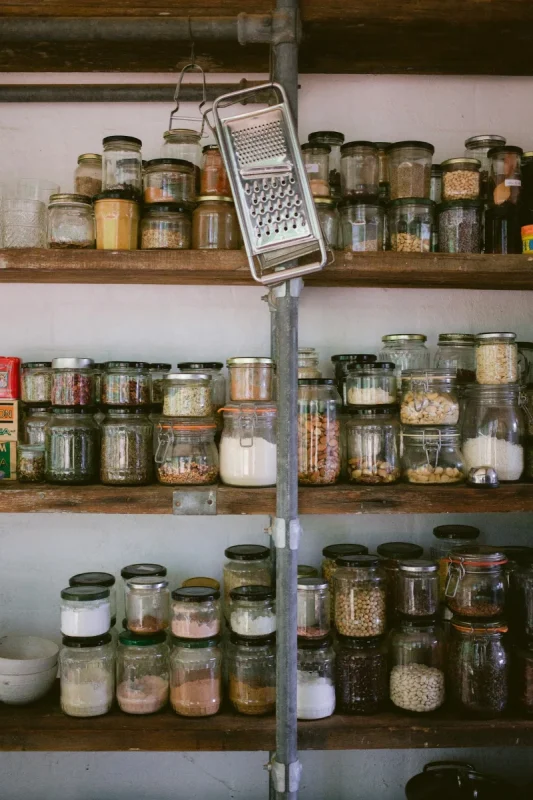
Where should grain live in a South African house?
The requirements are dark, dry, cool and stable. Ranked:
- An interior cupboard or pantry on an inside wall. Best option in almost every house.
- A spare room, or under a bed. Cooler than a kitchen, which is the hottest room you own.
- A basement or cool store room, if you have one, raised off the floor.
- A garage or outbuilding. Workable on the Highveld in winter, poor in a coastal summer, and the temperature swings are the real problem rather than the peak.
- A roof space. No.
Coastal humidity is the South African complication. In KwaZulu-Natal and along the Cape coast, summer relative humidity sits high for weeks at a time, and grain left in a breathing woven bag will take up moisture from the air. Sealed containers solve this completely, which is why the bucket matters more here than it does in Bloemfontein.
How much you can buy at once is usually decided by where you will put it. Our guide to where to buy grains for home milling in South Africa sets out who sells what, in which quantities, and who ships nationally.
What about the bran you sift out?
Treat sifted bran as more perishable than the flour, because it is the fraction carrying most of the oil. Keep it in the fridge in a sealed jar and use it inside a week or two, in porridge, muffins, crumpets, or dusting a proofing basket. If you sift often enough that bran accumulates faster than you use it, freeze it. Sifting itself, and what comes out at each mesh, is covered in converting your favourite recipes to fresh-milled flour.
The whole thing in nine lines
- Store grain, not flour. Berries keep for years; flour keeps for a week or two.
- Moisture is the controlling variable. Dry grain, around 12% moisture, is stable. Damp grain moulds in weeks.
- Cool beats cold. Under 15 °C is comfortable. A garage in December is not.
- Food-grade bucket, gasket lid, off the concrete, labelled with the grain and the date.
- Freeze new grain for three days at −18 °C before storage. It kills everything, eggs included.
- Oxygen absorbers are for multi-year storage, not for a bag you will finish this quarter.
- Let frozen grain warm up sealed before you open it, and never mill damp grain.
- Bitterness is the bran, not spoilage. Change the wheat before you change the method.
- Flour that has insects in it goes out. Grain that has insects in it can usually be saved.
Frequently asked questions
How long do wheat berries last in storage?
Years, provided they are dry. Grain at around 12% moisture, sealed in a food-grade container and kept cool and dark, is routinely sound after two years and often much longer. The failure mode is moisture, not time: grain that was damp when it went in can mould within a month, and grain stored somewhere that swings between hot and cold can form condensation inside the container.
How long does fresh-milled flour last?
It is at its best within a week or two at room temperature. The germ oil is exposed the moment you mill, so the flour drifts gradually from sweet and grassy toward flat and stale rather than spoiling at a fixed point. Sealed in the fridge it holds for about a month, and sealed and pressed flat in the freezer it holds for several months.
Should I store fresh-milled flour in the freezer?
Yes, if you are keeping it longer than a week or two. Press the flour flat in the bag, squeeze the air out and seal it, which both freezes faster and leaves less air to oxidise the oils. Rigid containers with a lot of trapped air above the flour are the worst option. Whole grain does not need freezer space in the same way, since dry berries are stable in a sealed bucket.
What is the best container for storing grain at home?
A 20-litre food-grade plastic bucket with a gasket lid, at R80 to R150 from a packaging supplier. It holds about 15.5 kg of wheat, so a 25 kg bag needs two. Glass jars with sealing clip lids work well in kitchen quantities. Do not leave grain in the woven poly bag it arrived in, because those bags breathe, and keep buckets off a concrete floor, which wicks moisture upwards.
Do I need oxygen absorbers to store wheat?
Not for normal household storage. They are worth using for multi-year storage in sealed mylar, and they add nothing to a bag you will finish within a year. If you do use them, they need an airtight barrier, because an absorber in a bucket that is not truly sealed lowers the internal pressure and draws moist room air back in.
How do I keep weevils out of my grain and flour?
Freeze new grain for three days at −18 °C before it goes into storage, which kills every life stage including the eggs already inside the kernels. Then keep it cool, sealed and dark, finish older grain before opening the next bag, and vacuum the shelf out rather than washing it, since detergent and bleach have no effect on these insects. Expect some eggs to arrive with any non-fumigated whole grain; it is not a sign of a bad supplier.
Can I still use grain that has weevils in it?
Usually yes. Freeze it for three days at −18 °C, then sieve out the dead adults on a coarse sieve and use the grain. If the kernels are riddled with exit holes and there is fine powder at the bottom of the container, the grain has been hollowed out and is not worth keeping. Flour with insects in it should be thrown away, because mites in particular are about the size of a flour particle and cannot be sieved out.
Should I let frozen wheat berries thaw before milling?
Let them come back to room temperature inside the sealed bag or bucket, which takes about thirty minutes for a loaf’s worth. Opening cold grain in a warm kitchen pulls condensation onto every kernel, and damp grain clogs and damages a stone mill, which cannot be washed. Grain that is merely cool rather than frozen is fine to mill and produces slightly cooler flour.
What are the small black bits in my wheat berries?
Usually one of three things. Hard dark seeds that do not crush and have no smell are weed seeds, which are cosmetic and common in organic grain. Dark balls that crush into a sooty powder with a musty or fishy smell are bunt, a fungal smut, and that grain should go back to the supplier rather than into the mill. Loose specks with powder at the bottom, holes in kernels or webbing point to insects, in which case freeze, sieve and then look at the kernels.
Why does my fresh-milled flour taste bitter?
Almost always the bran, which carries bitter compounds and which fresh-milled flour has all of. Shop wholewheat contains less bran and tastes blander. Wheat variety is the biggest lever: hard red is the most assertive, while hard white, Red Fife, Turkey Red, spelt and khorasan are milder. Rancid flour tastes stale and flat rather than bitter and takes weeks of warm storage to develop, so bitterness in days-old flour is not a storage problem.
Where should I store grain in a South African house?
An interior cupboard or pantry on an inside wall is the best option in most homes, followed by a spare room or under a bed. A garage is workable inland in winter but poor in a coastal summer, and a roof space is too hot. Coastal humidity in KwaZulu-Natal and along the Cape coast is the main local complication, and a sealed container solves it, which is why the bucket matters more there than it does inland.
Mill what you need, when you need it
Storing grain instead of flour only works if milling is quick enough to do on the day. Both Sana mills use 85 mm ceramic-corundum stones in a solid beechwood housing, are made in Austria, and carry a 12-year warranty.
- Sana Grain Mill: R10,999. 100 g/min, 850 g hopper. Five minutes for a loaf.
- Sana Grain Mill MAX 600W: R15,999 (was R18,999). 200 g/min, 1,200 g hopper.
- Flour Sifter Attachment: R4,495, if you want to separate bran and store the two fractions differently.
Imported, warranted, stocked and supported in South Africa, by a business trading since 2012. Prices correct at October 2026.
Sources
- Grain moisture and temperature for storage: University of Arkansas Cooperative Extension, on-farm wheat drying and storage. Farm-scale guidance, but the moisture and temperature thresholds are the same at household scale.
- Killing grain weevils, and why infestations show up a month later: Iowa State University Extension, rice weevil and granary weevil.
- Owner experience on grain longevity, containers, freezing and bitterness: Breadtopia forum threads Wheat Berry Question: Storage, Again, Storing Grain and milled flour and Why is WW flour bitter?; The Fresh Loaf thread Is fresh milled flour supposed to taste so overpowering?. The baker fixes for bitterness are experience rather than evidence and are described that way above.
