Blog
How to Get Your Family onto Whole-Grain Bread (Without a Fight)

Short answer. Start at 30% fresh-milled flour and 70% white bread flour, hold there for a fortnight, then move to 50%, then 70%, then 100%. Use hard white wheat rather than hard red, keep the loaf enriched with milk, butter and a little honey while you climb, and say nothing about it. Most households make the whole journey in about two months, and by the last step the bread has stopped being a topic of conversation.
That is the short version. The longer version is worth reading if you have already tried the direct swap, served a 100% wholemeal loaf to a quiet table, and watched the sandwiches come home again.
On this page
Why do children reject whole-grain bread?
Three separate objections, and they have different fixes. Lumping them together is why the direct swap usually fails.
The taste is bitter or grassy. This is the bran, and it is mostly about which wheat you bought rather than how you baked it. Hard red wheat, the default in most shops and from most South African suppliers, carries a stronger, more tannic flavour. Hard white wheat has the same protein and bakes the same way but tastes noticeably milder and slightly sweeter. Experienced millers on the baking forums say this over and over, and there is a study behind it: in a trial of 101 children aged two to six at the University of Idaho, the children reported liking hard white wheat bread significantly more than hard red (Worden, 2017).
The texture is heavy and dry. A real problem, not fussiness. Bran holds a lot of water and competes for it with the crumb, so a wholemeal loaf made to a white-bread recipe comes out tight and goes stale a day early. Enrichment fixes it: milk instead of water, a little fat, an egg in a roll dough.
It looks wrong. Hardest to argue with and easiest to solve. A dark brown slab next to a white loaf in a lunchbox is a visible difference. A roll is not. Changing the shape at the same time as the flour removes the comparison entirely, which is why this article’s recipe is rolls.
What is the fastest ratio to switch at?
Slower than you want. The ladder below is the one that holds.
| Stage | Fresh-milled wholemeal | White bread flour | Stay here for |
|---|---|---|---|
| 1 | 30% (150 g) | 70% (350 g) | 2 weeks |
| 2 | 50% (250 g) | 50% (250 g) | 2 to 3 weeks |
| 3 | 70% (350 g) | 30% (150 g) | 3 to 4 weeks |
| 4 | 100% (500 g) | none | from then on |
Figures are for a 500 g flour recipe, which is one tin loaf or twelve rolls.
Two rules make it work.
Move only when the current step is boring. If the bread is being eaten without comment, you can climb. If anyone is still commenting on it, you are not ready, and going up a step will cost you more time than waiting a week.
Never move two things at once. Change the ratio, or change the shape, or change the recipe. Not two in the same week. If something goes wrong you want to know what it was.
The Idaho study found the same thing from the other direction: repeated exposure produced significant differences in how much of a bread the children ate, across every bread tested. Familiarity is doing most of the work here, and familiarity takes weeks rather than days.
How long does the whole switch take?
Seven to nine weeks to arrive at 100%, if you follow the ladder and bake twice a week. You can do it faster with a household of adults. With children under about eight, the fortnight at each step is what makes it stick, and it is also the step most people cut short.
There is a well-documented account of this on The Fresh Loaf from a baker with five children who went straight to 50% fresh-milled with 50% shop bread flour. Three days later her husband said it tasted like the shop bread he was used to, and she moved up to 75%. One jump of that size works in some households. If it does not work in yours, drop back a step rather than giving up.
Which wheat should I buy for this?
Hard white wheat if you can get it. It is the mildest hard wheat and it bakes like any other bread wheat, so nothing in your method has to change.
Hard white is not always easy to find locally. Our guide to where to buy grains in South Africa lists the suppliers worth phoning, and most carry hard red as their standard line. If hard red is what you can buy, these are the levers that bring it closer to hard white:
- Sift a little of the coarse bran out. Taking out the biggest bran particles, somewhere around 90 to 92% extraction, lifts a surprising amount of the bitterness while leaving the germ and most of the bran in. The flour sifter attachment does this in one pass, and an ordinary kitchen sieve does a rougher version of the same job.
- Let the flour and liquid sit together before the yeast goes in. Fifteen to thirty minutes. The bran softens and the harsh edge drops.
- Mill it, then use it. Flour that has sat around for weeks picks up a flat, slightly stale note that children notice before adults do. Mill what the week needs, and store the grain rather than the flour.
Soft wheat is a different thing and not the answer here. It has too little protein to hold a loaf or a roll up. It belongs in muffins, pancakes and biscuits, where it is excellent.
The recipe: soft 50/50 lunchbox rolls
Twelve rolls, about 70 g each baked. Start to finish about three hours, of which maybe twenty-five minutes is work.
This is stage 2 of the ladder. To bake stage 1, use 150 g fresh-milled and 350 g white. For stage 3, 350 g and 150 g. For stage 4, 500 g fresh-milled and nothing else. Everything else stays the same at every stage except the liquid, which creeps up as the wholemeal share rises: add 10 g more milk per 100 g of extra wholemeal.
Ingredients
| Ingredient | Weight |
|---|---|
| Fresh-milled wholemeal flour | 250 g |
| White bread flour | 250 g |
| Full-cream milk, lukewarm | 340 g |
| Egg, large | 1 (about 50 g) |
| Soft butter | 40 g |
| Honey | 30 g |
| Fine salt | 9 g |
| Instant dry yeast | 7 g |
Beaten egg or milk to glaze, and sesame or poppy seeds on top if the household will tolerate them.
Method
1. Mill the flour, 3 minutes. 250 g of hard white (or hard red) wheat on the finest setting your mill will manage without labouring. On the 360 W mill that is about two and a half minutes; on the MAX, about half that. Let it cool for ten minutes before you use it, because warm flour pushes the rise faster than you expect. The finest-setting technique is covered properly over on EcoHub.
2. Mix and rest, 5 minutes then 20 minutes. Combine both flours, the yeast, the milk, the egg and the honey. Mix only until there is no dry flour left. Cover and walk away for twenty minutes. Hold back the salt and butter.
This rest is the most useful twenty minutes in the recipe. The bran finishes drinking, the dough slackens, and you stop yourself adding flour to a dough that was never too wet.
3. Knead, 8 minutes. Add the salt and the soft butter. The dough will come apart as the butter goes in and then come back together. Knead eight minutes by hand or five in a mixer on low. You want smooth and tacky, not sticky.
4. Bulk rise, 60 to 75 minutes. Covered, somewhere around 24 to 26 °C, until risen by about three quarters. A Highveld kitchen in July needs an oven with the light on, which sits at roughly 28 °C.
5. Shape, 10 minutes. Divide into twelve pieces of about 81 g. Roll each into a tight ball on an unfloured surface, cupping your hand over it and moving it in small circles until the surface goes smooth and taut. Place them on a lined tray in a 3 × 4 grid, about 2 cm apart, so they touch as they rise and tear apart softly afterwards.
6. Final proof, 40 to 50 minutes. Covered, until puffy and just touching their neighbours. Press one gently: the dent should fill back slowly over two or three seconds. Preheat to 190 °C.
7. Glaze and bake, 16 to 18 minutes. Brush with beaten egg or milk, scatter seeds if you are using them, and bake at 190 °C until deep golden. The centre of a middle roll should read 93 to 96 °C.
8. Cool, 20 minutes. Brush the tops with butter straight out of the oven for a soft crust. Twenty minutes on a rack is enough for a roll; a loaf needs two hours.
Keeping them
Two days in a bread bag at room temperature, and they freeze well. Bag them in fours the day they are baked, and take a bag out the night before. Never the fridge, which stales bread faster than the counter does.
What about the nutrition side?
Worth being straight about this. Moving a household from white bread to whole-grain bread raises fibre intake substantially, and fibre is the part of the diet most South African households are short on. The WHO’s 2023 carbohydrate guideline puts the adult target at at least 25 g of naturally occurring fibre a day, and bread is one of the easier places to find it.
What it does not do is turn bread into medicine. Fresh milling does not measurably change the way your blood sugar responds to a slice, and we have been through that evidence on EcoHub rather than repeat it here. South African bread flour and maize meal are also fortified by law with iron, zinc, folic acid and B vitamins, so a home-milled loaf is not automatically ahead on every micronutrient. It is ahead on fibre, on the germ, and on flavour.
If anyone in the household has diabetes, coeliac disease or a diagnosed deficiency, talk to a doctor or a dietitian about what bread should look like for them. That is a conversation about their situation, not about flour.
Where to go next
Once the household is eating 100% and not mentioning it:
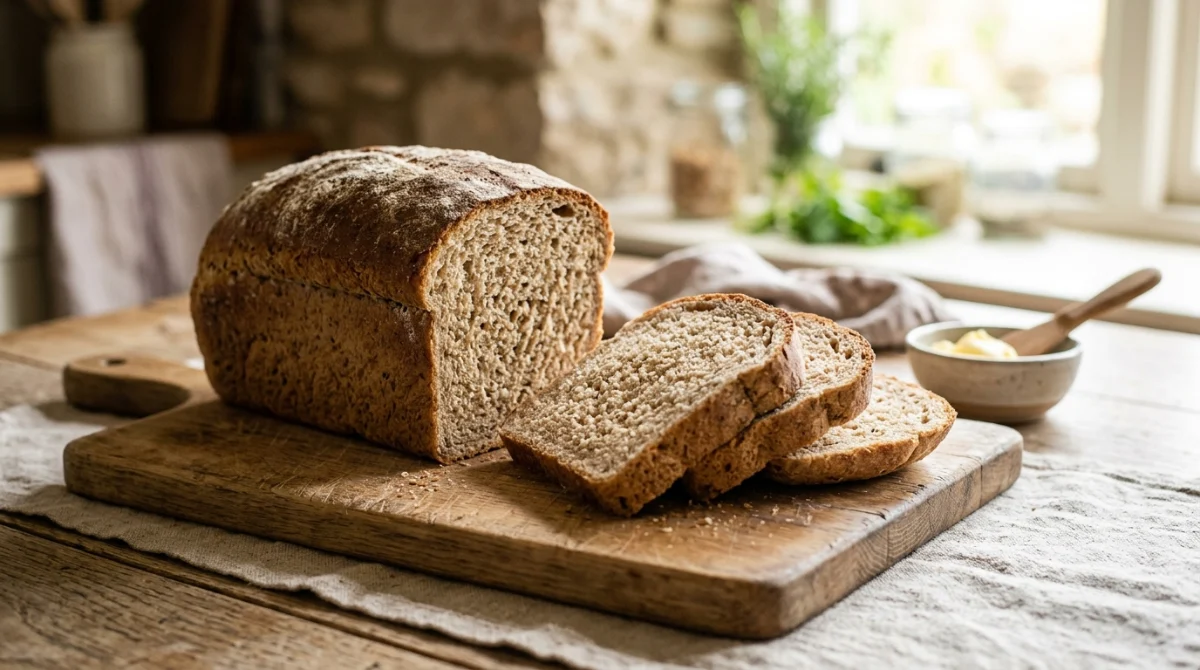
- The everyday fresh-milled sandwich loaf is the tin-loaf version of the same destination, using a scald to keep it soft for four days.
- The 70/30 first loaf is where to start if you want to move into sourdough.
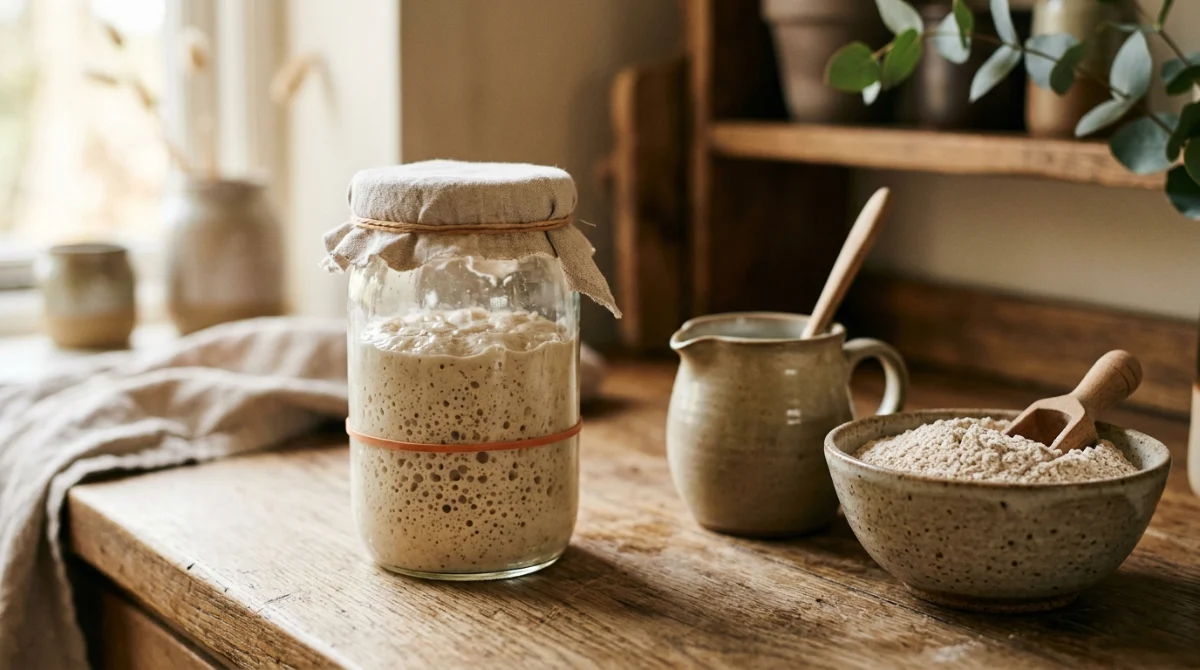
- The sourdough starter guide covers getting a starter going on fresh-milled flour, which takes five to seven days rather than three.
Soft 50/50 wholemeal lunchbox rolls with fresh-milled flour
Ingredients
Equipment
Method
- Mill. Mill 250 g of wheat on the finest setting the mill manages without labouring, and let the flour cool for ten minutes.
- Mix. Combine both flours, the yeast, the milk, the egg and the honey. Mix only until no dry flour remains. Hold back the salt and butter.
- Rest. Cover and rest for twenty minutes so the bran finishes absorbing water. Do not add flour during this time.
- Knead. Add the salt and soft butter. Knead eight minutes by hand or five minutes in a mixer on low, until smooth and tacky.
- Bulk rise. Cover and rise 60 to 75 minutes at 24 to 26 °C, until risen by about three quarters.
- Shape. Divide into twelve pieces of about 81 g and roll each into a tight ball. Place on a lined tray in a 3 by 4 grid, about 2 cm apart.
- Final proof. Cover and proof 40 to 50 minutes, until puffy and just touching. A gentle dent should fill back over two or three seconds. Preheat the oven to 190 °C.
- Bake. Glaze with beaten egg or milk, add seeds if using, and bake at 190 °C for 16 to 18 minutes until deep golden. The centre of a middle roll should read 93 to 96 °C.
- Cool. Brush the tops with butter for a soft crust and cool on a rack for twenty minutes before serving.
Notes
Made with a Sana grain mill
Every recipe in our grain mill recipe collection starts with flour milled at home on a Sana stone mill. Both models use 85 mm ceramic-corundum stones in a solid beechwood housing, are made in Austria and carry a 12-year warranty, with spares and support here in South Africa.


Sana Grain Mill
Original price was: R14800,00.R10999,00Current price is: R10999,00.

Sana Grain Mill MAX – 600W
Original price was: R18999,00.R15999,00Current price is: R15999,00.Frequently asked questions
How do I get my kids to eat whole grain bread?
Move in steps rather than all at once. Start at 30% fresh-milled flour with 70% white bread flour, hold for two weeks, then go to 50%, then 70%, then 100%. Use hard white wheat rather than hard red, because it tastes milder, and keep the dough enriched with milk, butter and a little honey while you climb. Change the shape at the same time, so there is no white loaf to compare against. Most households reach 100% in seven to nine weeks.
Why does whole wheat bread taste bitter to children?
The bitterness comes from the bran, and the wheat variety matters more than the recipe. Hard red wheat is more tannic and grassy; hard white wheat has the same baking properties but a milder, slightly sweeter flavour. In a University of Idaho study of 101 children aged two to six, the children reported liking hard white wheat bread significantly more than hard red. Sifting out the coarsest bran and resting the flour in the liquid for twenty minutes before adding yeast both soften the flavour further.
What is the best ratio of wholemeal to white flour for family bread?
Fifty-fifty is the ratio most households settle at comfortably, and it is a sensible target for the first month. It gives a soft, pale crumb that looks close enough to shop bread while carrying half the fibre of a full wholemeal loaf. Treat it as a staging post rather than a destination: once nobody comments on the 50/50 version, move to 70%.
Should I use hard white or hard red wheat for children?
Hard white, if your supplier stocks it. It is the mildest hard bread wheat and it behaves identically in the dough. If only hard red is available, sift out the coarsest bran at around 90% extraction, rest the flour and liquid together for twenty minutes before adding the yeast, and mill fresh rather than using flour that has been standing for weeks.
Can I use 100% fresh-milled flour in soft rolls?
Yes. Keep the enrichment, raise the milk by about 25 g over the 50/50 version, and expect a slightly smaller, denser roll. If you want a 100% wholemeal result that stays soft for several days, use a scald, which is the method in our everyday sandwich loaf recipe.
How long does the switch from white bread usually take?
Seven to nine weeks to reach 100%, if you bake twice a week and hold each step for two to three weeks. Households of adults can do it faster. The common mistake is climbing before the current step has become unremarkable, which usually means dropping back and losing more time than you saved.
Do I need to sift fresh-milled flour for children’s bread?
Not necessarily, but it helps during the transition. Taking out the coarsest bran, roughly 8 to 10% of the flour by weight, removes much of the bitterness and most of the heaviness while leaving the germ behind. Once the household has adjusted you can stop sifting and return the full bran.
Is home-milled bread healthier for children than shop bread?
It is higher in fibre and contains the germ, which commercial milling often removes. It is not better on every count: South African bread flour and maize meal are fortified by law with iron, zinc, folic acid and B vitamins, which home-milled flour is not. Fresh milling also does not change how a slice affects blood sugar. For a child with a specific medical condition or deficiency, ask a dietitian rather than changing the bread.
Why does my whole wheat dough feel dry at first and sticky later?
Bran absorbs water slowly. For the first ten minutes the dough feels stiff, and twenty minutes later the bran has finished hydrating and released some of that water, so the dough slackens. This is why the recipe rests for twenty minutes before kneading, and why you should not add flour to a fresh-milled dough in the first few minutes.
Mill it on a Sana
Sana mills are made in Austria. We import them into South Africa directly, so the warranty, the spares and the support all sit here rather than in Europe.
- Sana Grain Mill: 360 W, 100 g/min, 850 g hopper, 85 mm ceramic-corundum stones, beechwood housing. R10,999.
- Sana Grain Mill MAX: 600 W, 200 g/min, 1,200 g hopper. R15,999, down from R18,999.
- Flour Sifter Attachment: for taking the coarse bran out during the transition. R4,495.
Prices correct at October 2026. More in the home-milling library.
Sources
- Worden, S. J. (2017). Whole Grain Wheat Consumption in Young Children Can Increase Through Repeated Exposure and Use of Hard White Wheat. MSc thesis, University of Idaho. Children aged 2 to 6 (n = 101); liking of hard white wheat bread significantly higher than hard red; repeated exposure produced significant differences in intake across all breads tested.
- World Health Organization (2023). Carbohydrate intake for adults and children: WHO guideline. At least 25 g of naturally occurring dietary fibre a day for adults.
- South Africa, Department of Health. The 2003 regulations requiring fortification of wheat bread flour and maize meal with vitamin A, B vitamins, folic acid, iron and zinc.
- The Fresh Loaf: Need family friendly ideas using both my mill and my bread maker, Milling my own flour, newbie and Can a fluffy loaf be made from fresh milled with no sifting?