Blog
Green Juice Recipe: Celery, Ginger and Lemon, and Ways to Build on It


Short answer. The green juice recipe we come back to every week has three ingredients: a bunch of celery, a thumb of fresh ginger and half a lemon. It makes about 400 ml, enough for two small glasses, tastes clean and sharp rather than grassy, and contains almost no fruit sugar. Once you like it, build on it: kale diluted with cucumber or green apple, a handful of parsley, a few sprigs of mint, or a milder cucumber and apple version for anyone new to green juice. A horizontal slow juicer such as the Sana 727 or Sana 707 handles stringy celery and leafy greens best.
On this page
- Why celery, ginger and lemon make a good base
- The foundation green juice recipe
- Getting more juice from kale and other leafy greens
- Kale, cucumber and green apple juice
- More ways to build on the foundation juice
- Making green juice taste good
- Keeping the sugar down
- Drink it fresh
- Before you make it a daily habit
- Which Sana juicer suits green juice?
- Frequently asked questions
Why celery, ginger and lemon make a good base
Celery is mostly water, so a bunch gives plenty of juice with a mild, slightly salty flavour that carries other ingredients well. Ginger adds warmth and a bit of bite. Lemon sharpens everything and helps the juice keep its bright colour a little longer.
Just as useful is what isn’t in it. With no apple, pear or pineapple, the juice stays vegetable-led, and every addition shows up clearly against it.
The foundation green juice recipe
Cut the celery stalks into 3 to 4 cm lengths before you start. Long celery strings are the main cause of clogging in any slow juicer, and short pieces also juice more thoroughly. Keep a few of the leaves, but not all: they are more bitter than the stalks.
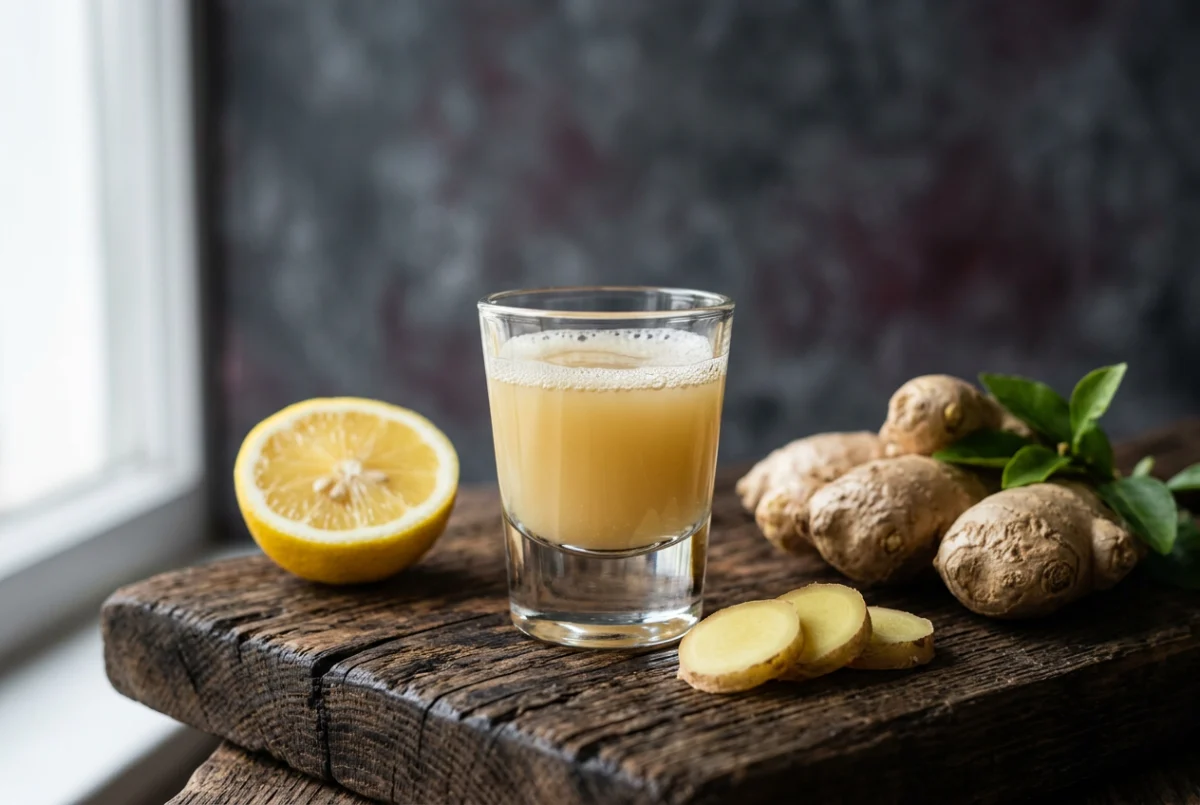
Slice the ginger into thin coins rather than feeding it as a lump, and peel the lemon, because the oil in the skin turns the juice bitter. Then feed the juicer alternately: a few pieces of celery, a slice of ginger, more celery, the lemon, and finish with celery so the last of the ginger is pushed through. On the 727, use the 40 rpm setting, which Sana describes as the one for root vegetables and fibrous greens. The 707 has a single low speed, so simply switch on and feed.
Sana’s own film shows celery going through the 727.
Celery, Ginger and Lemon Green Juice
Ingredients
Equipment
Method
- Wash the celery, trim the base and cut the stalks into 3 to 4 cm lengths. Keep a few leaves and set the rest aside for stock.
- Scrub the ginger and slice it into thin coins. Peel the lemon half and remove the pips.
- Fit the fine screen. On the Sana 727, set the speed to 40 rpm. The Sana 707 runs at one low speed.
- Feed the juicer alternately: a few pieces of celery, a slice of ginger, more celery, then the lemon. Let each handful clear before adding the next.
- Finish with the last of the celery to push the ginger and lemon through.
- Stir the juice and drink it straight away.
Notes
Getting more juice from kale and other leafy greens
The most common complaint about green juice is the yield from kale. People feed in several large leaves and get a tablespoon or two back. That is normal. Kale holds far less water than celery, and 100 g of leaves gives only about 30 to 50 ml of juice. You can still get noticeably more from it.
- Strip and shorten the stems. The thick central rib is tough and stringy. Pull the leaf away from it, then cut the rib into short lengths and feed those too.
- Roll the leaves. Roll a few leaves into a tight bundle. A dense roll gives the auger something to grip, where a flat leaf tends to slide around.
- Alternate with harder produce. Feed a bundle of kale, then a piece of celery, apple or cucumber. The firmer piece pushes the leaves along and presses them against the screen.
- Go slowly. Let each bundle clear before adding the next. On the 727, stay at 40 rpm and use the deep bowl on the hopper for loose leaves.

Horizontal juicers handle this well. The auger lies flat and works the produce along the screen, so long fibres from celery and kale stems are pressed out rather than wound up. The Sana 707 also comes with a celery insert as standard, which creates a tighter seal inside the drum cap for stringy produce.
Kale, cucumber and green apple juice
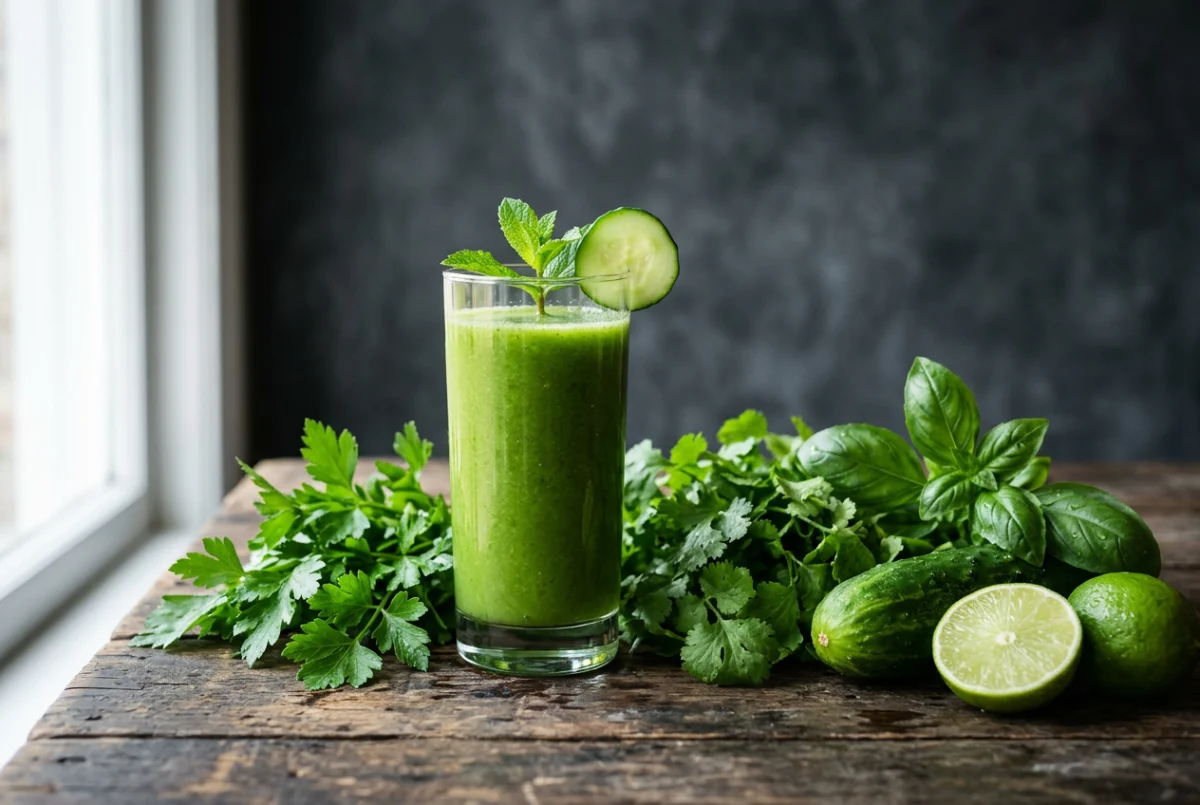
Kale is strong, and a glass of pure kale juice is hard going for most people. Diluted with cucumber, celery and one green apple, it becomes a juice you will want to drink again. The apple is the only sweet ingredient, shared across two glasses.
Kale, Cucumber and Green Apple Juice
Ingredients
Equipment
Method
- Strip the kale leaves from their thick central ribs. Cut the ribs into 3 to 4 cm lengths and roll the leaves into two or three tight bundles.
- Cut the celery into 3 to 4 cm lengths.
- Fit the fine screen. On the Sana 727, set the speed to 40 rpm.
- Feed a bundle of kale, then a piece of apple or cucumber to push it through. Repeat, adding the celery, kale ribs, ginger and lemon between the harder pieces.
- Finish with cucumber to carry the last of the juice out of the drum.
- Stir and drink straight away.
Notes
More ways to build on the foundation juice
- Spinach. Milder and softer than kale, and it gives more juice per handful. The catch is oxalate: spinach is high in it, and a small number of medical case reports describe kidney damage in people drinking large amounts of spinach-heavy juice every day. Kale is much lower in oxalate, so it is our everyday green, and spinach is for now and then.
- Parsley. A small handful, stems and all, adds a fresh, peppery note. It is strong, so start with a little.
- Mint. A few sprigs fed between pieces of celery make the base taste cooler, which is welcome on a hot December morning.
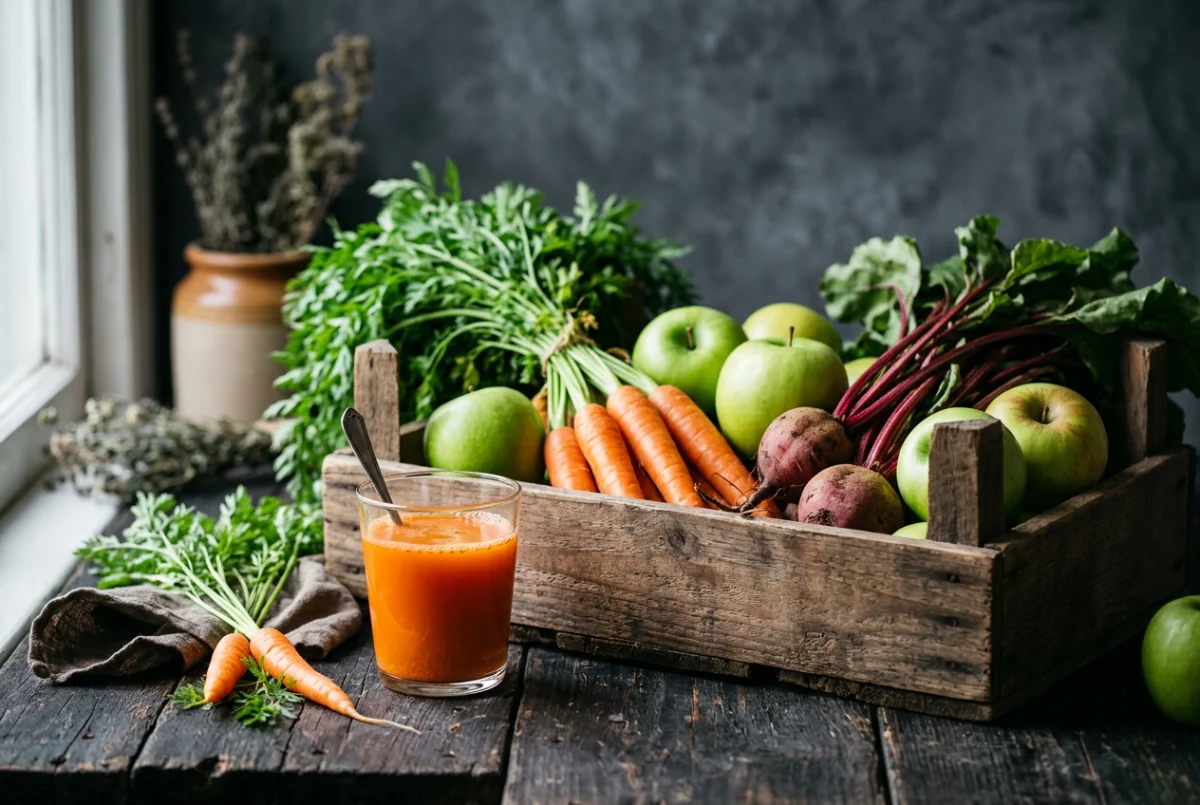
- Cucumber and green apple, for beginners. Replace half the celery with a cucumber and add one cored green apple. It is milder and slightly sweeter, and a good first green juice for anyone new to them.
Making green juice taste good
Most green juice that tastes “too green” is short of acid or too heavy on leaves.
- Add more lemon. If a juice tastes flat or muddy, a squeeze of lemon is usually the answer.
- Use cucumber to soften bitterness. It adds volume and a cool, clean flavour without sweetness.
- Choose a tart apple. If you add apple, a Granny Smith gives brightness without too much sugar. One is enough.
- Go easy on leaves and stems. Celery leaves, kale ribs and parsley stems all add bitterness. Increase them gradually.
- Start cold. Produce straight from the fridge makes a juice that tastes fresher, with no need for ice.
Keeping the sugar down
Juicing removes most of the fibre from produce, which is one reason to keep fruit to a minimum. The NHS counts fruit juice as one of your five a day only up to 150 ml a day, and notes that even unsweetened fruit juice is sugary. Green juice built on celery, cucumber and leafy greens sidesteps most of that. Our rule of thumb is no more than one piece of fruit per two glasses, with the vegetables doing the bulk of the work. Juice isn’t a replacement for eating whole vegetables, but a glass of this adds to your daily vegetable intake.
Drink it fresh
Green juice is at its best within a few minutes of making it. It separates as it stands and the flavour fades over a few hours. If you need to keep some, fill a glass bottle right to the top, seal it, refrigerate it and drink it within a day.
Home-made juice isn’t pasteurised. The US Food and Drug Administration advises extra care with unpasteurised juice for young children, older adults, pregnant women and anyone with a weakened immune system, so wash produce well and drink the juice the day you make it.
Before you make it a daily habit
Kale, spinach and parsley are all good sources of vitamin K, which affects how warfarin works. People on warfarin are usually advised to keep their vitamin K intake steady rather than avoid greens, so a daily green juice is a change worth discussing first. Juices are also high in potassium, and celery contains a fair amount of sodium. If you take warfarin or other regular medication, have kidney stones or kidney disease, have a thyroid condition or follow a salt-restricted diet, check with your doctor before making green juice part of your routine.
Which Sana juicer suits green juice?
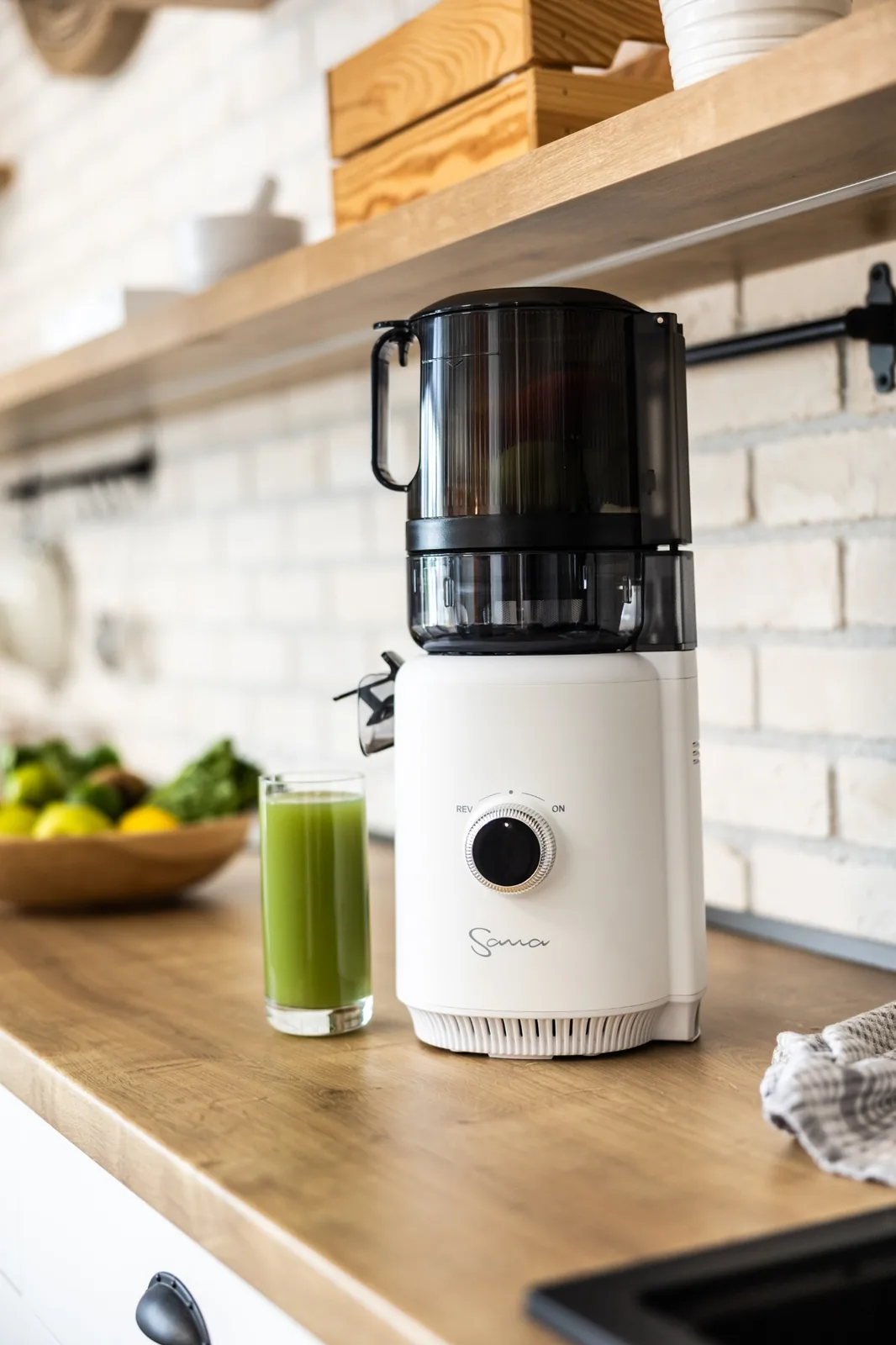
For greens, celery and ginger, a horizontal slow juicer is the right tool: more juice per kilo, less foam and less heat than a fast spinning juicer.
- Sana 727 Supreme. Our flagship, with four speeds from 40 to 120 rpm. The slowest setting is the one for fibrous greens, and the deep bowl on the hopper takes loose leaves.
- Sana 707. The workhorse. It runs at a single low speed of 63 to 75 rpm and comes with the celery insert in the box.
The hands-free Sana 878 is better kept for fruit-led juice and bigger batches. Sana’s overview of the 727 shows how it goes together.
For more ideas, browse the rest of our recipes.
Made with a Sana juicer


Sana 707 Juicer
R9899,00

Sana 727 Supreme Juicer
Price range: R12999,00 through R14999,00

Frequently asked questions
Why do I get so little juice from kale?
Kale contains much less water than celery or cucumber, so 100 g of leaves gives only about 30 to 50 ml of juice. Rolling the leaves into tight bundles, feeding them alternately with celery, apple or cucumber, cutting the stems short and juicing slowly all help. A horizontal slow juicer copes best with the long fibres.
Is kale or spinach better for green juice?
We prefer kale for everyday juice. Spinach is milder and gives more juice, but it is high in oxalate, and a few medical case reports link large daily amounts of spinach-heavy juice to kidney damage. Kale is much lower in oxalate. Dilute either with cucumber, celery or green apple.
How do I make green juice taste less bitter?
Add more lemon, use cucumber for volume, and go easy on celery leaves, kale ribs and parsley stems, which carry most of the bitterness. A single tart green apple across two glasses softens the flavour without adding much sugar. Cold produce also makes the juice taste fresher.
Can I make green juice the night before?
It is best fresh, because it separates and loses flavour as it stands. If you must make it ahead, fill a glass bottle to the top, seal it, refrigerate it and drink it within a day.
Does raw kale juice affect the thyroid?
Kale belongs to the cabbage family, which contains compounds that can affect the thyroid in large amounts. A 2016 review in Nutrition Reviews found that common kale is low in these compounds and unlikely to be a problem in normal amounts, but the effect of drinking very large amounts of raw brassica juice every day hasn’t been well studied. Kale as one of several ingredients, as in the recipes here, is a modest amount.
Which Sana juicer is best for green juice?
A horizontal model. The Sana 727 is our flagship, with four speeds, including 40 rpm for fibrous greens, and a deep hopper bowl for leaves. The Sana 707 is the workhorse, with a single low speed and a celery insert in the box. The hands-free 878 is better suited to fruit-led juice and larger batches.
Sources
- Sana 727 Supreme user manual (English), Sana Products: preparing fibrous produce. sanaproducts.com
- Sana 707 user manual (English), Sana Products: cutting fibrous stalks. sanaproducts.com
- Vitamin K fact sheet for health professionals, NIH Office of Dietary Supplements. ods.od.nih.gov
- Expert answer on juicing and whole produce, Mayo Clinic. mayoclinic.org
- 5 A Day: what counts?, NHS. nhs.uk
- Oxalate nephropathy case report, Case Reports in Nephrology (2022). doaj.org
- Felker, Bunch and Leung, review of brassica vegetables and thyroid risk, Nutrition Reviews (2016). escholarship.org
- Potassium and kidney disease, Kidney Care UK. kidney.org.uk
- Talking about juice safety, US Food and Drug Administration. fda.gov