Blog
Fruit and Vegetable Purées for Babies, Made in a Sana Juicer

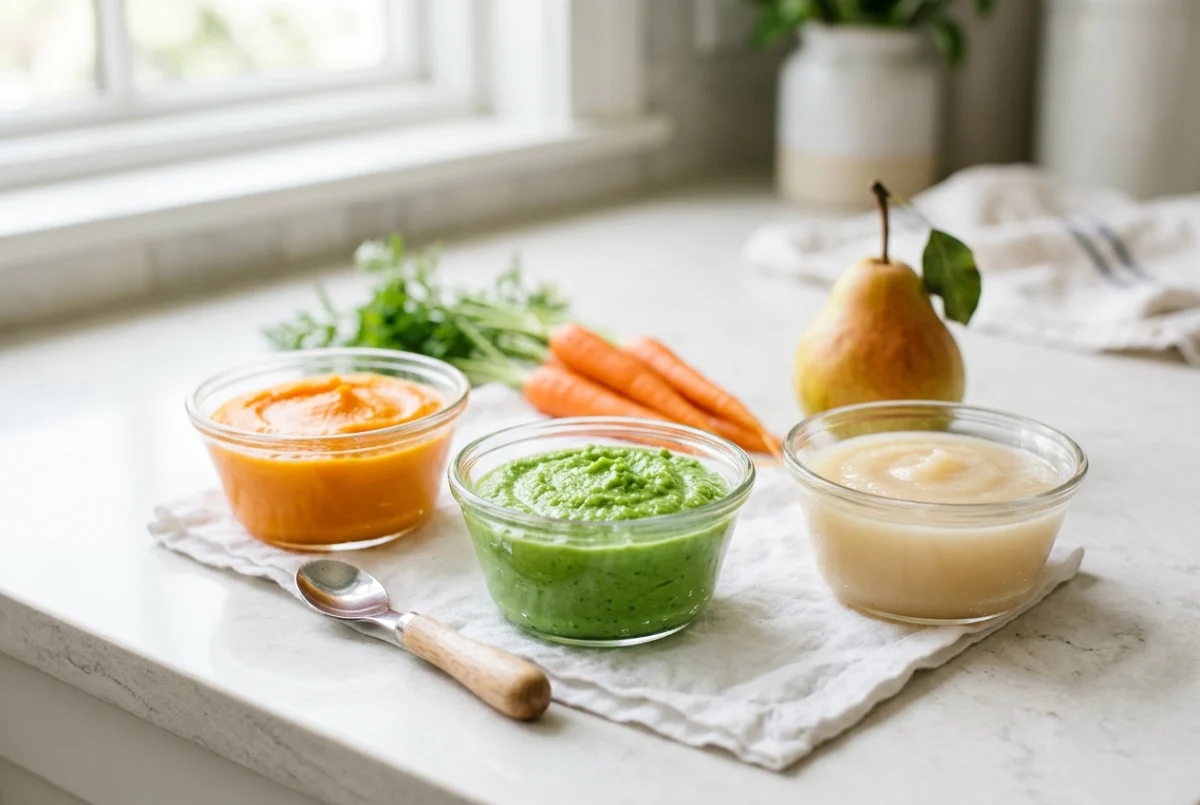
Short answer. You can make smooth homemade baby food on a Sana 707, 727 or 929 by fitting the homogenising (blank) screen and feeding cooked, cooled vegetables or soft fruit through it. Steam butternut, sweet potato or carrot until very soft, stew firm fruit such as apple and pear, let everything cool, then press it into a purée and freeze spare portions in ice-cube trays. The NHS advises starting solids at around 6 months, with no added salt or sugar and no honey before 12 months. Check with your clinic or doctor before you start.
On this page
- Which Sana juicers make baby food?
- Before you start: what the NHS advises
- Why this isn’t juice for babies
- How to make homemade baby food in a Sana juicer
- Pear and apple purée
- Avocado and banana mash
- Other combinations to try
- Storing, freezing and reheating
- Keeping the juicer clean for baby food
- Frequently asked questions
Which Sana juicers make baby food?
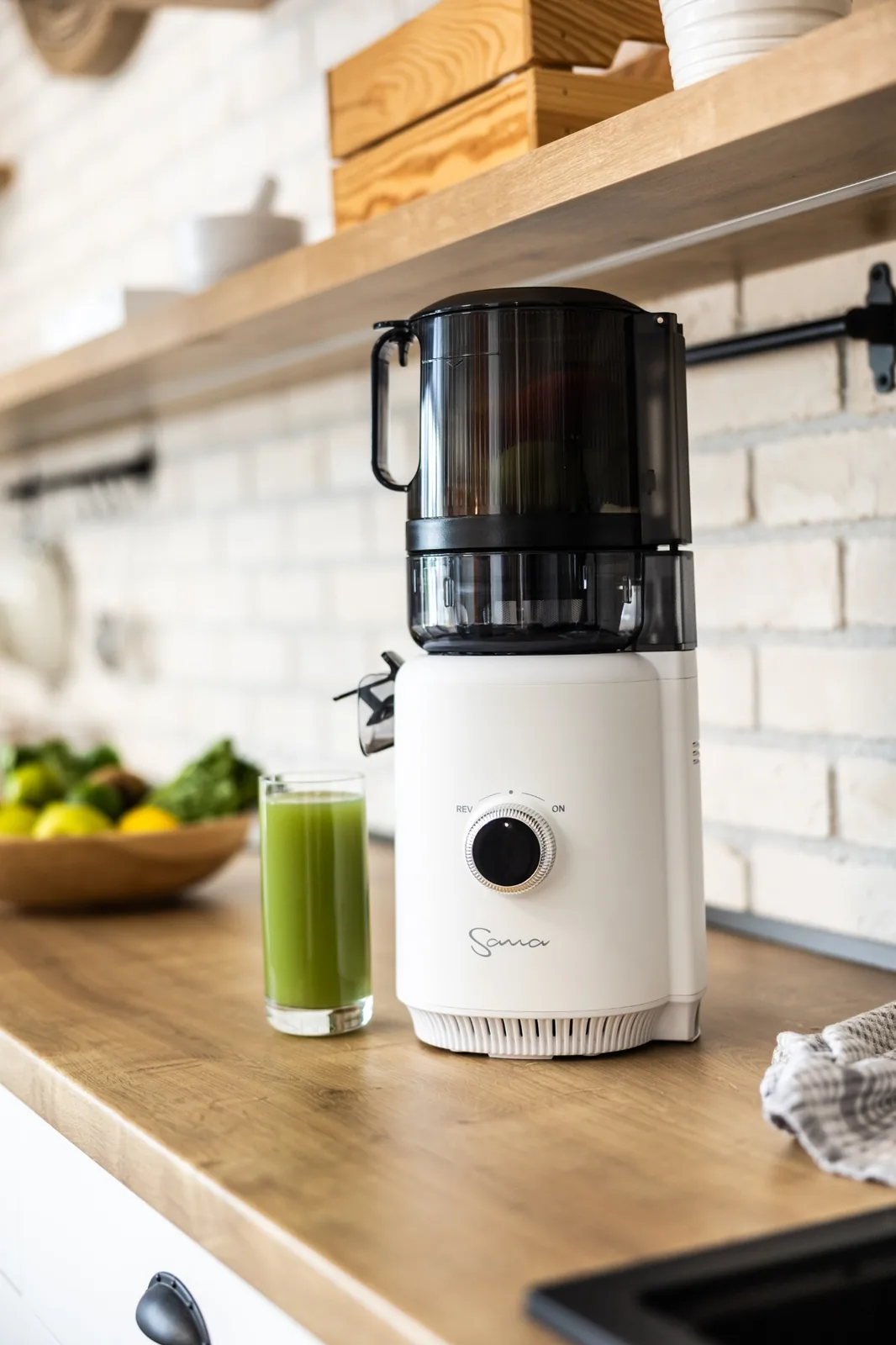
Baby food uses the homogenising screen, which has no holes. Instead of separating juice from pulp, the auger presses everything together and pushes a smooth purée out of the end of the drum. Only the horizontal models list it.
| Sana model | Baby food | What the sources say |
|---|---|---|
| Sana 707 | Yes, homogenising screen | Our product page lists baby food. EU Juicers lists baby food from cooked vegetables, and the 707 manual describes soft food for babies made from pre-cooked ingredients |
| Sana 727 Supreme | Yes, homogenising screen | Our product page lists baby food among the screen’s uses |
| Sana 929 Ultimate | Yes, stainless homogenising screen | Our product page lists baby food |
| Sana 878 | No | Its blank screen is for sorbet |
| Sana 818 | No | Juice only |
Replacement homogenising screens for the 707 and 727 are sold separately if yours has gone missing.
Before you start: what the NHS advises
We sell juicers, not medical advice, so this section follows the UK’s NHS weaning guidance. Your clinic sister or doctor knows your baby, so check with them before you start, and especially if your baby was premature or has any health condition.
- Around 6 months. The NHS advises waiting until your baby is around 6 months old, even if a jar or pouch says “from 4 months”. Signs of readiness include sitting up and holding their head steady, coordinating eyes, hands and mouth, and swallowing food rather than pushing it back out.
- Vegetables first. The NHS suggests starting with vegetables that aren’t so sweet, such as broccoli and cauliflower, then adding fruit. Harder fruits should be cooked first.
- Purées are only the start. The NHS encourages moving on to mashed and finger foods as soon as your baby is ready, and offering lumpy textures from around 6 to 7 months. Smooth purées are a first step, not the whole plan.
- No salt, no sugar. Don’t add salt to baby food or cooking water, and don’t use stock cubes, which are often high in salt. Babies don’t need added sugar either.
- No honey before 12 months. Honey can occasionally contain bacteria that cause infant botulism, so the NHS says not to give it until your baby is over 1 year old.
- Nuts and allergies. If there is a history of allergies in your family, the NHS advises talking to your doctor before introducing nuts. If you also use your juicer for nut butter, clean it thoroughly before making baby food.
Why this isn’t juice for babies
A juicer can make purée, but juice is a different thing. The NHS advises avoiding fruit juice and smoothies for children aged 4 and under, because of the natural sugar they contain, while eating whole fruit is fine. NI Direct puts it plainly: there is no need to give your baby fruit juice. So for babies, use the juicer only with the homogenising screen fitted. Nothing is separated out, and the whole fruit or vegetable goes into the bowl. For older children, our family fruit juice post covers sensible portions.
How to make homemade baby food in a Sana juicer
- Wash and prepare. Wash your hands, then peel, deseed and chop the vegetables or fruit. Make sure the juicer parts are clean and dry.
- Cook until very soft. Steam or simmer vegetables until a knife slides through with no resistance. Stew apples and pears in a splash of water.
- Cool first. Let the food cool before it goes into the juicer: the 727 manual asks you not to expose the juicer to high temperatures. To cool it quickly, spread it in a shallow dish. The NHS advises cooling cooked baby food within 1 to 2 hours, then refrigerating or freezing it.
- Press. Fit the homogenising screen and feed the food in a little at a time, with a bowl under the end of the drum. The 707 manual suggests feeding pre-cooked ingredients in turns, which keeps the purée moving. Put a small bowl under the juice outlet too, and stir anything that collects there back in.
- Adjust the texture. Loosen with a spoon of the cooking water or your baby’s usual milk. Press it through a second time for an extra-smooth first purée.
Butternut and Carrot Purée
Ingredients
Equipment
Method
- Wash your hands and make sure the juicer parts are clean and dry.
- Steam the butternut and carrot for 15 to 20 minutes, until a knife slides through easily. Keep a little of the cooking water. Add no salt.
- Spread the vegetables in a shallow dish and let them cool. Don’t put hot food into the juicer.
- Fit the homogenising screen, with a bowl under the end of the drum and a small bowl under the juice outlet.
- Feed the butternut and carrot in turns, a little at a time.
- Stir in anything from the juice outlet. Loosen with cooking water or milk to the texture your baby is used to. Press again for an extra-smooth purée.
- Cover and refrigerate what you’ll use within 2 days.
- Spoon the rest into an ice-cube tray, freeze, then move the cubes to a labelled, dated freezer bag.
- Defrost in the fridge, reheat once until steaming hot, stir, cool and check the temperature before serving.
Notes
Pear and apple purée
Firm fruit needs cooking first, so these are stewed briefly until soft. Sana itself shares apple baby food as a recipe idea, and pear softens the flavour. Use sweet, ripe fruit and you won’t miss added sugar.
Pear and Apple Purée
Ingredients
Equipment
Method
- Put the fruit and water in a small pan, cover and simmer gently for 8 to 10 minutes, stirring once, until completely soft. Add no sugar.
- Tip into a shallow dish and let it cool.
- Fit the homogenising screen, with a bowl under the end of the drum and a small bowl under the juice outlet.
- Feed the fruit through slowly and stir in anything from the juice outlet.
- Refrigerate for up to 2 days, or freeze in an ice-cube tray and move the cubes to a labelled, dated freezer bag.
Notes
Avocado and banana mash
No cooking at all. Ripe avocado and banana are soft enough to mash with a fork, and that thicker, slightly lumpy texture is what the NHS suggests moving towards. For a smoother version, press them through the homogenising screen. Make it just before serving: avocado browns quickly and doesn’t freeze well.
Avocado and Banana Mash
Ingredients
Equipment
Method
- Wash your hands. For a thicker texture, mash the avocado and banana together with a fork until mostly smooth with a few soft lumps.
- For a smoother mash, feed the avocado and banana through the homogenising screen and stir together.
- Serve straight away. Avocado browns quickly, so make this fresh rather than storing it.
Notes
Other combinations to try
- Broccoli or cauliflower on its own. Good first tastes, in line with the NHS advice to start with less sweet vegetables. Steam until very soft.
- Sweet potato and carrot. Naturally sweet and a lovely orange colour.
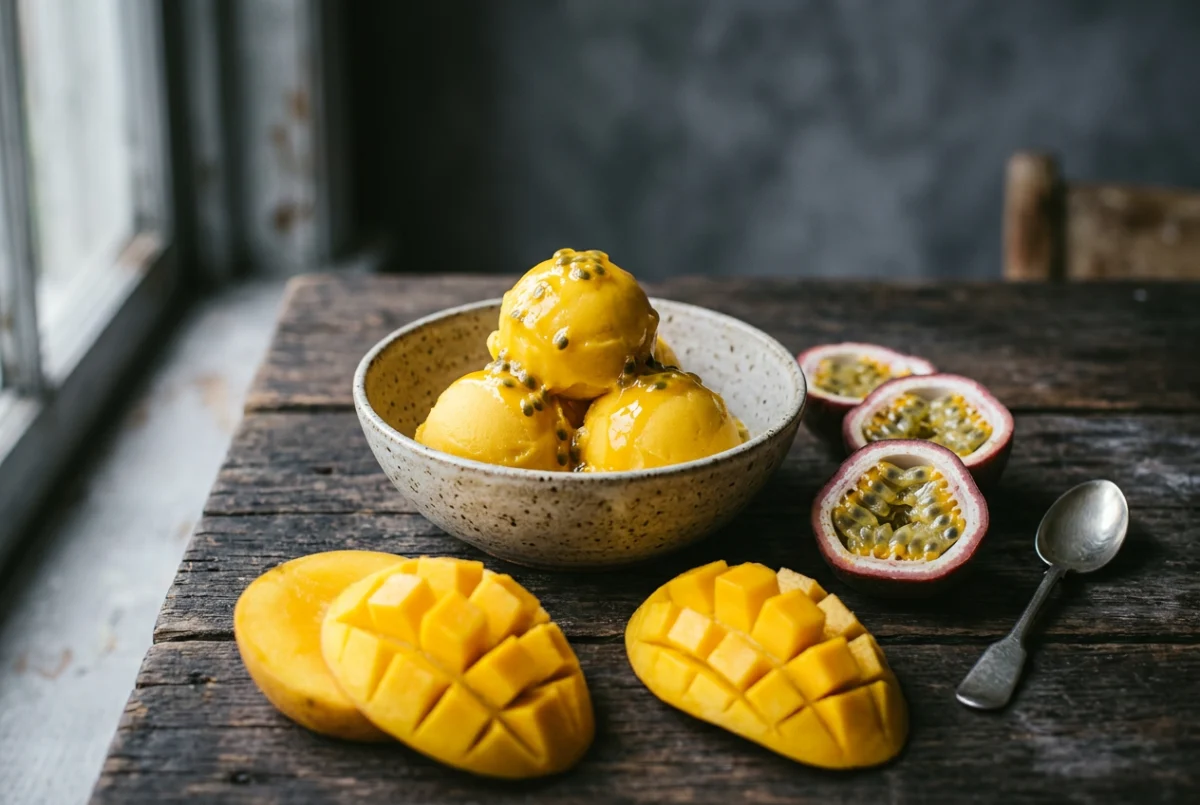
- Mango. Ripe mango needs no cooking. Remove the stone and peel first: the 727 manual asks for pits to be taken out before processing.
- Butternut and pear. A gentle mix of a vegetable your baby already knows with a new fruit.
Storing, freezing and reheating
Batch cooking is where the juicer saves the most time. The NHS weaning pages suggest ice-cube trays for freezing small portions.
- Fridge. Cover cooled purée and use it within 2 days, as the NHS advises.
- Freezer. Spoon purée into clean ice-cube trays, freeze, then pop the cubes into a labelled, dated freezer bag. The NHS doesn’t give a freezer time on its storage page, so follow your clinic’s guidance on how long to keep frozen portions.
- Defrosting. Defrost in the fridge, never at room temperature, or on your microwave’s defrost setting. Once defrosted, use within 24 hours.
- Reheating. Heat until steaming hot all the way through, stir well, then let it cool and check the temperature before feeding. Reheat only once, and throw away anything left in a bowl your baby has eaten from.
Keeping the juicer clean for baby food
Take the juicer apart and clean it straight after use, then let every part dry completely. The 707 manual allows warm soapy water; the 727 manual says no dishwashing liquid and no hot water, so rinse well and use the brush on the screen. Our guide to cleaning a Sana juicer covers each model step by step.
Made with a Sana juicer


Sana 707 Juicer
R9899,00

Sana 727 Supreme Juicer
Price range: R12999,00 through R14999,00

Frequently asked questions
Can I make baby food in a Sana juicer?
Yes, on the Sana 707, 727 and 929, using the homogenising (blank) screen. Our product pages list baby food for all three. The hands-free 878 and the 818 aren’t designed for it.
When can my baby start eating purées?
The NHS advises starting solid food at around 6 months, when your baby can sit up and hold their head steady, coordinate eyes, hands and mouth, and swallow food. Check with your clinic or doctor before you start.
Do I need to cook vegetables before putting them through the juicer?
Yes, for baby food. Steam or simmer vegetables such as butternut, sweet potato and carrot until very soft, and stew firm fruit like apples and pears. Let everything cool before it goes into the juicer.
Can I give my baby fresh juice from the juicer?
The NHS advises avoiding fruit juice and smoothies for children aged 4 and under because of their natural sugar, and says whole fruit is fine. Babies don’t need juice. Use the homogenising screen so the whole fruit or vegetable ends up in the purée.
Can I add salt, sugar or honey?
No. The NHS advises no added salt or sugar in baby food and no honey until your baby is over 1 year old, because honey can occasionally cause infant botulism.
How long does homemade baby food keep?
The NHS advises using refrigerated baby food within 2 days and eating defrosted food within 24 hours. Freeze spare purée in ice-cube trays, label it with the date, and follow your clinic’s guidance on how long to keep frozen portions.
Sources
- How to start weaning your baby, NHS: around 6 months, signs of readiness, no added sugar or salt, ice-cube trays. nhs.uk
- What to feed your baby from around 6 months, NHS: first vegetables, cooking harder fruit, moving to mashed and lumpy textures. nhs.uk
- Foods to avoid giving babies and young children, NHS: salt, sugar, fruit juice, honey, nuts. nhs.uk
- Storing and reheating food, NHS: cooling, fridge, defrosting and reheating. nhs.uk
- Drinks for babies, NI Direct. nidirect.gov.uk
- Sana 707, 727 Supreme and 929 Ultimate product pages, SanaStore: homogenising screen uses including baby food. sanastore.co.za
- Sana juicer EUJ-707, EU Juicers: baby food from cooked vegetables. eujuicers.com
- Sana 707 user manual (English), Sana Products: soft food for babies from pre-cooked ingredients, cleaning. sanaproducts.com
- Sana 727 Supreme user manual (English), Sana Products: high temperatures, pits, cleaning. sanaproducts.com