Blog
Mild green juices for beginners: three that don’t taste too green

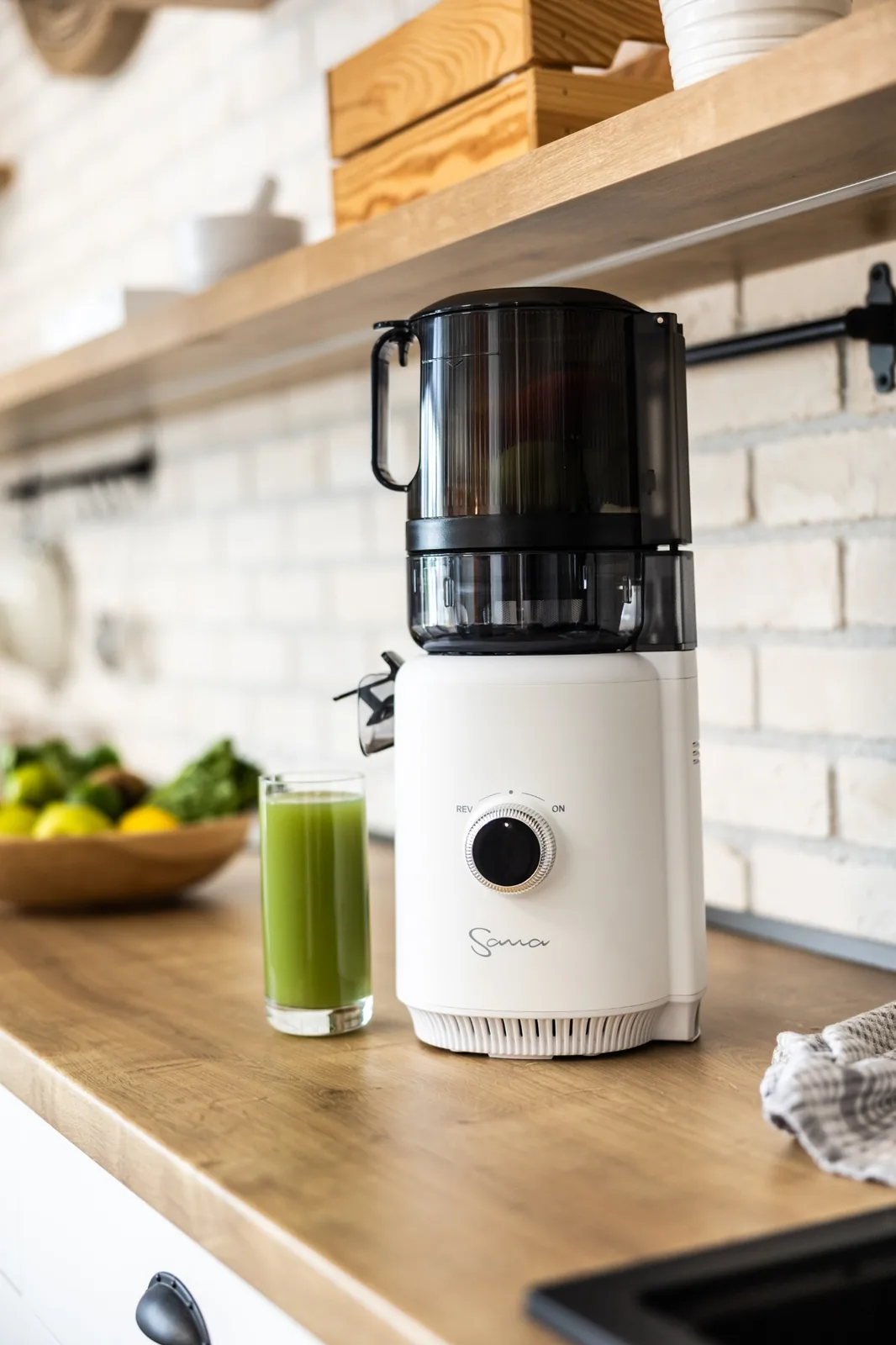
Short answer. A good green juice for beginners starts with the mildest greens: cucumber, cos lettuce and a small handful of spinach, with one sweet fruit such as a pear, a green apple or some pineapple, and a squeeze of lemon or lime. Those ingredients give a pale, fresh, slightly sweet juice that tastes nothing like cut grass. Leave kale, parsley, wheatgrass and celery leaves for later, and move towards them a step at a time. Our three starter recipes are cucumber, pear and spinach; pineapple, cos and cucumber with mint; and green apple, cos and celery with lime.
On this page
- Why some green juice tastes “too green”
- The mildest greens to start with
- Cucumber, pear and spinach
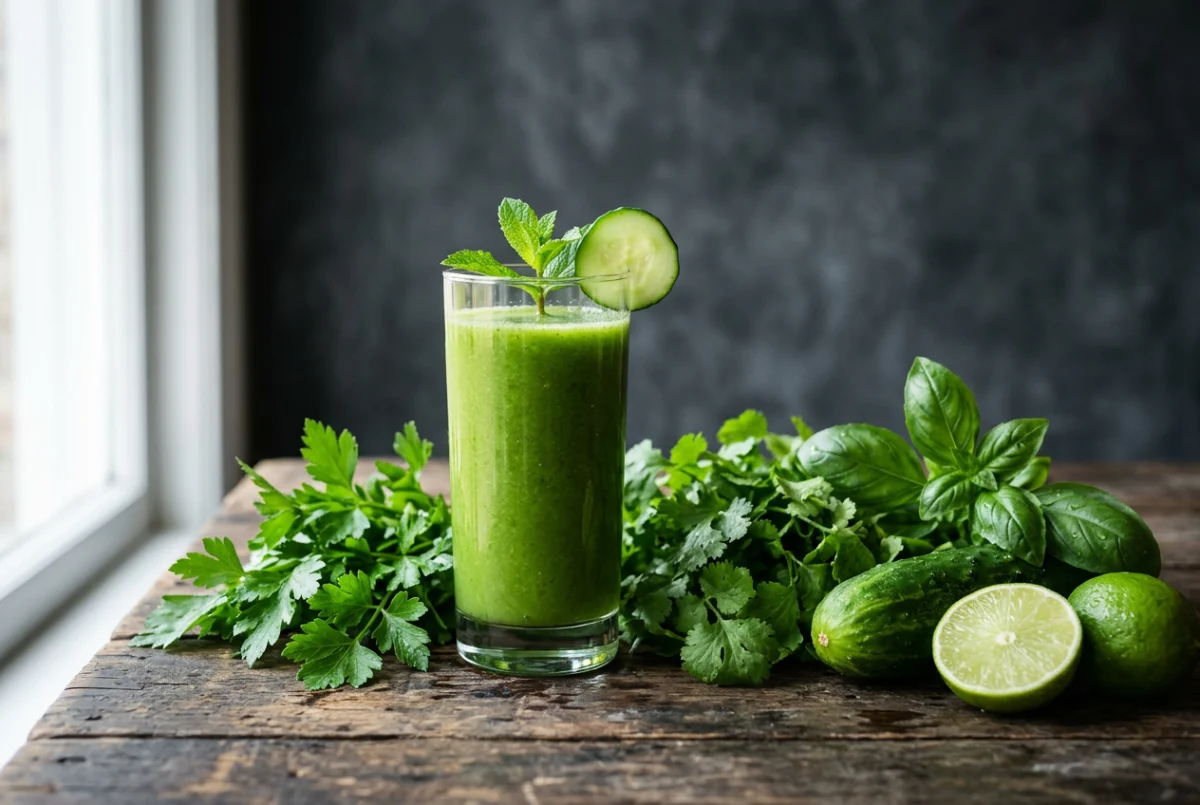
- Pineapple, cos and cucumber with mint
- Green apple, cos and celery with lime
- How to step up to stronger greens
- Feeding soft leaves through the juicer
- Which Sana suits a first green juice?
- Before you make it a habit
- Frequently asked questions
Why some green juice tastes “too green”
The grassy, bitter taste most people dislike comes from a few specific things: strong leaves such as kale and parsley, the bitter stems and ribs of those leaves, celery leaves, and too little acid to lift the flavour. A juice that is mostly dark leaves will taste that way however good your juicer is.
A mild green juice turns that around. Most of the glass is cucumber, cos lettuce or celery stalk, all watery and gentle. A small amount of a darker leaf adds colour, one piece of fruit adds sweetness, and lemon or lime keeps it bright.
Our foundation green juice (celery, ginger and lemon) is where we hope you end up, and that post has the full list of fixes for a juice that tastes flat or bitter. The recipes here are the gentle way in.
The mildest greens to start with
| Green | Taste in juice | How much for two glasses | Good to know |
|---|---|---|---|
| Cucumber | Cool, clean, barely sweet | One whole cucumber | Gives plenty of juice and the best base for any beginner green |
| Cos lettuce | Fresh and mild, slightly sweet | Half a head | Very watery, so it juices easily |
| Spinach | Soft, a little earthy | A small handful, about 40 g | Keep it small: it is high in oxalate |
| Celery stalks | Fresh, slightly salty | Three or four stalks | Cut into 3 to 4 cm lengths; leave the leaves out at first |
| Mint | Cool and sweet-smelling | A few leaves | Use it to make any green taste fresher |
| Kale, parsley, watercress | Strong, peppery or bitter | Save for later | The next step once you like the milder juices |
Cucumber, pear and spinach
This is the gentlest green juice we make. Cucumber gives volume, a firm pear brings a soft, rounded sweetness that is less sharp than apple, and a small handful of spinach turns it a fresh green without much taste of leaves. Lemon finishes it.
Choose a pear that is ripe but still firm. A soft, grainy pear tends to turn to purée in the juicer rather than giving clear juice.
Cucumber, pear and spinach juice
Ingredients
Equipment
Method
- Cut the cucumber into long wedges. Core the pear, remove the pips and cut it into wedges. Peel the lemon half and remove the pips.
- Roll the spinach into two or three tight bundles.
- Fit the fine screen. On the Sana 727, set the speed to 40 rpm. On the Sana 818 or 878, put the spinach at the bottom of the hopper, then the cucumber, lemon and pear on top.
- On a horizontal juicer, feed a bundle of spinach, then a wedge of cucumber or pear to push it through. Repeat, adding the lemon between them.
- Finish with cucumber to carry the last of the juice out.
- Stir and drink straight away.
Notes
Pineapple, cos and cucumber with mint
Pineapple is the quickest way to make greens taste sweet and tropical. Its sweetness and tang cover almost anything, so this is the one to try on someone who says they hate green juice. Cos lettuce and cucumber stretch it out, and a few mint leaves make it taste cooler still.
Pineapple, cos and cucumber juice with mint
Ingredients
Equipment
Method
- Peel the pineapple and cut it into chunks. Cut the cucumber into long wedges. Peel the lime half and remove the pips.
- Roll the cos leaves into two or three tight bundles, tucking the mint leaves inside.
- Fit the fine screen. On the Sana 727, set the speed to 40 rpm. On the Sana 818 or 878, cut the cos into pieces of about 3 cm and put it and the mint at the bottom of the hopper, with the pineapple, lime and cucumber on top.
- On a horizontal juicer, feed a bundle of cos, then a wedge of cucumber, then a few chunks of pineapple. Repeat, adding the lime between them.
- Finish with cucumber to carry the last of the juice out.
- Stir and drink straight away.
Notes
Pineapple is soft and juicy, so alternate it with cucumber and the rolled cos leaves. The firmer pieces push the pineapple through, and the pineapple helps carry the lettuce.
Green apple, cos and celery with lime
Once the first two taste good to you, this is the stepping stone towards a vegetable-led green juice. A tart green apple and lime keep it bright, cos and cucumber keep it mild, and four stalks of celery give it the fresh, slightly savoury edge you’ll find in our foundation recipe.
Green apple, cos and celery juice with lime
Ingredients
Equipment
Method
- Cut the celery into 3 to 4 cm lengths. Core the apple, remove the pips and cut it into wedges. Cut the cucumber into wedges. Peel the lime half and remove the pips.
- Roll the cos leaves into two or three tight bundles.
- Fit the fine screen. On the Sana 727, set the speed to 40 rpm. On the Sana 818 or 878, cut the cos and celery into pieces of about 3 cm and put them at the bottom of the hopper, with the cucumber, lime and apple on top.
- On a horizontal juicer, feed a few pieces of celery, a bundle of cos, then a wedge of apple or cucumber. Repeat, adding the lime between them.
- Finish with cucumber or apple to carry the last of the juice out.
- Stir and drink straight away.
Notes
How to step up to stronger greens
Taste changes quickly once you drink green juice regularly. A juice that tastes faintly green in your first week can taste sweet a month later. When that happens, move one step at a time:
- Cut the fruit by half. Use half a pear or half an apple, and add more cucumber in its place.
- Add more celery. Work up to half a bunch, still cut into short lengths, with a few leaves.
- Swap some spinach for kale. Start with one or two leaves, stripped from the rib and rolled tightly. Kale is stronger but much lower in oxalate, which is why we prefer it as an everyday green.
- Add herbs. A small handful of parsley or a few sprigs of mint. Our fresh herbs in juice post has the amounts.
- Try the foundation juice. Celery, ginger and lemon, with no fruit at all.
Feeding soft leaves through the juicer
Cos and spinach are light, so roll them into tight bundles and feed each one with a firm piece of cucumber, pear or apple behind it, letting each handful clear before the next. On the Sana 727, use 40 rpm; the Sana 707 runs at a single low speed. Our foundation post covers getting more juice from leafy greens in detail.
Which Sana suits a first green juice?
These recipes are fruit-softened and fairly gentle, so every Sana makes them, but the machines handle the leaves differently.
- Horizontal juicers, the Sana 707 and Sana 727. The best choice if green juice is your main reason for buying. You feed the leaves by hand, rolled and alternated with firmer pieces, and the horizontal auger presses them thoroughly. When you move on to kale, celery and herbs, they are the right tool.
- Hands-free juicers, the Sana 818 and Sana 878. Good for fruit-led green juice made in a batch. Both manuals ask you to cut leafy greens into pieces of about 3 cm and put soft, leafy produce at the bottom of the hopper with firmer produce such as apple on top. The 818 manual notes that leafy produce is fibrous and can catch on the auger, so keep the greens to a share of the hopper rather than a full load.
If you’re still choosing, our guide to which Sana juicer suits you compares them.
Before you make it a habit
Each of these recipes has one piece of fruit per two glasses or close to it, which keeps the sugar modest, and juice loses most of the fibre of whole produce, so count a glass as part of your daily vegetables rather than a replacement for eating them. Spinach is high in oxalate and leafy greens are rich in vitamin K, which affects warfarin. If you take warfarin or other regular medication, or have kidney stones or kidney disease, read our guide to juicing and your health and check with your doctor first. Home-made juice isn’t pasteurised, so drink it the day you make it.
Made with a Sana juicer


Sana 878 Juicer
Original price was: R11999,00.R10399,00Current price is: R10399,00.

Sana 818 Juicer
Original price was: R6999,00.R5499,00Current price is: R5499,00.

Sana 707 Juicer
R9899,00Frequently asked questions
What is the best green juice for beginners?
One built mostly on cucumber and cos lettuce, with a small handful of spinach, one sweet fruit such as a pear, green apple or some pineapple, and lemon or lime. It tastes fresh and mild. Kale, parsley and celery leaves can come later.
How do I make green juice taste less grassy?
Use fewer dark leaves and more cucumber, cos lettuce or celery stalk, leave out stems, ribs and celery leaves, add lemon or lime, and include one piece of sweet fruit such as pear, apple or pineapple. Cold produce also makes the juice taste fresher.
Can you juice lettuce?
Yes. Cos lettuce is very watery and gives a mild, fresh juice. Roll the leaves into a tight bundle and feed them between firmer pieces such as cucumber or apple, so the auger has something to grip.
Is spinach good for green juice?
Spinach is mild and makes a good beginner green in small amounts. It is high in oxalate, though, so we use a small handful rather than a lot, and move to kale, which is much lower in oxalate, for everyday green juice.
Can a hands-free juicer make green juice?
Yes, for fruit-led green juice. On the Sana 818 and 878, cut leafy greens into pieces of about 3 cm and put them at the bottom of the hopper with firmer produce on top. For leaf-heavy green juice, a horizontal juicer such as the Sana 707 or 727 is the better choice.
How much fruit should go in a green juice?
We keep it to about one piece of fruit per two glasses. Pear, green apple or a chunk of pineapple is enough to soften the taste of the greens without turning it into fruit juice.
Sources
- Sana 818 user manual, Sana Products: leaf and stem vegetables, loading the hopper. sanaproducts.com
- Sana 878 user manual, Sana Products: cutting leafy greens, loading the hopper. sanaproducts.com
- Sana 727 Supreme user manual (English), Sana Products: preparing fibrous produce. sanaproducts.com
- Vitamin K fact sheet for health professionals, NIH Office of Dietary Supplements. ods.od.nih.gov
- Oxalate nephropathy case report, Case Reports in Nephrology (2022). doaj.org
- 5 A Day: what counts?, NHS. nhs.uk
- Talking about juice safety, US Food and Drug Administration. fda.gov