Blog
Juicing on a budget in South Africa

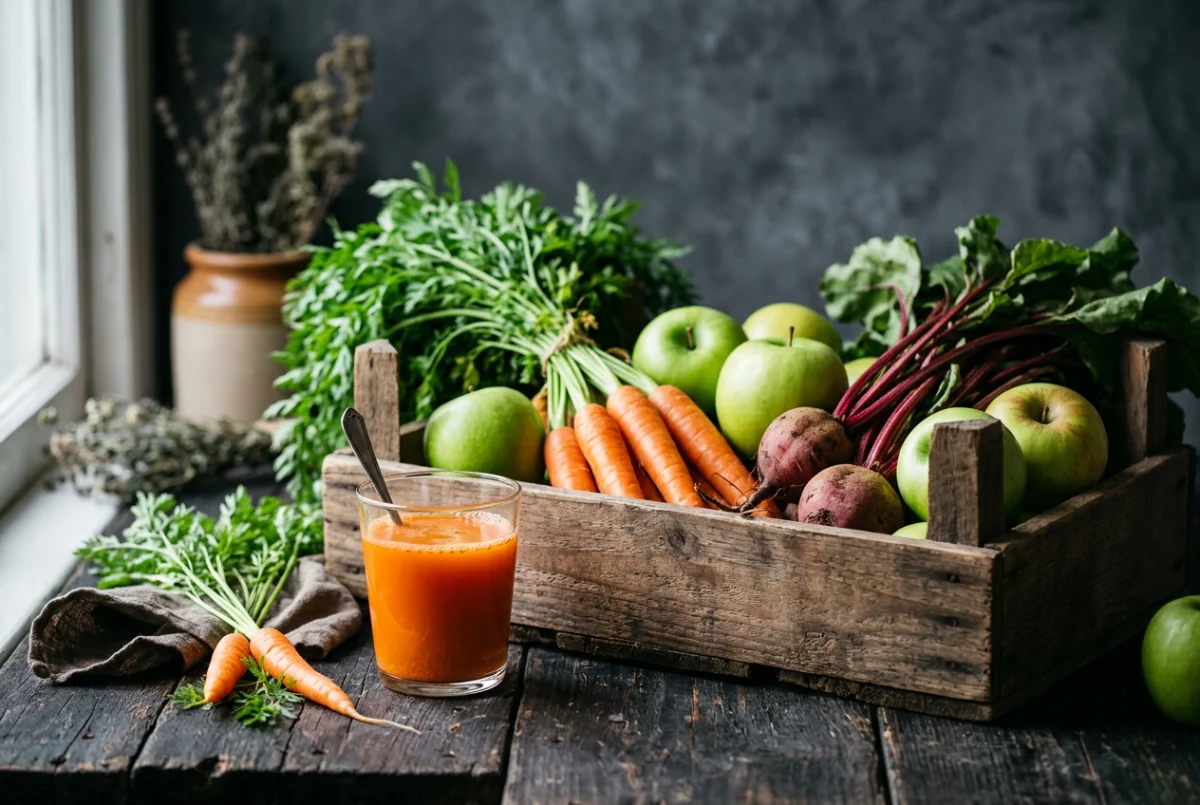
Short answer. Juicing on a budget comes down to what goes in the glass. Build most juices on carrot, which gives plenty of juice per kilo, and stretch them with cucumber and celery, which are mostly water. Buy what is in season, look for second-grade produce at markets and farm stalls, store it so nothing goes limp and wasted, grow your own kale, herbs or wheatgrass, and use the pulp. Leave expensive soft fruit such as blueberries for eating or blending. To know what you are really spending, weigh your produce, measure the juice and divide.
On this page
- Start with a cheap base: carrot
- Stretch it with cucumber and celery
- Buy in season, and buy seconds
- Buy in bulk and store it well
- Grow your own greens
- Use the pulp
- What isn’t worth juicing for the money
- How to work out the cost per glass
- A juicer is a long-term buy
- An everyday budget juice
- Frequently asked questions
Start with a cheap base: carrot
Carrot is the backbone of a budget juice. It is sold loose and in big bags at most supermarkets, markets and farm stalls, it keeps well in the fridge, and it gives a good amount of juice: about 250 to 300 ml from 500 g. It is also naturally sweet, so you need less fruit to make a juice taste good.
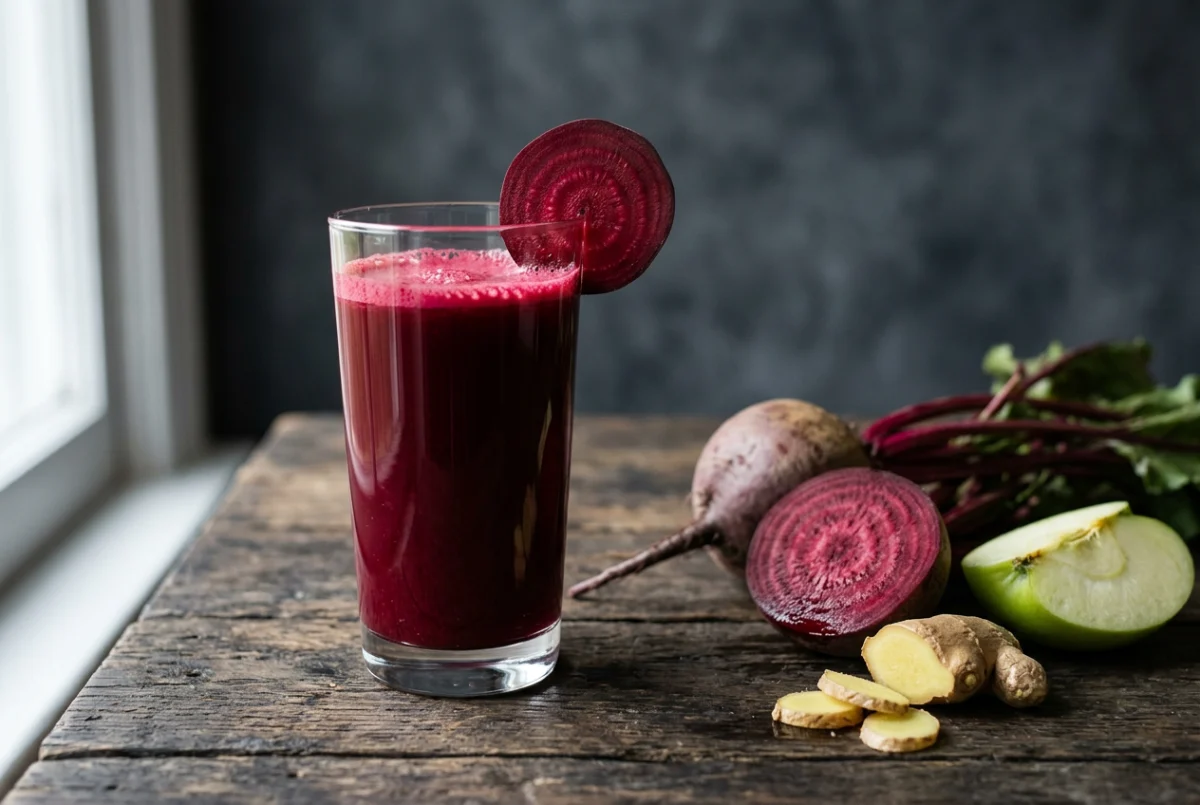
A carrot base takes almost any addition. A little apple or orange for sweetness, a slice of ginger for heat, half a lemon to brighten it. Our carrot and beetroot foundation recipes are built this way.
Stretch it with cucumber and celery
Cucumber and celery are the cheap way to add volume. A whole cucumber gives about 250 ml of juice and a bunch of celery about 300 to 400 ml, and both have a mild flavour that lets the other ingredients come through.
- Cucumber softens strong flavours such as kale, ginger and beetroot. IOL notes that cucumbers are cheapest in summer.
- Celery adds a salty, savoury edge. Cut it into 3 to 4 cm pieces before juicing, as Sana’s manuals advise, so the fibres don’t wrap around the auger.
- Apple is the sweetener. One green apple gives about 100 to 120 ml, so one per batch is usually enough.
A rough rule for an everyday juice: half carrot, a third cucumber or celery, and the rest apple, lemon and ginger.
Buy in season, and buy seconds
Fruit and vegetables in season tend to be cheaper and taste better, and juicing is the one kitchen job where shape and size don’t matter. A crooked carrot or a scarred apple gives exactly the same juice.
- Markets and farm stalls often sell second-grade or “ugly” produce by the box or bag. Ask for it if it isn’t on display.
- Supermarket reduced shelves are good for juicing fruit that is ripe today. Juice it the same day.
- Check every piece. The US Food and Drug Administration advises cutting away bruised or damaged parts and throwing out anything that looks rotten. Cheap produce is only a saving if it is sound.
Buy in bulk and store it well
Wasted produce is the biggest hidden cost of juicing. A few habits make a bulk buy last:
- Carrots. Cut off the leafy tops, which draw moisture from the root, and keep the carrots in a bag in the crisper drawer.
- Celery and kale. Wrap loosely in a damp cloth or keep in a bag in the fridge. Use the leafy greens first; they wilt fastest.
- Apples. Keep them in the fridge rather than a fruit bowl if you are buying a bag at a time.
- Ginger. Keep a whole knob in the fridge, or freeze it and slice it from frozen.
- Revive limp greens. Celery, kale and herbs that have gone soft usually crisp up again after 20 to 30 minutes in a bowl of cold water. They juice better crisp, too.
If you juice more than you can drink, our batch-juicing guide covers how long juice keeps and how to freeze it.
Grow your own greens
Leafy greens are where juicing gets expensive, and they are also the easiest thing to grow.
- Kale is a hardy, cut-and-come-again plant. A few plants in a bed or a large pot give a steady supply of leaves, picked from the bottom up.
- Herbs such as mint and parsley grow well in pots on a sunny windowsill or stoep, and a handful lifts a juice for almost nothing.
- Wheatgrass grows on a tray indoors from seed. Our wheatgrass at home guide covers soaking, growing and juicing it.
Use the pulp
Pulp is the fibre of everything you juiced, and most of it can be eaten. Carrot and apple pulp in particular go into crackers, fritters, muffins and stock. See our juice pulp recipes for ideas.
What isn’t worth juicing for the money
Some ingredients cost a lot and give little juice.
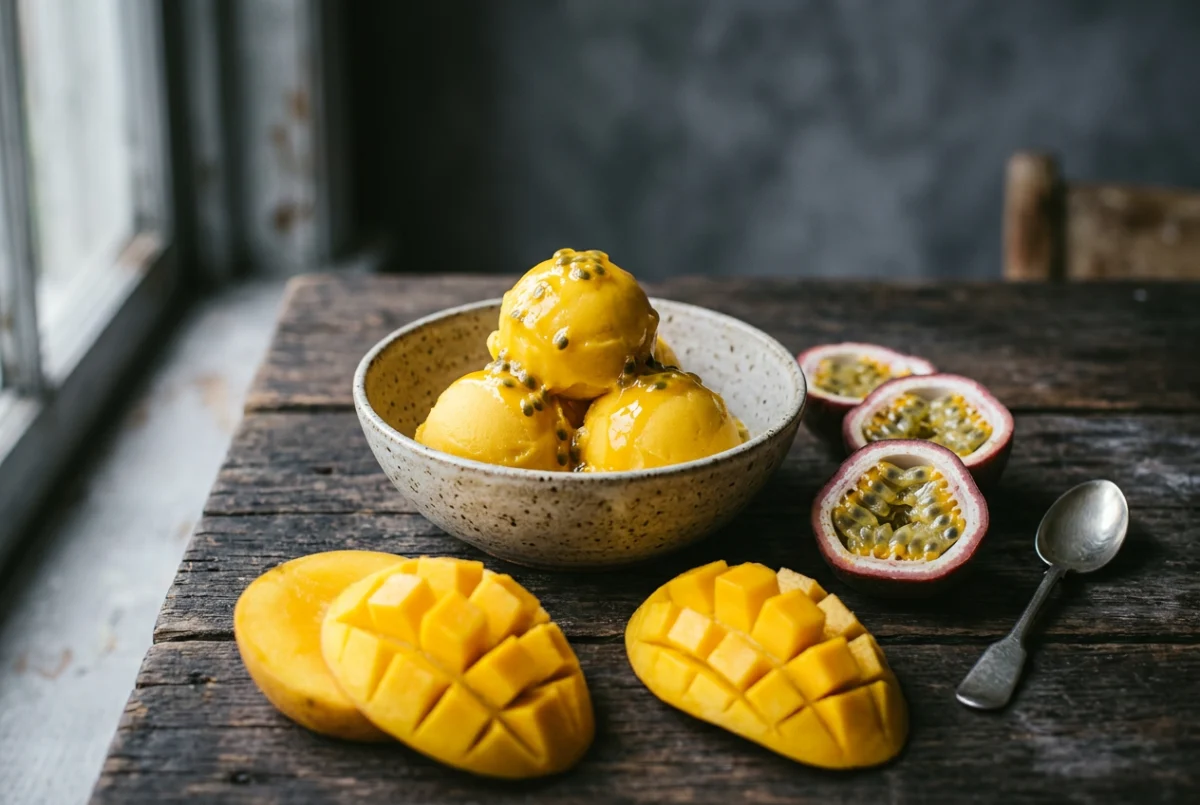
- Blueberries and other berries. They are expensive, and much of the skin goes out with the pulp. Eat them whole, blend them into a smoothie or freeze them for sorbet.
- Bananas, avocado and very ripe mango. They give a thick purée rather than juice. Blend them instead, or use them in soft-serve.
Spend on the flavour accents, such as a lemon or a knob of ginger, and save on the base.
How to work out the cost per glass
Rather than guess, measure it once with your own shopping. Prices change by season and by shop, so your own numbers are the only ones that count.
- Weigh the produce before you juice it, or note the weights from the till slip.
- Work out what it cost. Multiply each weight by the price per kilo on the shelf label or slip.
- Measure the juice in a measuring jug.
- Divide the cost of the produce by the millilitres of juice, then multiply by the size of your glass.
As a guide, 500 g of carrots gives about 250 to 300 ml of juice, so a 250 ml glass of carrot juice takes roughly 450 g of carrots: a little under half the price of a kilo. Do the sum once for your usual juice and you will know exactly where the money goes, and which swaps save the most.
A juicer is a long-term buy
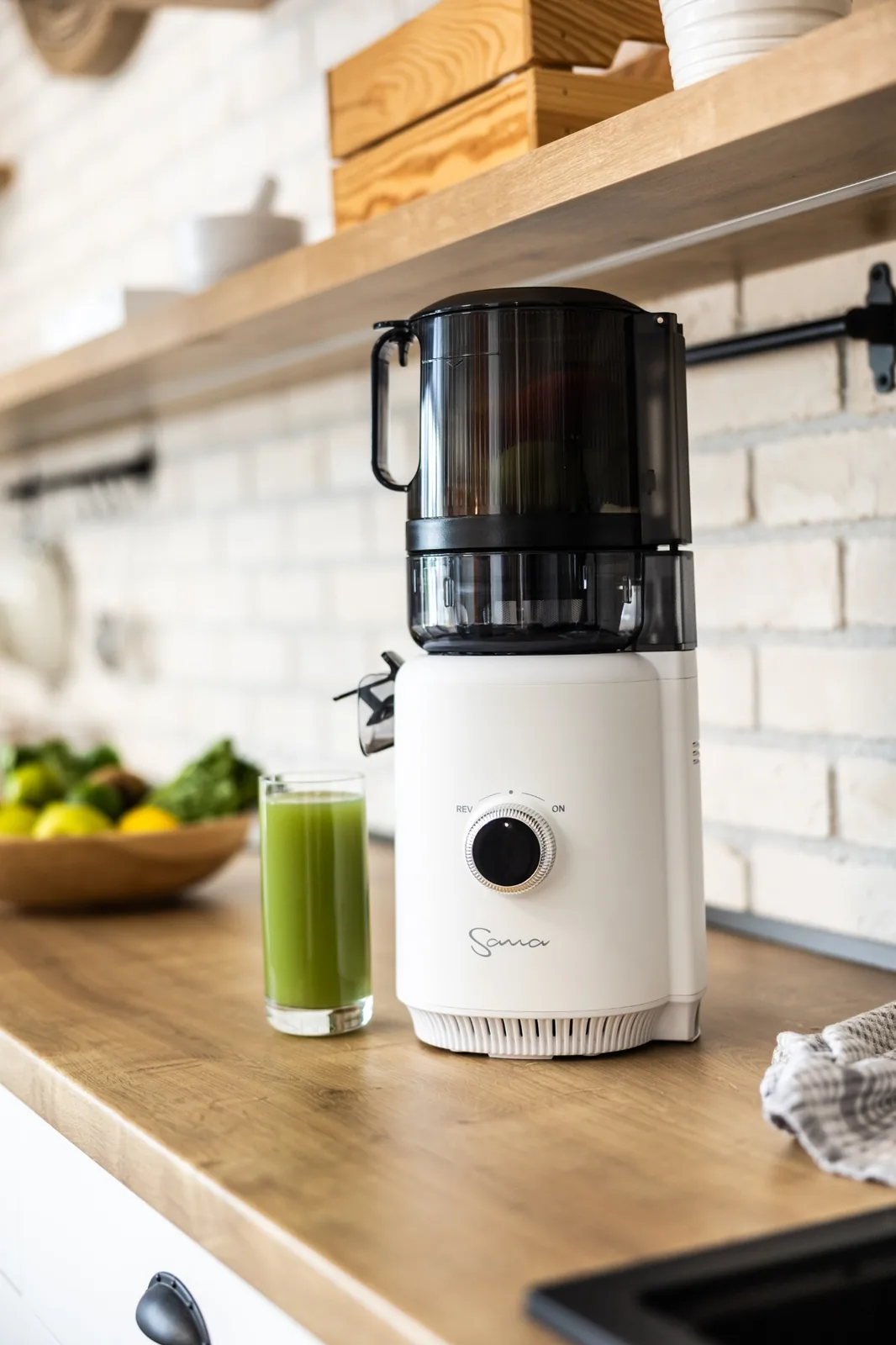
The other side of the sum is the machine. A good slow juicer is bought once and used for years, so its cost spreads across a great many glasses. Sana’s warranties reflect that: the 707, 727 and 878 carry 15 years on the motor and 5 years on parts, the 929 has a lifetime warranty, and the 818 has two years.
A slow juicer also gets more juice from each kilo than a fast one, with less foam and less heat. Carrot juices work on any Sana; on the 878, mix carrots with apple and cucumber in the hopper rather than loading carrots alone, as very firm produce on its own can make it jam. Our guide to which Sana suits you covers the differences.
An everyday budget juice
This is our everyday budget juice: mostly carrot and cucumber, with one apple, ginger and lemon for flavour.
Everyday budget juice: carrot, cucumber, apple and ginger
Ingredients
Equipment
Method
- Scrub the carrots and cucumber under running water. Core the apple and remove the pips, and peel the lemon and take out its pips.
- Cut everything to fit your juicer. On the Sana 878, cut pieces to fit the hopper and load carrot, cucumber and apple mixed together rather than carrots alone. On a horizontal Sana, cut the carrots into sticks.
- Juice the ginger between pieces of carrot, then alternate carrot, cucumber and apple. Finish with the lemon.
- Stir and pour. Measure the juice in a jug once if you want to work out your cost per glass.
Notes
The Sana juicers in this guide


Sana 707 Juicer
R9899,00

Sana 727 Supreme Juicer
Price range: R12999,00 through R14999,00

Sana 878 Juicer
Original price was: R11999,00.R10399,00Current price is: R10399,00.Frequently asked questions
What is the cheapest vegetable to juice?
Carrot is usually the best value as a base. It gives about 250 to 300 ml of juice from 500 g, keeps well in the fridge and is sweet enough that you need little fruit. Cucumber and celery are good cheap fillers.
How do I work out what a glass of juice costs?
Weigh the produce, multiply by the price per kilo, measure the juice and divide the cost by the millilitres. Multiply by your glass size, for example 250 ml, to get the cost per glass.
Is it cheaper to make juice than to buy it?
That depends on what you juice and what you compare it with. Work out the cost of your own glass with the method above and compare it with the price per millilitre on the bottle. A carrot-based juice made from seasonal or second-grade produce is usually where home juicing saves the most.
Can I juice second-grade or ugly produce?
Yes. Shape and size make no difference to the juice. Cut away bruised or damaged parts and throw out anything that looks rotten.
How do I stop greens going limp before I juice them?
Keep them in a bag or damp cloth in the fridge and use them first. If they do wilt, soak them in cold water for 20 to 30 minutes and they usually crisp up again.
Which fruits aren’t worth juicing?
Berries are expensive and lose much of their skin to the pulp, and bananas, avocado and very ripe mango make purée rather than juice. Blend or freeze these instead.
Sources
- Shopping basket staples: what’s cheap and in season in summer, IOL: cucumbers cheapest in summer. iol.co.za
- What you need to know about juice safety, US Food and Drug Administration: washing produce and cutting away damaged parts. fda.gov
- Sana 707 user manual (English), Sana Products: cutting fibrous stalks. sanaproducts.com
- Sana 707, 727, 929, 878 and 818 product pages, SanaStore: warranties. sanastore.co.za · sanastore.co.za · sanastore.co.za · sanastore.co.za · sanastore.co.za
- Baykus and Unluturk (2024), slow versus centrifugal juicer yield, Food Science and Engineering. ojs.wiserpub.com