Blog
Hummus, Pesto and Salsa in a Sana Juicer

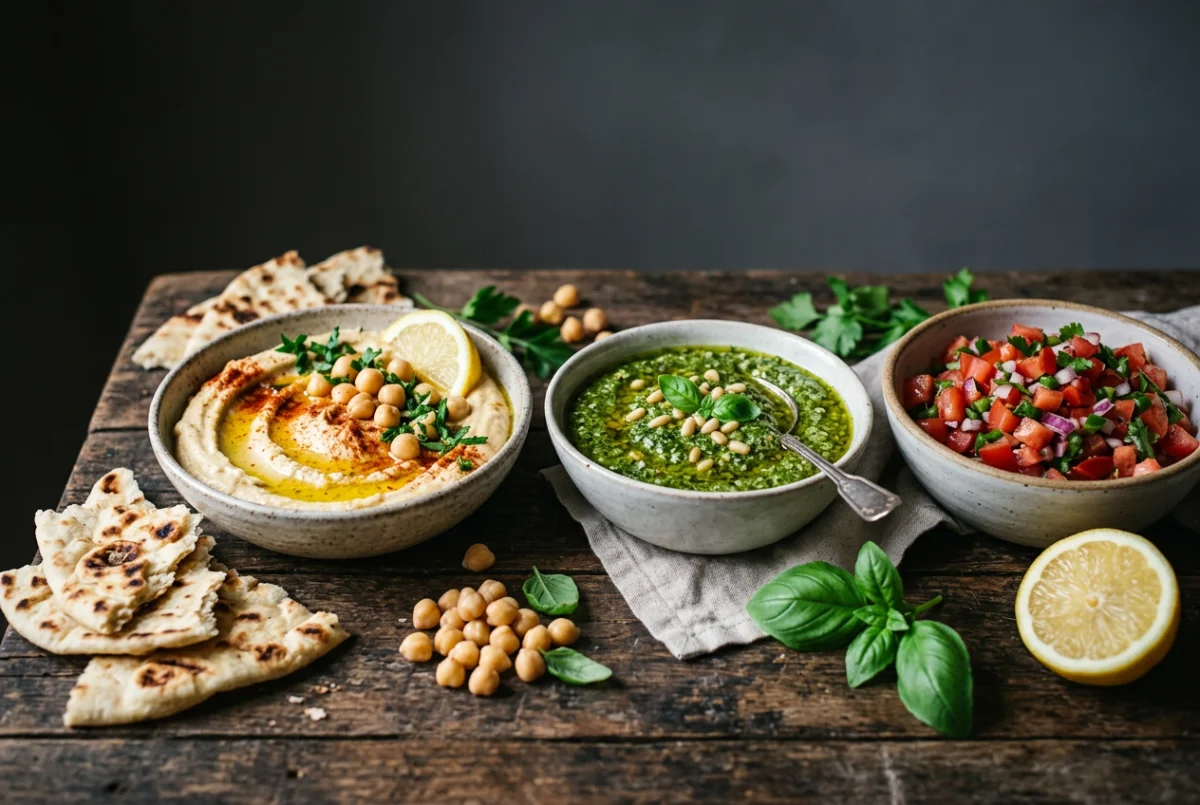
Short answer. You can make hummus in a Sana juicer by fitting the homogenising (blank) screen to a Sana 707, 727 or 929 and feeding cooked chickpeas and garlic in slowly, then stirring in tahini, lemon juice and olive oil afterwards. The same screen makes a quick basil pesto and a fresh tomato and chilli salsa. Cook the chickpeas first, keep sesame out of the machine (tahini is a paste you add at the end), and feed a little at a time. The hands-free 878 and 818 aren’t designed for this.
On this page
Which Sana juicers make dips and sauces?
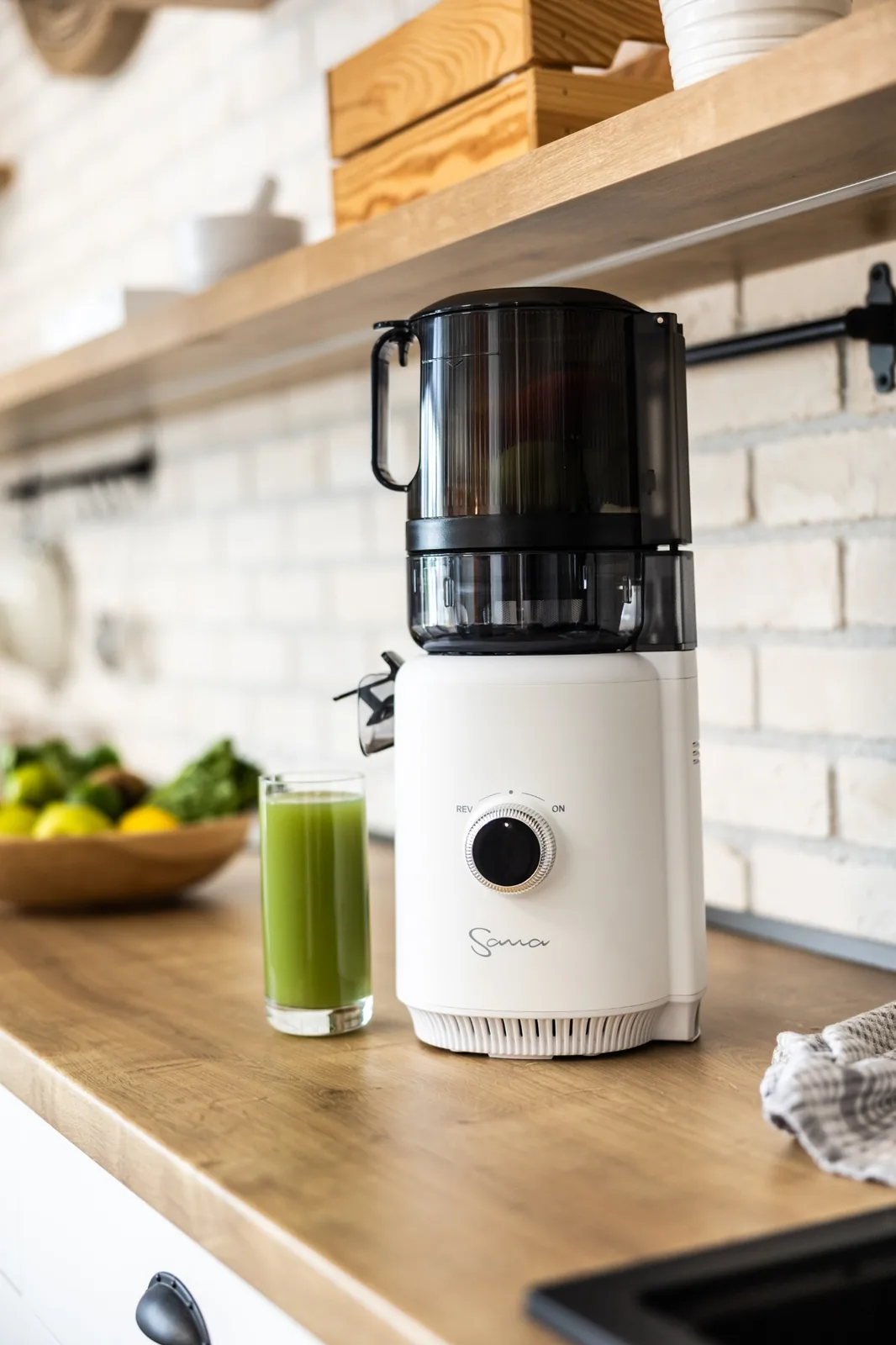
Spreads and sauces use the same screen as nut butter and sorbet. It has no holes, so instead of separating juice from pulp, the auger crushes everything together and pushes it out of the end.
| Sana model | Dips and sauces | What the sources say |
|---|---|---|
| Sana 707 | Yes, homogenising screen | Our product page lists dips. EU Juicers lists hummus from chickpeas and ground herbs such as basil. The manual says it chops garlic, red pepper, ginger and herbs |
| Sana 727 Supreme | Yes, homogenising screen | Listed for nut butters, milks, sorbets, baby food “and more”. Hummus, pesto and salsa work well in our kitchen |
| Sana 929 Ultimate | Yes, stainless homogenising screen | Same screen and method as the 727 |
| Sana 878 | No | Sorbet and nut milk only |
| Sana 818 | No | A juice-only machine |
EU Juicers’ short film shows the 707 doing this kind of food-processing work.
How the homogenising screen handles soft food
Three habits make every recipe here work.
- Feed slowly. The 727 manual asks you to add ingredients a little at a time and let the juicer process them before adding more. Soft, wet food is no exception.
- Put a bowl under both outlets. The thick mixture comes out of the end, and a little liquid can run from the juice outlet. Stir the two back together.
- Pass it twice for smoother. One pass gives a rustic texture. Tip it back into the chute for a second pass if you like it finer.

If you have already made nut butter this way, the feel is the same. Our peanut and cashew butter guide covers clearing the drum cap if it stops flowing.
How to make hummus in a Sana juicer
Hummus is mostly about two things: soft chickpeas and enough lemon. Use tinned chickpeas, drained, or chickpeas you have cooked yourself until they squash easily between your fingers.
- Juice the lemon first. Peel the lemon and run it through the fine juicing screen, or simply squeeze it by hand. Set the juice aside.
- Swap to the homogenising screen. Check it is seated properly before you switch on. On the 727, the manual asks for the groove on the blank screen to face upward.
- Feed chickpeas and garlic slowly. Add a spoonful at a time with the peeled garlic in between. If the chickpeas start to pack, a splash of their cooking liquid (or the liquid from the tin) helps them move.
- Stir in the rest. Mix the tahini, lemon juice, olive oil, cumin and salt into the chickpea paste in a bowl. Add a little cold water to loosen it.
Why stir the tahini in rather than putting sesame through? Both the 707 and 727 manuals list sesame among the things not to process. Tahini is already a smooth paste, so it goes in with a spoon.
Hummus in a Sana Juicer
Ingredients
Equipment
Method
- Fit the fine juicing screen and juice the peeled lemon, or squeeze it by hand. Set the juice aside (you should have about 2 to 3 tablespoons).
- Swap to the homogenising screen. Put a bowl under the end of the drum and a small container under the juice outlet.
- Feed the chickpeas in a spoonful at a time, with the garlic in between. If they start to pack, add a splash of the kept chickpea liquid.
- For a finer hummus, tip the paste back into the chute for a second pass.
- Combine the paste with anything collected from the juice outlet.
- Stir in the tahini, lemon juice, olive oil, cumin and salt.
- Loosen with cold water a spoonful at a time until creamy. Taste and adjust the lemon and salt.
- Serve with a swirl of olive oil. Keep covered in the fridge and eat within about 3 days.
Notes
A few variations we like: roast a red pepper and feed it through with the chickpeas; add a small cooked beetroot for a pink hummus; or stir a teaspoon of mild curry powder into the finished bowl.
Basil pesto that doesn’t cost a fortune
Pine nuts are expensive in South Africa, and pesto doesn’t need them. Lightly toasted cashews give a creamy, mild pesto. Sunflower seeds are the budget choice and give a slightly earthier flavour. Toast either in a dry pan until just golden, then let them cool completely, because the 727 manual warns against exposing the juicer to high temperatures.
Feed the basil leaves, garlic and nuts or seeds through the homogenising screen in turns, so the leaves never go in as one big bundle. Dry the basil well after washing it. Then, in a bowl, stir in finely grated Parmesan, olive oil, a squeeze of lemon and salt. Keeping the cheese and oil out of the juicer means less cleaning and more control over the texture.
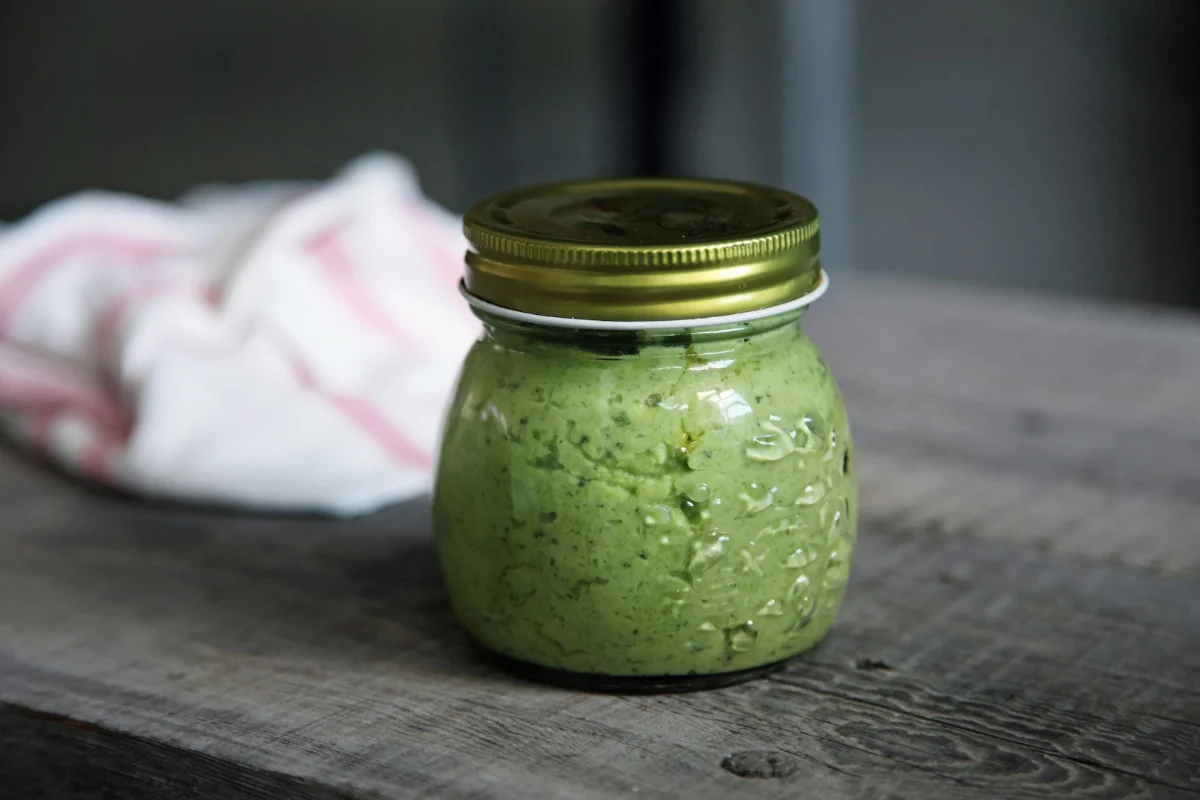
Basil Pesto with Cashews or Sunflower Seeds
Ingredients
Equipment
Method
- Toast the cashews or sunflower seeds in a dry pan over a medium heat for 3 to 5 minutes, until just golden. Let them cool completely.
- Fit the homogenising screen, with a bowl under the end of the drum and a small container under the juice outlet.
- Feed a small handful of basil, then a few nuts or seeds, then the garlic, and keep alternating until everything has gone through.
- Scrape the paste into a bowl with anything from the juice outlet.
- Stir in the Parmesan, olive oil, lemon juice and salt. Add a little more oil for a looser sauce.
- Use straight away, or cover with a thin layer of oil and refrigerate for up to about 3 days.
Notes
Basil is at its best in summer. Out of season, a mix of basil with flat-leaf parsley or rocket works well too.
Fresh tomato and chilli salsa
Sana’s own fresh salsa runs tomatoes, onion, a seeded chilli and coriander through the blank screen, then finishes it with lime and salt. We make it the same way, with one change: we keep one tomato back and dice it by hand, so the salsa has some texture as well as body.
Use ripe but firm tomatoes. Very soft ones turn watery. If the salsa looks thin, tip it into a sieve for a minute and let some of the liquid run off; that liquid is lovely in a soup or one of our savoury vegetable juices. Taste the chilli before you add it all, because green chillies vary a lot in heat.
Fresh Tomato and Chilli Salsa
Ingredients
Equipment
Method
- Fit the homogenising screen, with a bowl under the end of the drum and another under the juice outlet.
- Feed the tomato wedges, onion, chilli and coriander through slowly, alternating them as you go.
- Combine both bowls. If the salsa looks thin, tip it into a sieve for a minute to drain some liquid.
- Stir in the diced tomato, lime juice and salt. Taste and adjust.
- Serve straight away with tortilla chips, braai meat or eggs.
Notes
Serve it with tortilla chips, on braai meat, or spooned over eggs. It is best on the day you make it.
Cleaning up after garlic and onion
Clean the screen and auger straight after making any of these, before the oil and garlic dry on. The 727 manual says no dishwashing liquid and no hot water, while the 707 manual allows warm soapy water. Our guide to cleaning a Sana juicer covers each model step by step.
Made with a Sana juicer


Sana 707 Juicer
R9899,00

Sana 727 Supreme Juicer
Price range: R12999,00 through R14999,00

Frequently asked questions
Can I use dried chickpeas in a juicer?
No. Dried beans are on the 727 manual’s list of things not to process, and they are far too hard. Soak dried chickpeas overnight and cook them until soft before they go anywhere near the juicer, or use tinned chickpeas.
Why do I stir in tahini instead of grinding sesame?
The 707 and 727 manuals both list sesame among the things not to put through the juicer. Tahini is sesame that has already been ground into a paste, so you simply stir it into the hummus at the end.
Can the Sana 878 or 818 make hummus or pesto?
No. The 878’s blank screen is for sorbet and it makes nut milk from soaked nuts, but dips and sauces aren’t on its list. The 818 is a juice-only machine. Use a 707, 727 or 929 with the homogenising screen.
How smooth is hummus made in a juicer?
One pass gives a slightly rustic hummus. A second pass through the homogenising screen makes it finer, and a little cold water or chickpea liquid stirred in at the end makes it creamier.
Can I put Parmesan and olive oil through the juicer?
We don’t. Grating the Parmesan finely and stirring it in, along with the olive oil, gives you more control over the texture and keeps the cleaning simple.
How long do homemade hummus, pesto and salsa keep?
We keep hummus and pesto covered in the fridge and eat them within about three days, and salsa on the day it is made. Pour a thin layer of olive oil over pesto to keep the top green, or freeze it in an ice-cube tray.
Sources
- Sana 707 juicer user manual (English), Sana Products: processing garlic, red pepper and herbs, soaked beans, items not to process. sanaproducts.com
- Sana 727 Supreme user manual (English), Sana Products: homogenising screen, feeding slowly, items not to process, cleaning. sanaproducts.com
- Fresh salsa, Sana Products recipes. sanaproducts.com
- Sana juicer EUJ-707, EU Juicers: hummus from chickpeas, ground herbs such as basil. eujuicers.com
- Sana 707, 727 Supreme and 929 Ultimate product pages, SanaStore: homogenising screen uses. sanastore.co.za