Blog
What to do with juice pulp: crackers, fritters, stock and more


Short answer. The best thing to do with juice pulp is cook with it. Carrot, beetroot and celery pulp makes crisp seed crackers and savoury fritters, apple and pear pulp goes into oat bars and muffins, and celery, carrot and greens pulp makes a good vegetable stock. Keep pulp from different juices separate, leave out pulp heavy with ginger or citrus peel when baking, refrigerate it covered and use it within a day, or freeze it in portions. Most of the fibre that juicing removes ends up in the pulp, so using it puts some of that back on your plate.
On this page
Why juice pulp is worth keeping
Every glass of juice leaves a container of pulp behind. Mayo Clinic notes that the fibre in whole fruit and vegetables is lost during most juicing, and that fibre doesn’t disappear: most of it is in the pulp. Cooking with pulp brings some of it back into your meals, and it means less of your produce goes in the bin.
Pulp also still tastes of what you juiced. Carrot pulp is sweet, beetroot pulp is earthy and deeply coloured, and apple pulp smells of apple. That flavour is why it works in baking and cooking, and it is why Sana suggests it too: the 707 manual recommends fruit pulp for cakes, pies and muffins, and vegetable pulp for soups, sauces and even meat dishes.
Which juice pulp to keep
Not all pulp is equally useful. The softer, sweeter and milder it is, the more you can do with it.
| Pulp | Best uses | Good to know |
|---|---|---|
| Carrot | Crackers, fritters, muffins, bolognese, stock | The most useful pulp of all: mild, sweet and fairly dry |
| Beetroot | Crackers, burger patties, chocolate cake | Turns everything a deep red; use a little mixed with carrot |
| Apple and pear | Oat bars, muffins, pancakes, crumble topping | Remove the cores and pips before juicing so the pulp is ready to bake with |
| Celery and cucumber | Stock, soups, a small share of cracker dough | Celery pulp is stringy; chop it finely if it goes into a bake |
| Kale and other greens | Stock, soups, stews | Fibrous and strong; better simmered than baked |
| Ginger, turmeric and citrus | Compost | Ginger is hot and stringy, and citrus peel and pith turn bitter; keep them out of bakes |
| Almond | Baking, crackers | See our almond milk recipe |
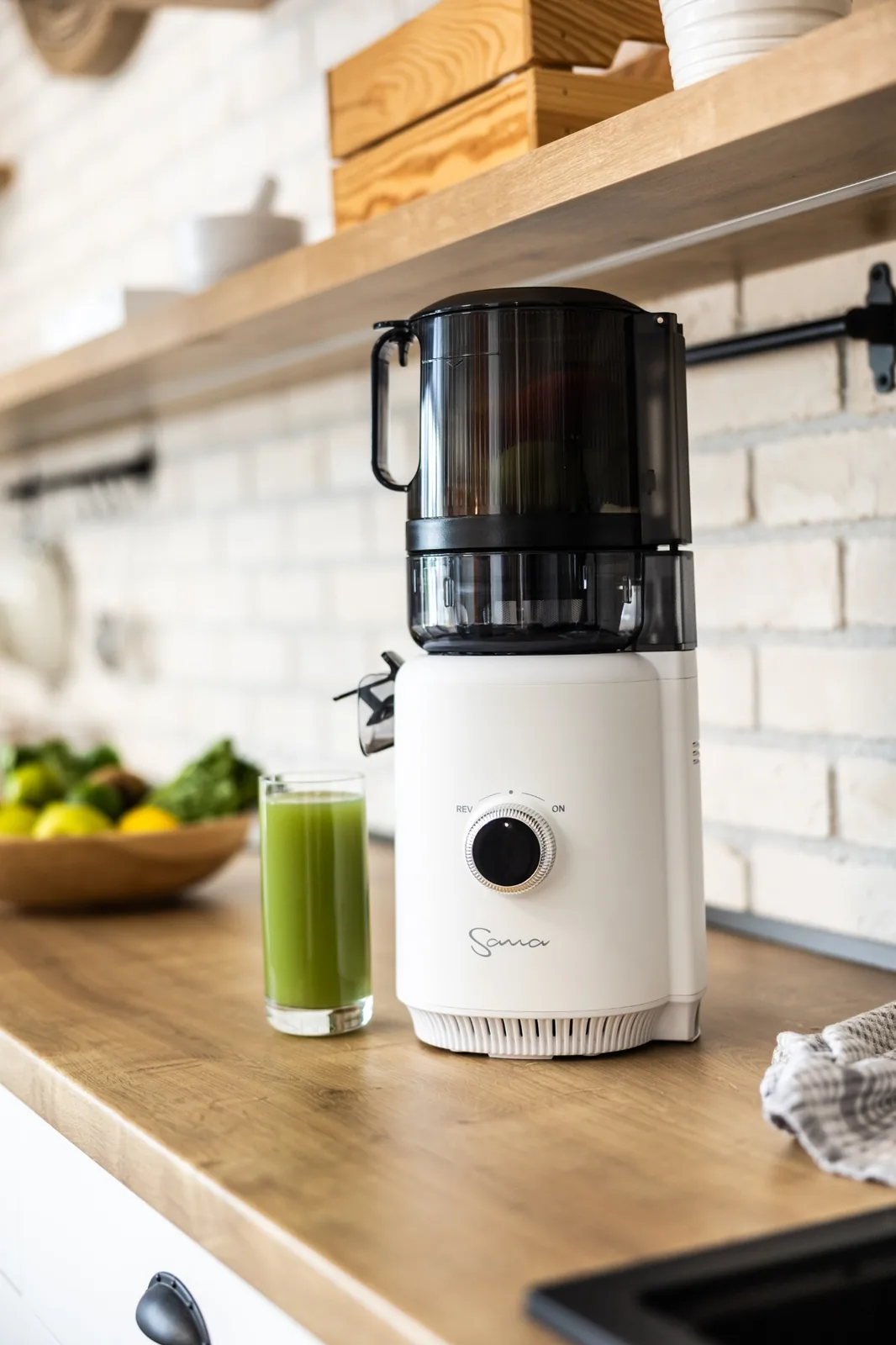
Collect it separately. If you juice a mixed recipe, you get mixed pulp. When you plan to use the pulp, juice the carrots or apples first, empty the pulp container, then juice the ginger, lemon and greens. A pulp container you can lift off and empty quickly helps here; the Sana 727 Supreme comes with a stainless steel pulp catcher, and the Sana 878 has an XL stainless steel pulp container.
Check how wet it is. Pulp from a slow juicer usually comes out fairly dry, but it varies with the produce, the screen and the machine. Pulp from soft, watery produce tends to be wetter than carrot pulp. If yours is damp, squeeze it in a nut milk bag or clean tea towel before baking. If it is very dry, the recipes below tell you when to add a splash of water.
How to store and freeze juice pulp
Treat pulp like any fresh, cut produce. It is moist and exposed to air, so it doesn’t keep long at room temperature.
- In the fridge. Put it in a covered container straight away and use it within a day.
- In the freezer. Sana’s 707 manual suggests freezing pulp you can’t use straight away. Press it flat into labelled freezer bags in 150 g or 200 g portions, the amounts the recipes below use, and it thaws quickly. We use frozen pulp within a couple of months.
- After thawing. Frozen pulp releases water as it thaws. Squeeze it before baking with it.
Seed crackers from vegetable pulp
These are our favourite use for carrot, beetroot and celery pulp. Linseed binds the dough without any flour, sunflower and pumpkin seeds give crunch, and slow baking dries everything out into a thin, snappable cracker. Mostly carrot pulp gives golden crackers; add beetroot and they come out deep red.
Seed crackers from vegetable juice pulp
Ingredients
Equipment
Method
- If any celery pulp is stringy, chop it finely with a knife.
- Mix the pulp, seeds, oil, salt and herbs in a bowl. Add the water and stir well. The mixture should be thick and sticky; add a little more water if it is crumbly.
- Leave it for 15 minutes so the linseed absorbs the water and binds the dough. Heat the oven to 150 °C (140 °C fan).
- Put the dough on a sheet of baking paper, cover with a second sheet and roll it out evenly to about 3 mm thick. Peel off the top sheet.
- Slide the paper onto a baking tray and score the dough into squares or rectangles with a knife.
- Bake for 40 minutes. Turn the whole sheet over onto a fresh piece of baking paper, peel off the old paper and bake for another 30 to 40 minutes, until dry and crisp all the way through.
- Switch off the oven and leave the crackers inside to cool with the door slightly open. Snap them along the score lines.
Notes
Carrot pulp fritters
Carrot pulp is already finely grated, which makes it perfect for fritters. Eggs and a little flour bind it, spring onion and coriander make it savoury, and a few minutes in a hot pan gives crisp edges and a soft middle. Serve them with plain yoghurt and lemon for a quick lunch, or make them small as a snack for guests.
Carrot pulp fritters
Ingredients
Equipment
Method
- Mix all the fritter ingredients except the oil in a bowl. The mixture should hold together when pressed with a spoon. If it is loose, add a spoonful of flour; if it is dry, add a spoonful of water.
- Heat the oil in a frying pan over a medium heat.
- Drop in heaped tablespoons of the mixture and flatten each one to about 1 cm thick.
- Fry for 2 to 3 minutes on each side, until golden and crisp at the edges. Drain on paper towel and keep warm while you fry the rest.
- Serve hot with yoghurt and lemon wedges.
Notes
Variations to try. Replace a third of the carrot pulp with beetroot or courgette pulp. Swap the coriander for dill or mint. Add a pinch of chilli flakes or a teaspoon of curry powder with the cumin.
Vegetable stock from juice pulp
Pulp from celery, carrot, cucumber and greens makes a light, clean-tasting stock for soups, risotto and stews. Sana’s 707 manual suggests simmering about 500 g of vegetable pulp in 2.5 litres of water and straining it, and that is a good starting ratio. We add a few aromatics for depth.
- Gather the pulp. Use about 500 g of mixed vegetable pulp: celery, carrot, cucumber, kale and other greens. Leave out beetroot, which turns the stock red, and ginger and citrus, which make it sharp and bitter.
- Add flavour. Put the pulp in a large pot with 2.5 litres of cold water, half an onion, a bay leaf, a few black peppercorns and a handful of parsley stalks if you have them.
- Simmer. Bring it to the boil, then turn it down and simmer gently, uncovered, for 30 to 40 minutes.
- Strain well. Pulp is fine, so pour the stock through a sieve lined with a clean cloth, or through a nut milk bag, and press gently.
- Cool and freeze. Cool it quickly, then refrigerate and use within three days, or freeze it in 500 ml tubs or ice-cube trays.
The stock is unsalted, so season the dish you use it in rather than the stock itself.
Apple pulp oat bars
Apple and pear pulp gives these bars moisture and natural apple flavour, so they need less butter and honey than a standard flapjack. Use pulp from cored apples with the pips removed. They make a good lunchbox snack.
Apple pulp oat bars
Ingredients
Equipment
Method
- Heat the oven to 180 °C (170 °C fan) and line a 20 cm square tin with baking paper.
- Mix the oats, ground almonds, seeds, raisins, cinnamon and salt in a bowl.
- Add the apple pulp, melted butter, honey and egg and stir until everything is evenly coated.
- Tip the mixture into the tin and press it down firmly and evenly with the back of a spoon.
- Bake for 25 to 30 minutes, until golden at the edges and firm in the middle.
- Leave to cool completely in the tin before cutting into 12 bars.
Notes
More quick ways to use juice pulp
- Muffins and banana bread. Use carrot or apple pulp in place of grated carrot or apple in your usual recipe. Pulp is drier than freshly grated produce, so add a tablespoon or two of milk if the batter looks stiff.
- Bolognese, soups and sauces. Stir a couple of handfuls of carrot or celery pulp into a bolognese, lentil soup or tomato sauce as it simmers. It thickens the sauce and disappears into it.
- Burger patties and meatballs. Mix a few spoonfuls of carrot or beetroot pulp into mince or a bean burger mix.
- Pancakes and flapjacks. Fold a little apple or carrot pulp into the batter with a pinch of cinnamon.
- Compost. Pulp you can’t cook with, such as ginger, citrus and very stringy pulp, breaks down quickly in a compost heap or worm farm.
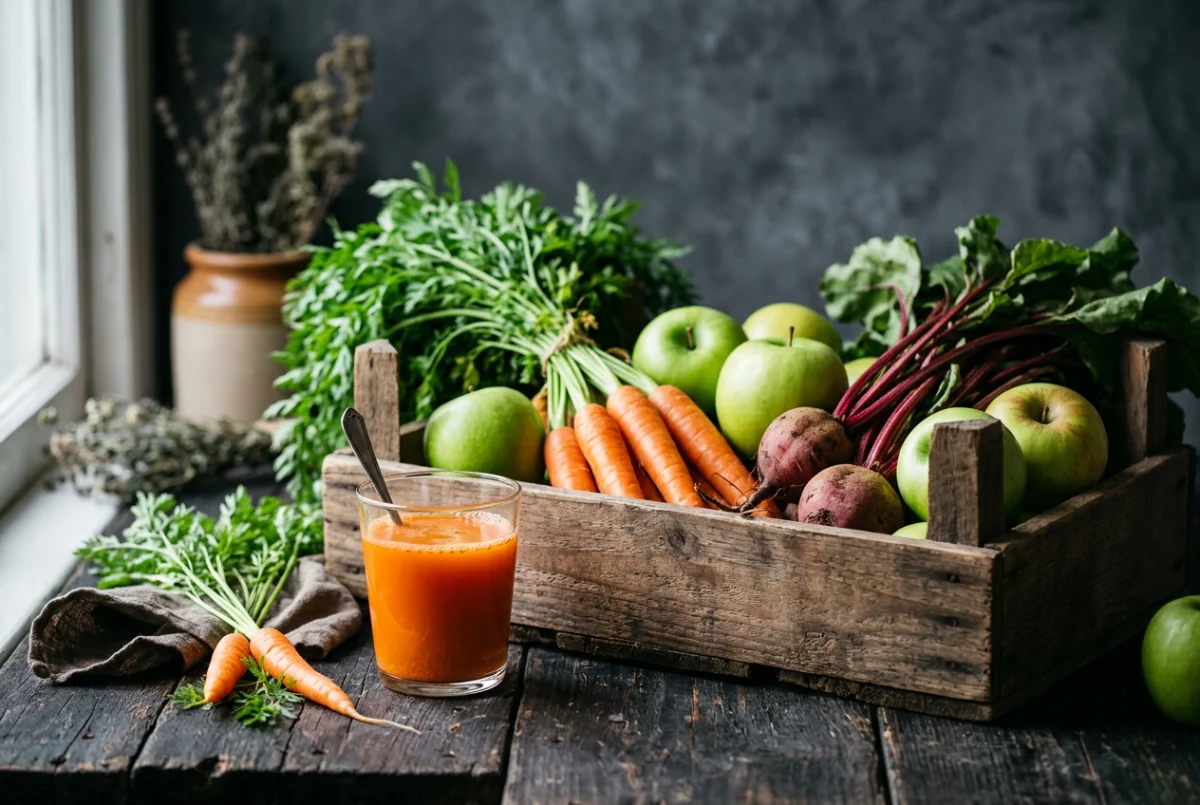
Our savoury vegetable juices and carrot and beetroot juices leave plenty of useful pulp for all of these.
Made with a Sana juicer


Sana 707 Juicer
R9899,00

Sana 727 Supreme Juicer
Price range: R12999,00 through R14999,00

Sana 878 Juicer
Original price was: R11999,00.R10399,00Current price is: R10399,00.Frequently asked questions
Can you eat juice pulp?
Yes. Juice pulp is the fibrous part of the fruit and vegetables you juiced, so it is as edible as the produce itself. Use pulp from washed produce with pips, stones and cores removed, refrigerate it straight away, and use it within a day or freeze it.
Does juice pulp still contain fibre?
Yes. Mayo Clinic notes that the fibre in whole fruit and vegetables is lost during most juicing, and most of that fibre stays in the pulp. Cooking with the pulp puts some of it back into your meals.
How long does juice pulp keep?
In a covered container in the fridge, use it within a day. For longer, freeze it flat in portions in labelled freezer bags. Squeeze out the extra water after it thaws.
Which juice pulp is best for baking?
Carrot and apple pulp are the most useful: they are mild, slightly sweet and fairly dry. Beetroot works in small amounts and colours everything red. Keep pulp with a lot of ginger, citrus peel or pith out of bakes, as it tastes hot or bitter.
Can you make stock from juice pulp?
Yes. Simmer about 500 g of vegetable pulp, such as celery, carrot, cucumber and greens, in 2.5 litres of water with onion, a bay leaf and peppercorns for 30 to 40 minutes, then strain it through a cloth or nut milk bag. Freeze it in portions.
Can I use pulp from mixed juices?
Yes, as long as you know what is in it. Pulp from a carrot, apple and a little ginger juice works well in fritters and crackers. If you plan to bake with the pulp, juice the carrot or apple first and empty the pulp container before the ginger and citrus go in.
Sources
- Sana 707 user manual (English), Sana Products: using and freezing pulp, vegetable pulp stock. sanaproducts.com
- Sana 727 Supreme juicer, SanaStore: stainless steel pulp catcher and reusing pulp. sanastore.co.za
- Expert answer on juicing and whole produce, Mayo Clinic: fibre lost in juicing. mayoclinic.org