Blog
Slow juicer troubleshooting: foam, wet pulp, low yield and clogs

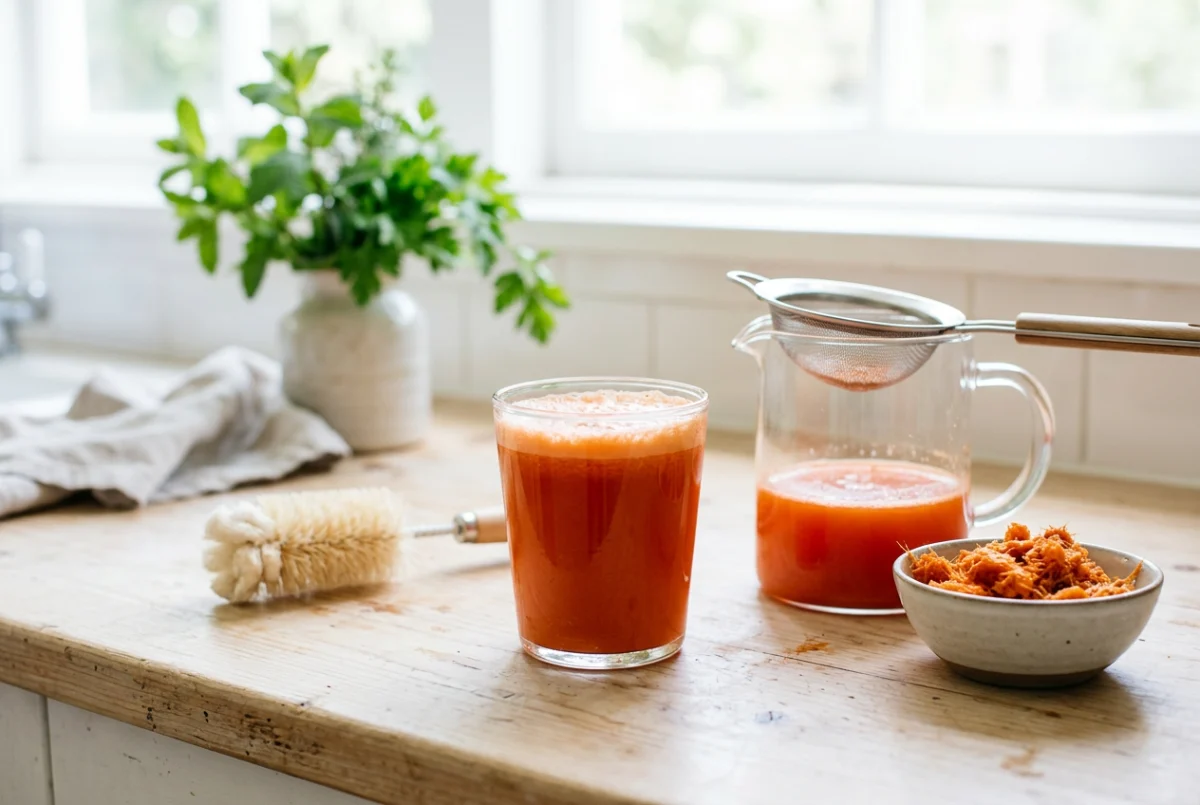
Short answer. Most slow juicer troubleshooting comes back to three things: what you feed, how fast you feed it, and which screen is fitted. Foam settles if you let the juice stand or pour it through a sieve. Wet pulp and low yield usually mean overfeeding, a screen that needs a rinse, or tired produce. Clogging with celery, pineapple core or greens is solved by cutting fibres short and mixing leafy produce with something firm. Squeaking with beetroot is normal according to Sana’s manuals, and juice that separates only needs a stir.
On this page
Quick checks before anything else
Many problems disappear once the basics are right. Before you change anything else, check these:
- Is the screen clean? A screen with dried pulp in its holes gives less juice and wetter pulp. The 727 manual lists cleaning the screen as the first fix for low yield.
- Is the juice cap open? On the 878 and 818, a closed juice cap makes juice back up into the hopper, and the 727 manual asks you to keep it open while juicing.
- Is the right screen fitted? Fine for firm produce, coarse for soft fruit. Our first-week guide has a table for every model.
- Is the produce fresh and firm? The 707, 727 and 818 manuals all say wilted or long-stored produce gives less juice, and frozen fruit very little.
Too much foam
Some foam is normal. In our kitchen, apples and pineapple foam the most, while carrots, celery and cucumber give very little. Sana’s manuals don’t cover foam, so these are the fixes we use:
- Let it stand for a minute. Most foam rises and settles on its own. Skim what is left with a spoon.
- Pour through a sieve. The 929 comes with a glass jug and a stainless steel sieve, and the 727 manual suggests setting the strainer over your glass for nearly pulp-free juice. Both catch most of the foam too.
- Mix foamy produce with calmer produce. A green apple between handfuls of celery and cucumber foams far less than a jug of apple on its own.
- Use the slowest speed for greens. On the 727 and 929, SanaStore recommends 40 rpm for green and vegetable juice.
- Feed steadily, not in bursts. Packing the chute churns more air into the juice.
Foam is harmless. If you don’t mind it, stir it back in and drink it.
Wet pulp and low yield
Pulp from firm produce such as carrots and apples should feel fairly dry. If it comes out wet and juice seems to be going to waste, work through these causes in order.
- Overfeeding. The 727 manual says overfeeding makes pulpier juice and can stop the auger. Feed one piece or small handful at a time and let it clear.
- A clogged screen. On long sessions, fibres build up in the screen. The 727, 878 and 818 manuals suggest washing the parts after about 1 kg of produce, so rinse the screen halfway through a big batch.
- Soft produce on the fine screen. Peaches and soft apples give more purée than juice, says the 727 manual. Use the coarse screen for soft fruit, or mix it with firm produce.
- Tired produce. Wilted greens and soft, old carrots give less. The 727 manual suggests soaking tired produce in fresh water for ten minutes first.
- The wrong pressure on the 929. Its adjustable cap goes higher for fibrous roots and greens and lower for soft, juicy produce. Check your manual for the settings.
- Stopping too soon. Let the juicer run for a few seconds after the last piece, or about a minute on the 878, so the last juice comes out.
Don’t run the pulp through again. The 727, 878 and 818 manuals advise against juicing pulp a second time. If it is still wet, use it in cooking: our juice pulp recipes make good use of it.
Clogging with celery, pineapple and leafy greens
Stringy, fibrous produce is the usual cause of a slow or stuck juicer.
Celery. Cut it into 3 to 4 cm lengths, every time. The 878 manual explains that long celery fibres can wrap around the auger and block the pulp outlet, and no Sana manual allows whole stalks. Feed a handful, let it clear, then add the next. On the 707, fit the celery insert that comes in the box, which Sana says gives celery juice a higher yield and a smoother texture. Our celery juice guide covers the rest.

Pineapple core. The manuals ask you to remove the rind, and the 727 and 707 manuals put pineapple on the coarse screen. The core is much tougher than the flesh. In our kitchen we cut it into small pieces and feed it between softer chunks, or leave it out when the juicer is struggling. Check your manual for your model.
Leafy greens. Roll leaves into a tight bundle and follow each bundle with something firm, such as a carrot stick or an apple wedge, which pushes the leaves through. On the 878 and 818, cut greens to about 3 cm and put them at the bottom of the hopper with firmer produce on top. The 929 has a deep stainless steel bowl for leafy greens and small pieces.
Very soft fruit. Bananas, ripe kiwi, mango and strawberries can build up in the chamber of the 878 and 818. Their manuals suggest mixing them with firmer produce such as carrots or apples.
If it jams anyway. The 727 and 929 reverse automatically. On the 707, set the switch to neutral, wait for the auger to stop, then use REV. On the 878 and 818, hold the dial on REV for three to five seconds, two or three times. If that doesn’t clear it, switch off, unplug and take it apart to clean.
Squeaking and noise with beetroot
A squeak or high-pitched sound with beetroot or firm apples is expected. The 878 manual says squeaking with beetroot and firm apples such as Granny Smith is normal, the 818 manual says the same about a loud, high-pitched sound, and the 727 manual says it is normal for the juicer to be loud with carrots and beetroot.
To keep it down, cut beetroot smaller (the 878 manual suggests this for carrots and beetroot) and feed it between softer produce. On the hands-free models, don’t fill the hopper with beetroot alone: the 878 manual warns that overfilling or very firm produce such as beetroot can jam it. A click when the 878 or 818 starts and a slight side-to-side wobble with firm produce are also normal, according to their manuals.
What isn’t normal is an unfamiliar noise together with heat, a smell or smoke. Stop the juicer and contact us.
Staining from carrot and turmeric
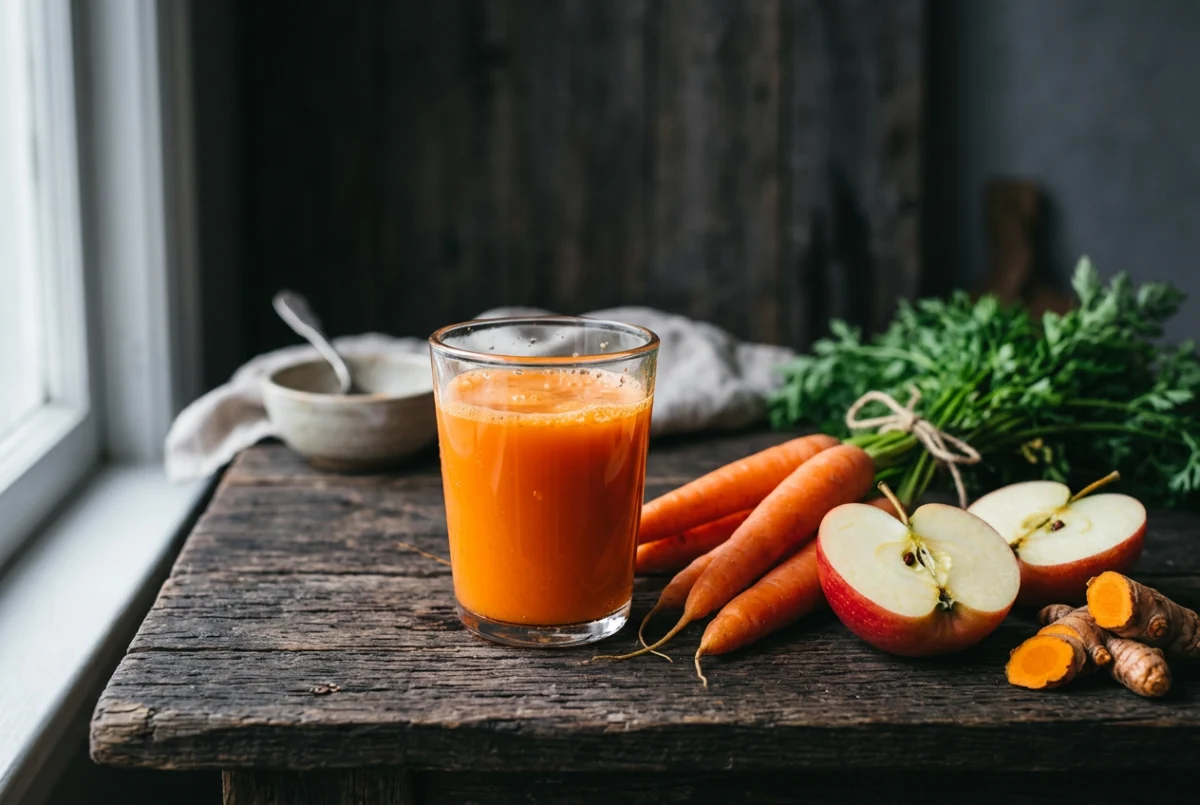
Carrot, beetroot and turmeric can tint the auger and the clear parts orange or pink. Rinse the parts as soon as you finish, before the juice dries, and most of it never sets. In our kitchen any remaining tint is cosmetic and fades over the next few uses. Avoid scourers and abrasive cleaners, which scratch the parts. Our guide to cleaning a Sana juicer has each model’s rules, and the ginger and turmeric shots post has tips for the rest of the kitchen.
Juice separating in the glass
Separation is normal. The heavier particles settle and the lighter juice rises, and the longer juice stands, the more it happens. Stir or shake it before you drink. The fine screen and a sieve over the glass give a clearer juice that separates less. If you store juice, fill the bottle to the top and shake it before pouring; our batch juicing guide covers storage.
Other things the manuals call normal
- Thin lines on the auger. The 707, 878 and 818 manuals describe these as moulding marks from manufacturing.
- A few drips from the pulp outlet at the start. Normal on the 878 and 818 with some produce; a seal forms after a few seconds.
- The juicer stops after a long session. The 878 and 818 have a thermal cut-out: let them cool for about ten minutes. The 707 manual asks for 60 minutes if it stops after its 30-minute limit.
- Juice leaking over the base of the 707. Feed more gradually and don’t overload the hopper.
The Sana juicers in this guide
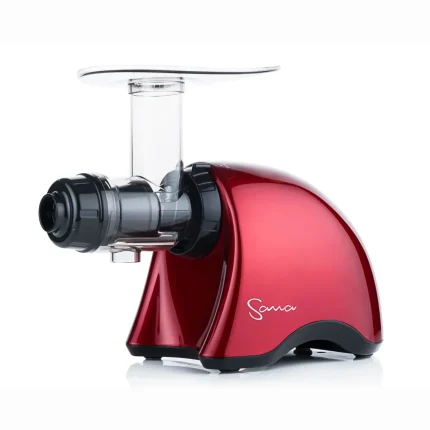
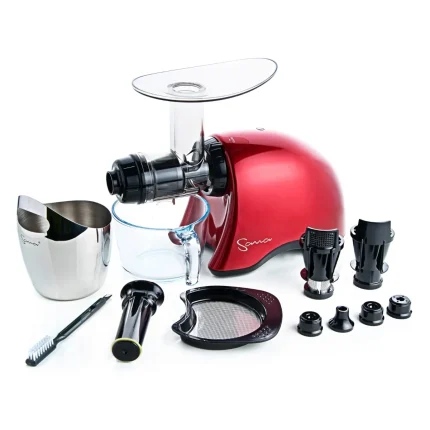
Sana 707 Juicer
Original price was: R9899,00.R7999,00Current price is: R7999,00.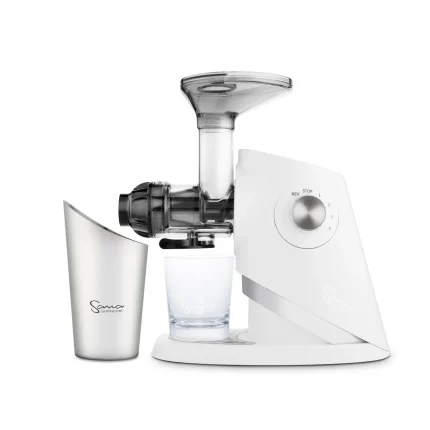
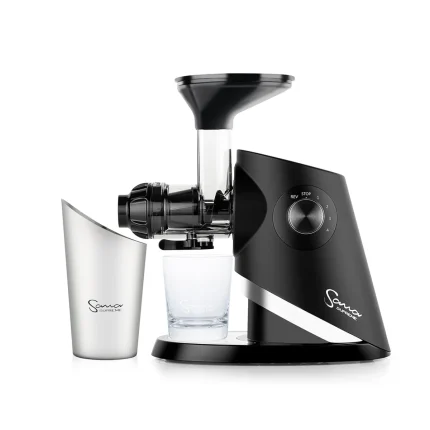
Sana 727 Supreme Juicer
Original price was: R14999,00.R12999,00Current price is: R12999,00.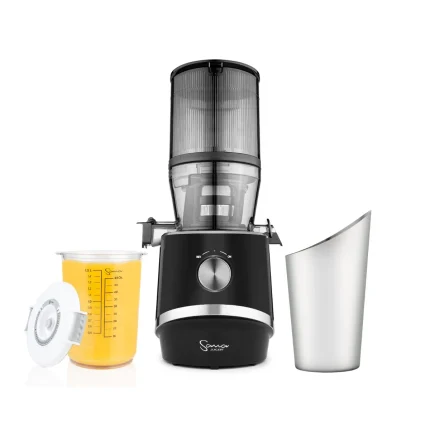
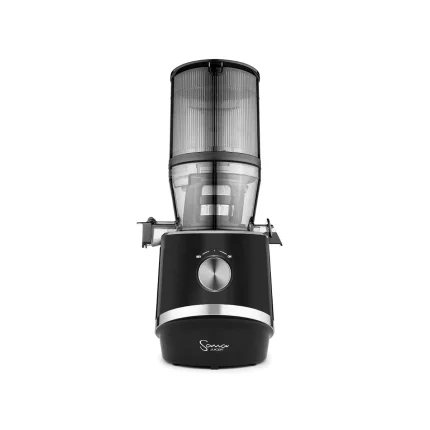
Sana 878 Juicer
Original price was: R11999,00.R9999,00Current price is: R9999,00.Frequently asked questions
Why is my juice so foamy?
Some produce, especially apples and pineapple, simply foams more. Let the juice stand for a minute and skim it, or pour it through a sieve. Mixing apple with celery or cucumber, feeding steadily and using the slowest speed for greens on the 727 and 929 all help. Foam is harmless.
Why is my juicer pulp so wet?
The usual causes are overfeeding, a screen clogged with fibre, soft produce on the fine screen, or tired produce. Feed more slowly, rinse the screen after about 1 kg, use the coarse screen for soft fruit and juice fresh, firm produce.
Should I put the pulp through a second time?
No. The 727, 878 and 818 manuals advise against juicing pulp again. Use it in cooking or compost it.
Why does celery clog my juicer?
Celery’s long, stringy fibres wrap around the auger and block the pulp outlet when the stalks are long. Cut them into 3 to 4 cm pieces, feed a handful at a time and let each one clear. On the 707, use the celery insert.
Is it normal for my juicer to squeak with beetroot?
Yes. The 878, 818 and 727 manuals all describe squeaking or loud running with beetroot and firm apples as normal. Cut beetroot smaller and feed it with softer produce. If the noise comes with heat, a smell or smoke, stop the juicer and contact your retailer.
How do I get carrot or turmeric stains off my juicer?
Rinse the parts straight after juicing so the colour doesn’t set. A light tint that remains is cosmetic and, in our kitchen, fades over the next few uses. Don’t use scourers or abrasive cleaners.
Why does my juice separate?
The heavier particles settle and the lighter juice rises as it stands. It is normal. Stir or shake before drinking, and use the fine screen or a sieve for a clearer juice.
Sources
- Sana 727 Supreme user manual (English), Sana Products: screens, overfeeding, low yield, auto-reverse, noise, strainer. sanaproducts.com
- Sana 707 user manual (English), Sana Products: strainers, reverse, leaks, run time and troubleshooting. sanaproducts.com
- Sana 878 user manual, Sana Products: celery, soft produce, hopper loading, reverse, squeaking and troubleshooting. sanaproducts.com
- Sana 818 user manual, Sana Products: preparing produce, reverse, noise and troubleshooting. sanaproducts.com
- Sana 929 Ultimate and celery insert product pages, SanaStore: speeds, pressure cap, leafy-greens bowl, jug and sieve; celery insert. sanastore.co.za · sanastore.co.za