Blog
Batch juicing: how to juice for the week and keep it fresh


Short answer. Batch juicing works best when you plan for two or three days of juice in the fridge, not seven. Fresh juice tastes best on the day you make it. After that, fill airtight glass bottles right to the top and keep them cold: in our kitchen, carrot and fruit-led juice is still good after one to three days, while green and cucumber-heavy juice is best drunk within a day. Sana’s 878 manual allows up to 72 hours in the fridge in a vacuum container. For the rest of the week, freeze portions in ice-cube trays or bottles and thaw them in the fridge overnight.
On this page
How long does fresh juice last?
Juice starts to change as soon as it leaves the juicer: air darkens the colour, flattens the flavour and the juice slowly separates. It happens gradually, which is why well-stored juice can still taste good on day two.
Sana’s own manuals give different limits for different models. The 727 manual suggests drinking juice straight away or storing it in the fridge for up to 24 hours. The 878 manual allows up to 72 hours in the fridge and recommends a vacuum container for the best results. The 818 manual says vegetable juice is best drunk immediately and shouldn’t be kept in the fridge for long.
In practice, what you juice matters more than which machine made it. This is what we find in our kitchen, with juice in full, sealed glass bottles:
| Juice | How long it keeps well | Good to know |
|---|---|---|
| Carrot, apple, orange and ginger | 2 to 3 days | Holds its colour and flavour best of all |
| Orange, pineapple and other citrus blends | 2 to 3 days | Separates; give it a shake |
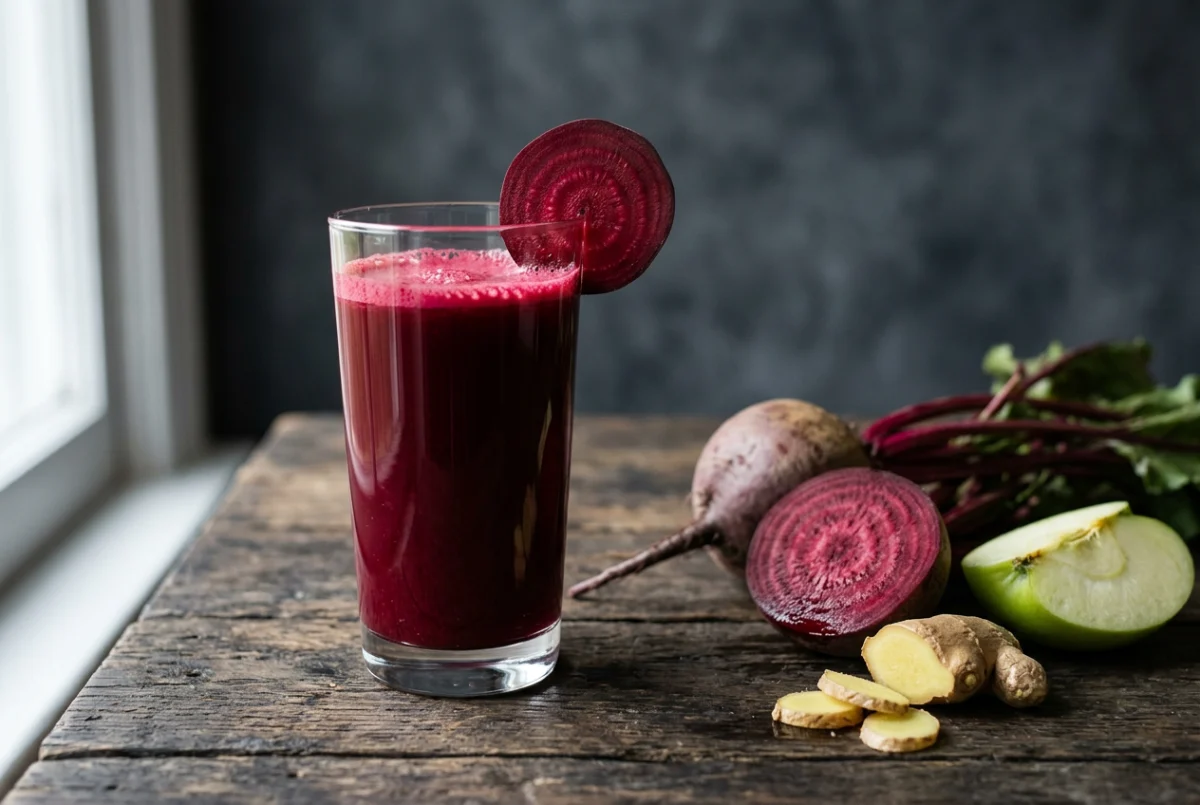
| Beetroot blends | 1 to 2 days | The earthy flavour gets stronger |
| Apple or pear on their own | 1 to 2 days | Browns quickly; lemon helps |
| Green juice (kale, celery, cucumber) | Within a day | Darkens, separates and turns grassy |
These are practical guidelines, not lab results. Trust your senses: if a juice smells sour, tastes fizzy or the lid has domed, throw it out.
What keeps well, and what doesn’t
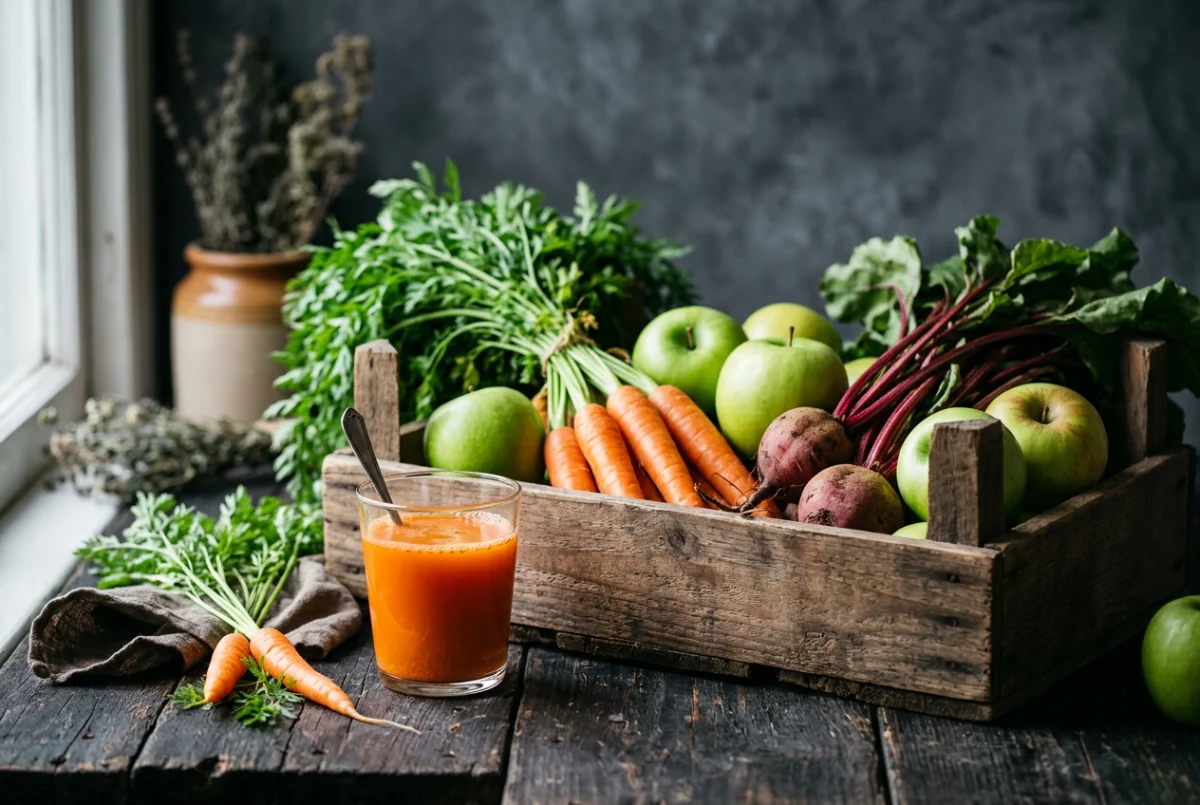
Carrot is the backbone of a good batch. It gives plenty of juice, holds its colour and keeps its flavour for days. Our carrot, orange and ginger foundation is a natural batch juice for the same reason.
Citrus and pineapple keep well too. Their acidity helps the flavour stay bright.
Pear and apple on their own brown fast. The taste is fine for a day or so, but the colour turns. Half a peeled lemon in the batch keeps the colour brighter and the flavour fresher.
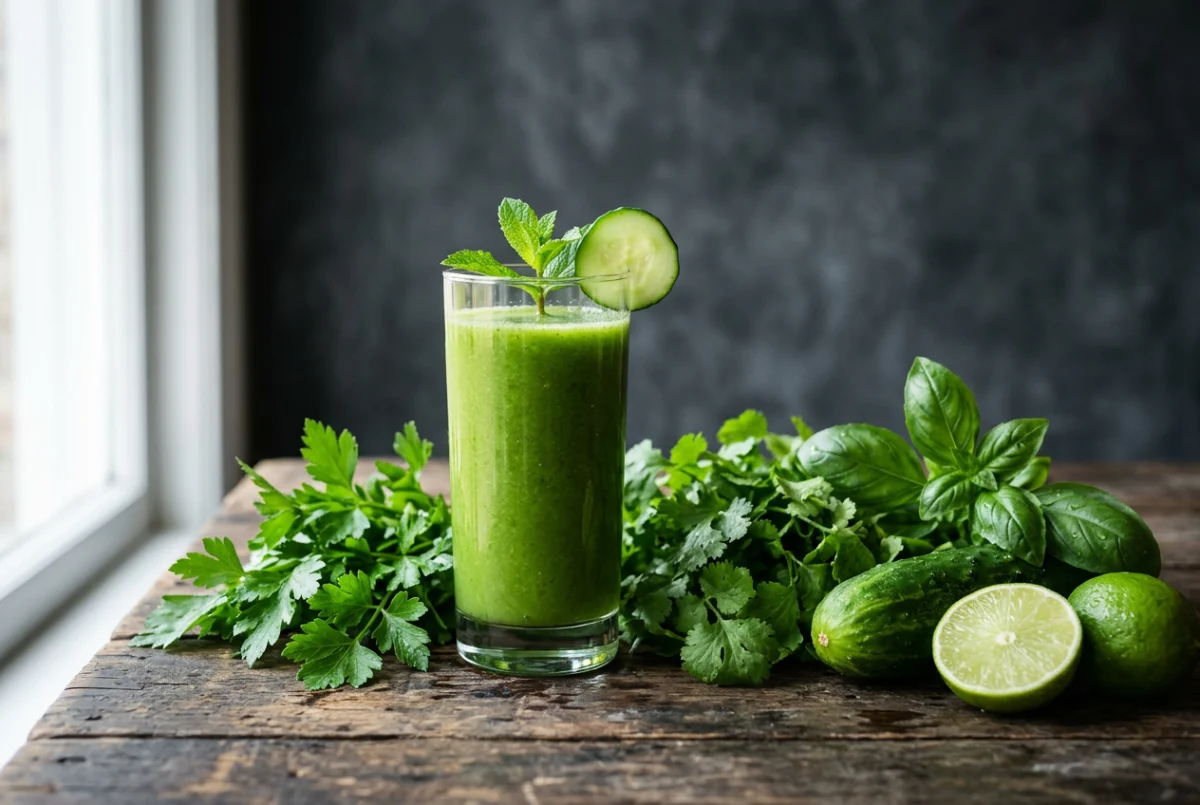
Greens are the hardest to keep. Kale, spinach, celery and cucumber juices darken, separate and take on a stewed, grassy taste by the next day. Make green juice in smaller amounts, more often. Our foundation green juice is quick enough to make fresh in the morning.
Cucumber-heavy and melon juices go flat. Watermelon and cucumber are mostly water and lose their freshness quickly. Drink them on the day.
How to store fresh juice so it stays fresh
- Fill glass bottles to the very top. The less air in the bottle, the slower the juice changes. Use several small bottles rather than one half-empty jug, so each one you open is full.
- Chill it straight away. Bottle the juice as it comes off the juicer and put it in the fridge, at the back, where it is coldest. The door is the warmest spot.
- Add lemon. Half a lemon per litre or so helps the colour and the taste.
- Label the day. A strip of masking tape and a marker does the job.
Vacuum containers help. Taking the air out slows the changes in colour and flavour. The Sana 878 comes with a 1.5-litre vacuum juice container with a hand pump and a date dial on the lid, so you pump out the air, set the day and put it in the fridge. SanaStore also sells the Sana vacuum pitcher, a 1-litre jug with its own pump and a citrus attachment for squeezing oranges straight into it. Sana says the vacuum extends the life and freshness of juice considerably.

Can you freeze fresh juice?
Yes, and freezing is how you stretch a batch across the whole week. Juice that would be past its best on day four tastes fine thawed from frozen.
- Ice-cube trays. Freeze juice in trays, then tip the cubes into a sealed bag. Drop a handful into a glass of water or sparkling water, or thaw a glass’s worth in the fridge.
- Bottles. Juice expands as it freezes, so leave 2 to 3 cm of space at the top. This is the one time you don’t fill to the brim.
- Thaw in the fridge. Move tomorrow’s bottle from the freezer to the fridge the night before. Shake it well; frozen juice separates more.
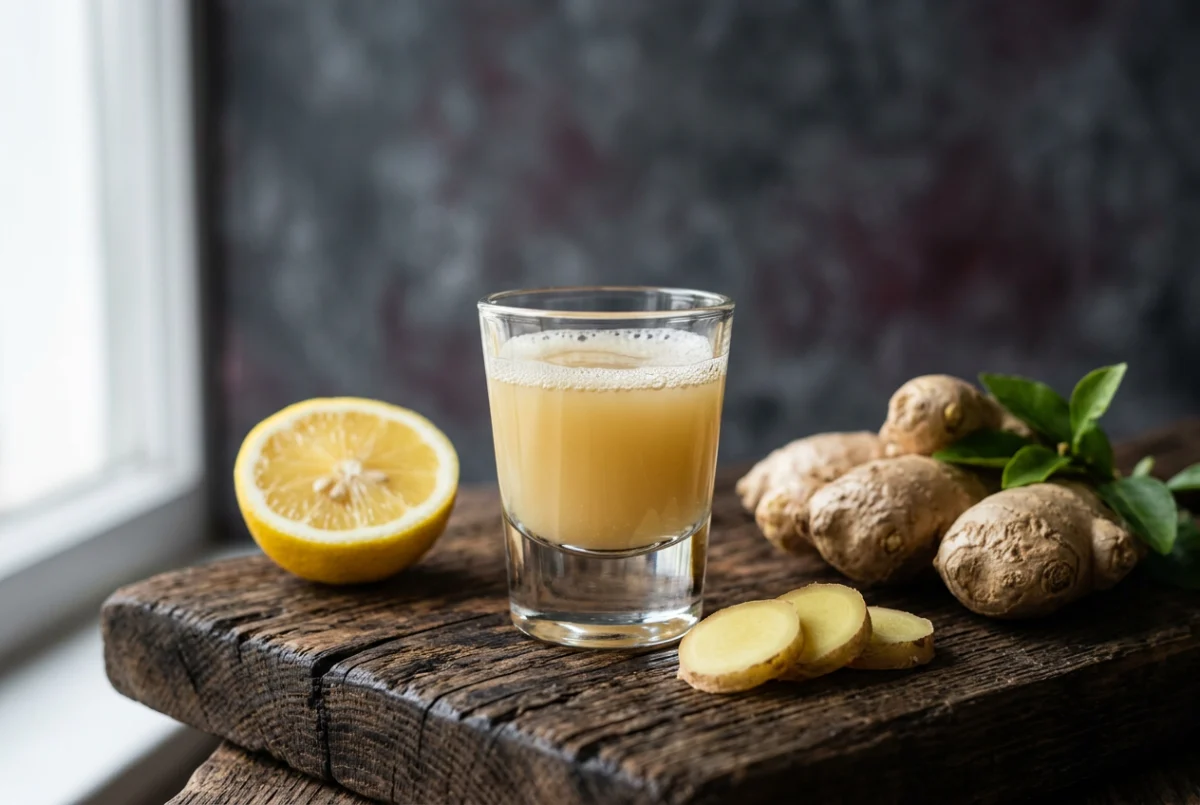
- Shots freeze well. Strong ginger and turmeric juice in an ice-cube tray gives you a shot a day without juicing every morning.
Which Sana suits batch juicing?
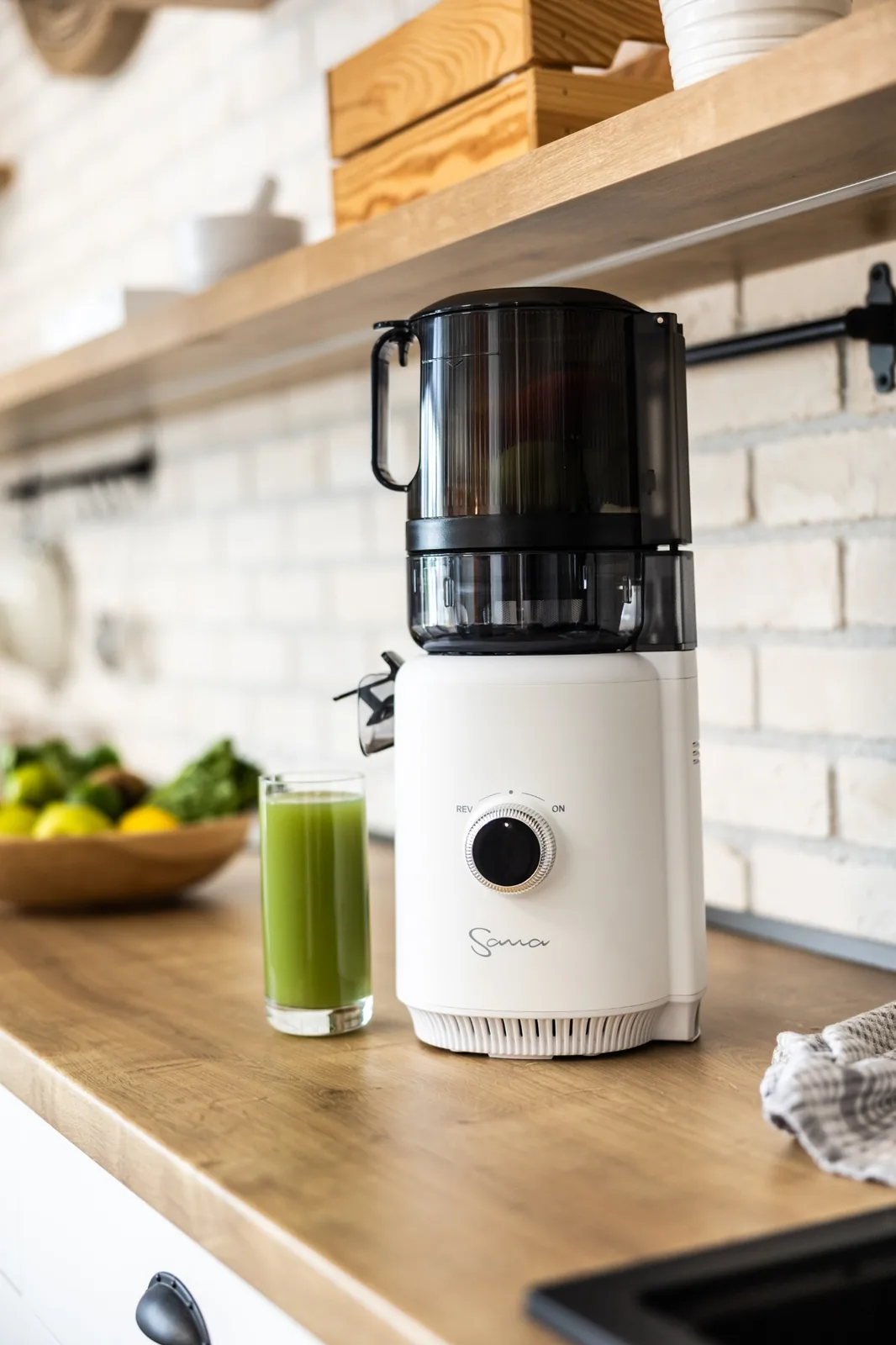
For fruit and carrot batches, a self-feeding juicer saves the most time. The Sana 878 has a 2-litre hopper: cut the produce to fit, core the apples, peel the oranges, fill it and let it feed itself while you wash the bottles. Two notes from its manual matter for big batches. Don’t fill the hopper above the limit line: overfilling it, or filling it with very firm produce such as beetroot, can make it jam, so mix carrots with apple and orange rather than loading carrots alone. And Sana recommends cleaning the juicer after juicing more than 1 kg of produce, so for a batch this size, stop halfway and rinse the screen.
The Sana 818 does the same job on a smaller scale with a 1,600 ml hopper.

If your batch is green, a horizontal juicer is the better tool. The Sana 727 and 929 have no run-time limit, so a long session of kale, celery and ginger isn’t a problem, and the 707 handles greens well too. Just plan to drink green juice the next day, or freeze it. Our guide to choosing a Sana covers the differences in more detail.
A Sunday batch plan
One main session and one short top-up cover a working week.
- Sunday. Make the batch below, about 1.5 to 1.8 litres. Bottle two or three days’ worth for the fridge and freeze the rest in bottles or cube trays.
- Monday to Tuesday. Drink from the fridge. Shake each bottle first.
- Wednesday. Move a frozen bottle to the fridge the night before, or do a short fresh session if you have ten minutes.
- Thursday to Friday. Drink the thawed juice, or use the cubes in sparkling water.
Keep green juice out of the Sunday batch and make it fresh on the mornings you want it.
For the batch itself, carrot gives body and colour, apple and orange add sweetness, and ginger and lemon keep it lively for days. It fills the 878’s 1.5-litre vacuum container with a little to spare.
Sunday batch: carrot, apple, orange and ginger
Ingredients
Equipment
Method
- Wash the bottles and lids in hot, soapy water and let them dry. Scrub the carrots, core the apples, and peel the oranges and lemon, removing the pips.
- Cut everything to fit your juicer. On the Sana 878 or 818, cut pieces to fit the hopper and slice the ginger thinly.
- On a self-feeding Sana, load a mix of orange, apple, carrot and ginger, staying below the fill line. On a horizontal Sana, alternate carrot, apple and orange and feed the ginger slices between them.
- Halfway through, stop and rinse the screen if the juicer slows. Sana recommends cleaning the 878 after more than 1 kg of produce.
- Juice the lemon last, then stir the whole batch well so every bottle tastes the same.
- Pour into bottles, filling each to the very top, seal and refrigerate straight away. For freezing, leave 2 to 3 cm of space at the top.
Notes
Keeping batch juice safe
Home-made juice isn’t pasteurised. The US Food and Drug Administration notes that untreated juice can carry bacteria from the produce, and that children, older adults, pregnant women and people with weakened immune systems are more at risk if it does. Storing juice for days makes good habits more important:
- Wash your hands, the produce and the bottles well before you start.
- Scrub carrots and other roots under running water.
- Clean the juicer straight after the session.
- Get the juice into the fridge quickly and keep it cold.
- If you are pregnant, or making juice for young children or someone unwell, drink it fresh rather than stored, and check with your doctor if you are unsure.
Even carrot-based juice carries natural sugars, so it works best as one glass with a meal rather than something to sip all day. If you have diabetes or another health condition, check with your doctor about how juice fits in.
The Sana juicers in this guide


Sana 878 Juicer
Original price was: R11999,00.R10399,00Current price is: R10399,00.

Sana 818 Juicer
Original price was: R6999,00.R5499,00Current price is: R5499,00.
Frequently asked questions
How long does fresh juice last in the fridge?
It is best on the day you make it. In our kitchen, carrot and fruit-led juice in a full, sealed glass bottle is still good for one to three days, and green or cucumber-heavy juice is best within a day. Sana’s 727 manual suggests up to 24 hours in the fridge, and the 878 manual allows up to 72 hours in a vacuum container.
Can I juice for the whole week?
Not in the fridge alone. Plan on two or three days of juice in the fridge and freeze the rest in bottles or ice-cube trays, then thaw each portion in the fridge overnight. A short top-up session mid-week also works well.
Can you freeze fresh juice?
Yes. Freeze it in ice-cube trays or in bottles with 2 to 3 cm of space at the top, because juice expands as it freezes. Thaw it in the fridge and shake it well before drinking.
Does a vacuum container make a difference?
Taking out the air slows the changes in colour and flavour. Sana’s 878 manual recommends a vacuum container for storing juice, and the 878 comes with a 1.5-litre vacuum juice container and hand pump. SanaStore also sells the Sana vacuum pitcher separately.
Why does stored juice separate?
The heavier parts of the juice settle and the lighter liquid rises. It is normal. Shake or stir it before you pour.
Which juices don’t keep well?
Green juices made with kale, spinach, celery or cucumber darken and turn grassy by the next day, and watermelon and cucumber juices go flat. Apple and pear on their own brown quickly. Make these fresh, or freeze them on the day.
Sources
- Sana 878 user manual, Sana Products: storing juice, vacuum containers, hopper fill line, cleaning after 1 kg. sanaproducts.com
- Sana 727 Supreme user manual (English), Sana Products: storing juice. sanaproducts.com
- Sana 818 user manual, Sana Products: storing vegetable juice. sanaproducts.com
- Sana 878 and Sana vacuum pitcher product pages: hopper, vacuum container, pump and date dial. sanastore.co.za · sanastore.co.za
- Talking about juice safety, US Food and Drug Administration. fda.gov