Blog
Fruit juices the whole family will drink

Short answer. The best fruit juice recipes for a family mix a sweet fruit with something milder and juicier, such as watermelon with cucumber, apple with carrot, or pineapple with green apple and mint. Prepare the fruit (peel citrus and melon, core apples, remove stones and hard pips), juice it on a self-feeding Sana 878 or 818, or on a horizontal Sana with the coarse screen for watery fruit, and serve it cold with a meal in small glasses. A splash of sparkling water or extra cucumber stretches the fruit further and keeps the sugar in check.
On this page
- Which Sana juicers suit fruit juice?
- Getting the fruit ready
- Watermelon, strawberry and lime cooler
- Apple, carrot and orange sunrise
- Pineapple, apple and mint
- More fruit juice recipes to try
- Fruit juice and sugar: keeping it sensible
- Fresh juice for little ones
- How long does fresh fruit juice keep?
- Frequently asked questions
Which Sana juicers suit fruit juice?
Any Sana juicer makes fruit juice. The difference is how much work you do while it runs, and how much you make at once.
| Sana model | Why it suits fruit | Good to know |
|---|---|---|
| Sana 878 | Hands-free batch juicer with a 2-litre hopper: fill it with prepared fruit and it feeds itself | Fine, coarse and sorbet screens included; XL stainless steel pulp container; 1.5 L vacuum juice container with a hand pump and date-dial lid |
| Sana 818 | Compact self-feeding juicer with a 1,600 ml hopper | Fine strainer included; the coarse strainer is sold separately |
| Sana 727, 929, 707 | Horizontal juicers that do fruit well with the coarse screen | You feed by hand; the 727 has a 90 rpm setting for fruit and 120 rpm for citrus |
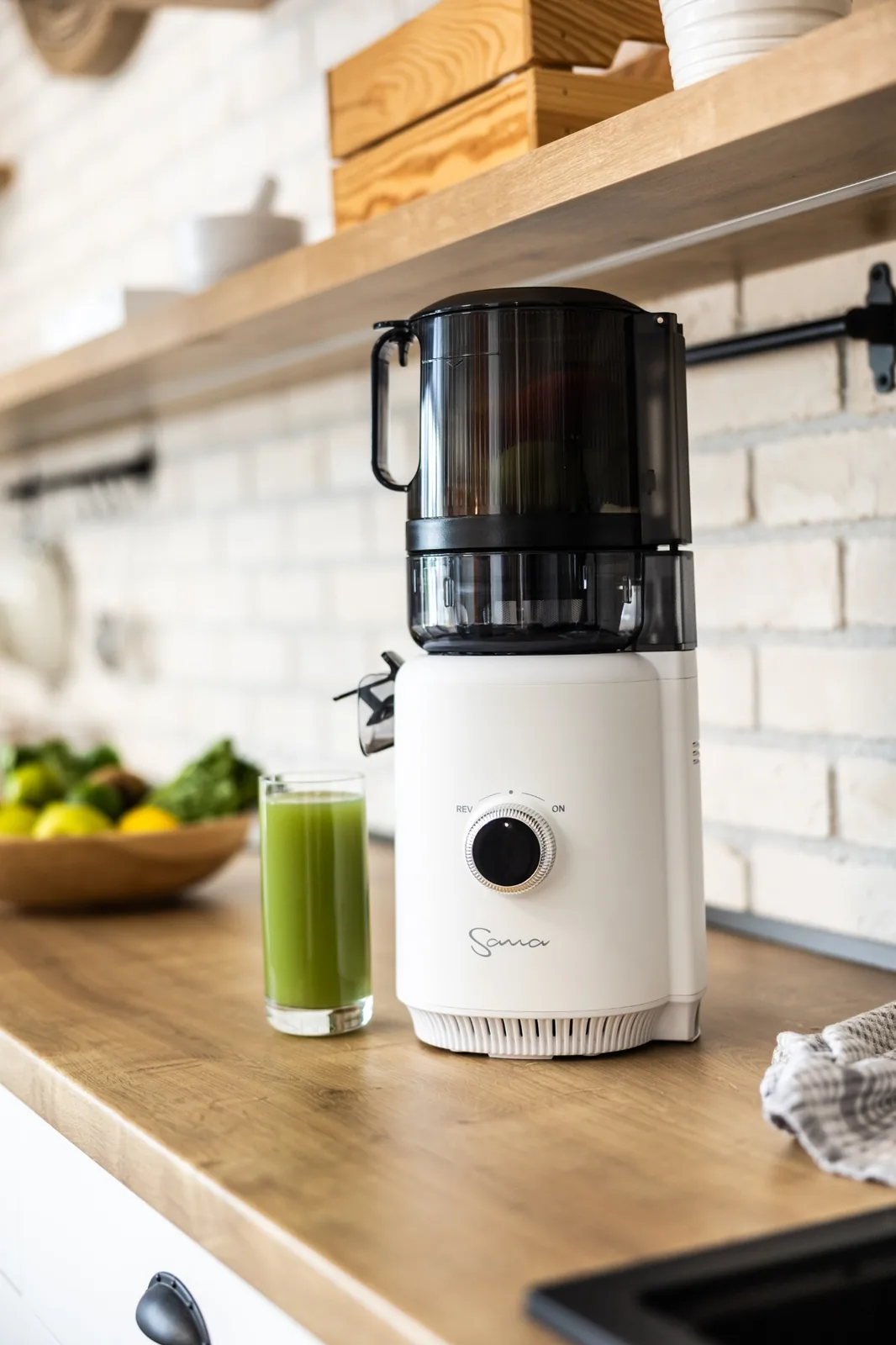
For a family, the 878 is the one we reach for. You load the hopper, close the lid and set the table while it works, and the big pulp container means you aren’t emptying it halfway through a jug. It is also a good-looking machine, with matte surfaces and stainless steel, in Soft White, Matte Black or Red. The 818 does the same job in a smaller footprint and suits a couple or a small family. The horizontals are built for greens, roots and celery, but with the coarse screen fitted they handle melon, pineapple and citrus without fuss.

Getting the fruit ready
- Wash everything well. Rinse fruit under running water, scrub firm produce like melons and cucumbers with a clean brush before you cut it, and cut away bruised or damaged bits. No soap or produce wash is needed.
- Use firm, cold apples. Crisp apples straight from the fridge juice cleanly. Soft, floury apples turn to purée and give very little.
- Core apples and pears. Both Sana manuals ask you to remove apple seeds, and an apple corer makes it quick.
- Peel citrus, melon and pineapple. Peel oranges, lemons and limes and pick out the pips. Take the skin off watermelon, spanspek and pineapple, and remove the hard black watermelon seeds, or buy seedless.
- Take out every stone. Mangoes, peaches, plums and cherries all need the stone removed first.
- Pull grapes off the stems. Seedless grapes are easiest.
- Go easy on soft fruit. Bananas and berries are low in juice and tend to purée. Use strawberries in small amounts with firmer fruit, and mash or blend a banana and stir it into the finished juice if you want one.
- Load the hopper sensibly. On the self-feeding models, Sana’s 818 manual suggests softer, lighter produce at the bottom and firmer pieces on top, and both the 818 and 878 manuals ask you to cut produce to fit the hopper.
Watermelon, strawberry and lime cooler
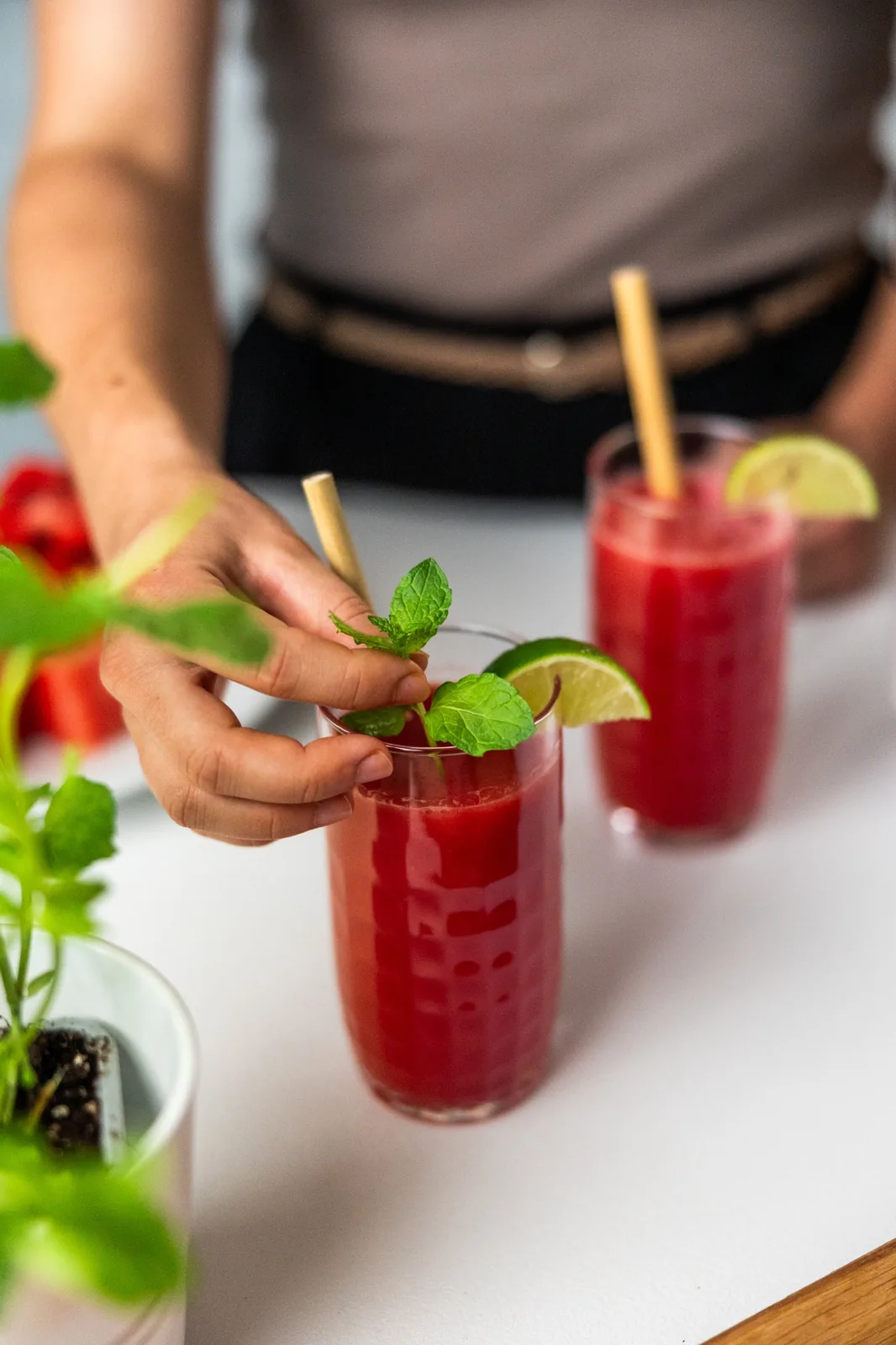
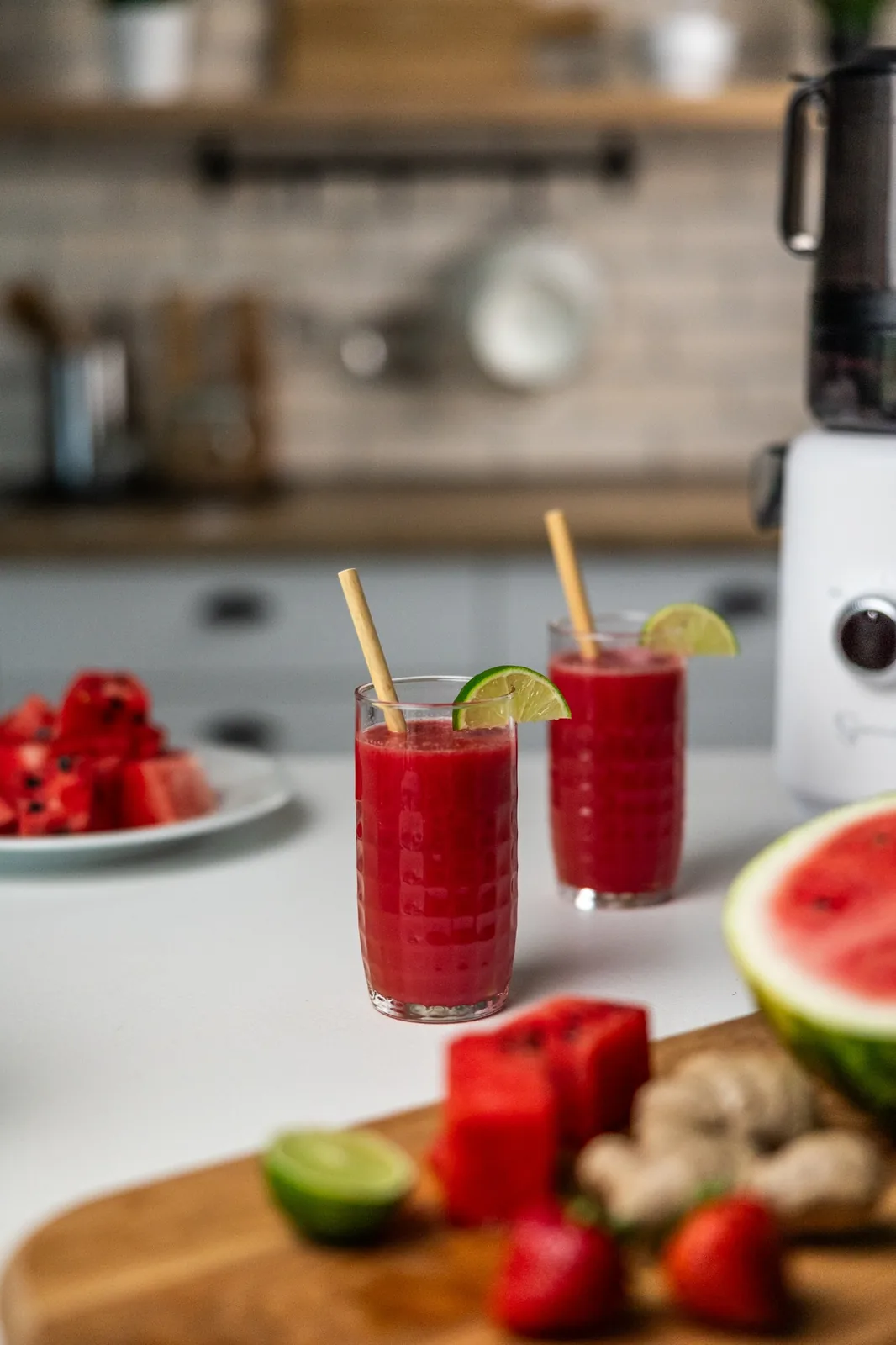
Watermelon is mostly water, so it juices fast and gives a lot, and half a cucumber stretches it further without anyone noticing. Strawberries add colour and a little tartness, and the lime keeps it from tasting flat. On the 878, fit the coarse screen.
Watermelon, strawberry and lime cooler
Ingredients
Equipment
Method
- Chill the fruit well before you start. Cut the watermelon flesh into chunks that fit the hopper and pick out any hard black seeds.
- Fit the coarse screen if your juicer has one.
- On the Sana 878 or 818, put the strawberries and watermelon in the hopper first and the cucumber and lime on top. On a horizontal juicer, feed the strawberries between chunks of watermelon and cucumber.
- Juice everything, then stir the jug well.
- Pour over ice, add a mint leaf or two and serve straight away.
Notes
Apple, carrot and orange sunrise
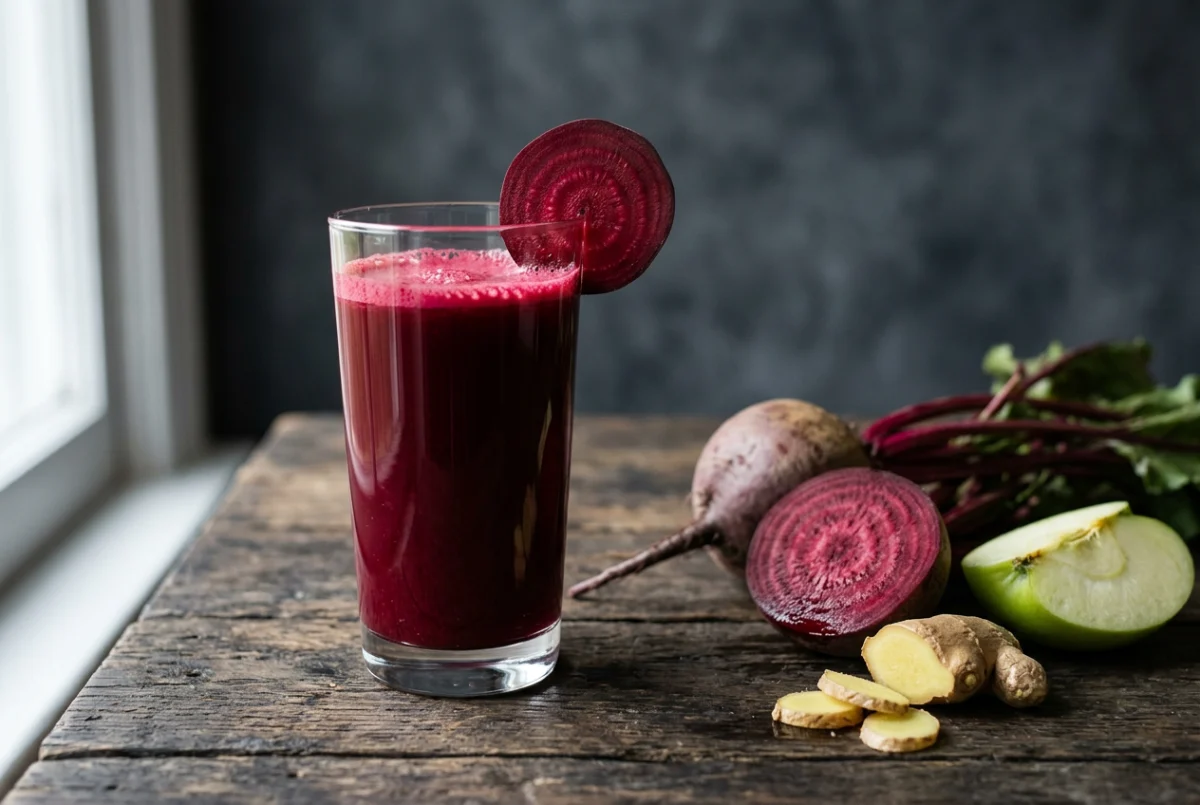
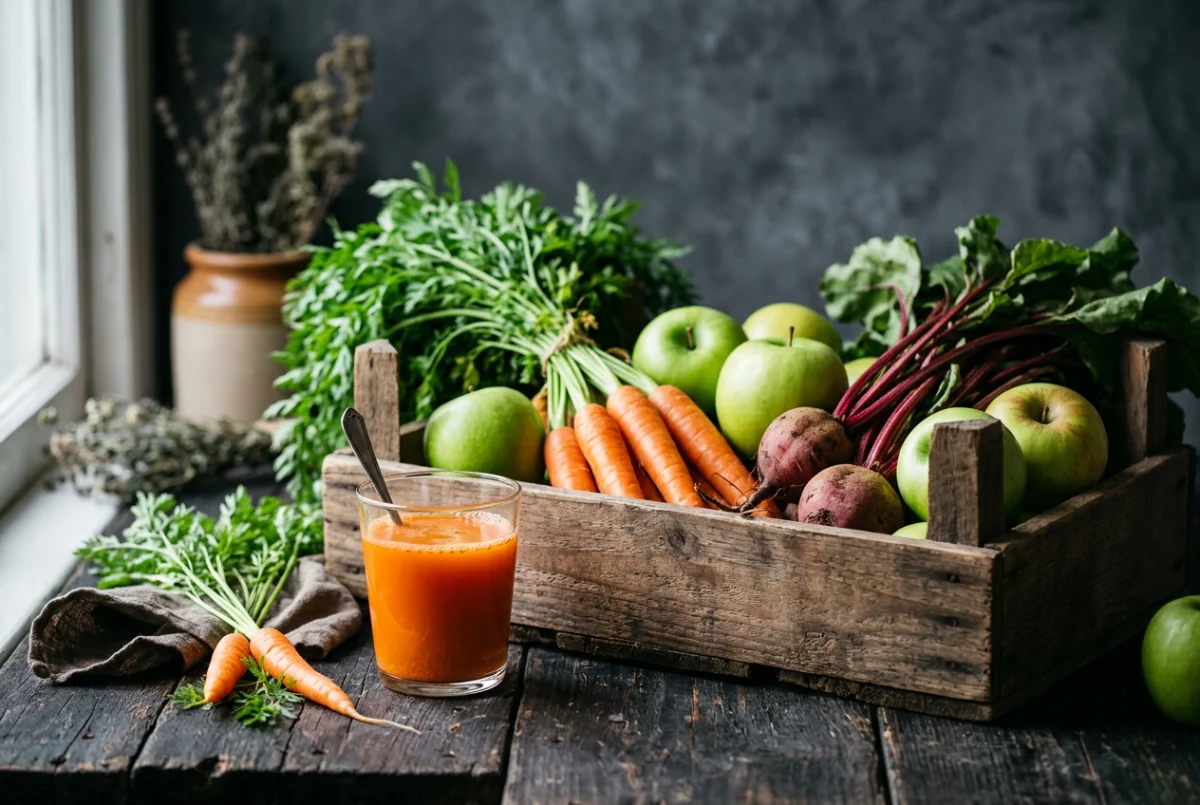
A good everyday juice for school mornings and weekend breakfasts. Carrot gives body and a deep orange colour and is less sweet than the fruit around it, so this glass carries less sugar than a straight apple or orange juice. Adults can add a thin slice of ginger to their half.
Apple, carrot and orange sunrise
Ingredients
Equipment
Method
- Core the apples and cut them into wedges. Scrub the carrots and cut them into sticks. Peel the oranges and remove the pips.
- Fit the fine screen.
- On the Sana 878 or 818, load the orange pieces first, then the apple and carrot on top. On a horizontal juicer, alternate carrot, apple and orange.
- Juice everything and stir. For an adult version, juice a thin slice of ginger at the end and stir it into one or two glasses.
- Serve cold, with breakfast.
Notes
Pineapple, apple and mint
Sharp, fragrant and very refreshing on a hot afternoon. Pineapple is juicy and soft, so it helps to alternate it with firm green apple, which pushes it through the screen. Feed the mint leaves between pieces of apple.
Pineapple, apple and mint juice
Ingredients
Equipment
Method
- Peel the pineapple, remove the eyes and cut the flesh into chunks that fit the hopper. Core the apples and cut them into wedges.
- Fit the coarse screen if your juicer has one.
- On the Sana 878 or 818, put the pineapple and mint in first and the apple and lime on top. On a horizontal juicer, alternate pineapple and apple, tucking the mint leaves between pieces of apple.
- Juice everything, stir well and taste. Add the lime if it needs more sharpness.
- Serve over ice.
Notes
More fruit juice recipes to try
Once the family has a favourite, these variations use the same method. Amounts are a guide; taste and adjust.
- Pear, grape and cucumber. Two firm pears, a large handful of seedless green grapes and half a cucumber. Mild, pale and very easy to drink.
- Kiwi and green apple fizz. Three peeled kiwis and two green apples, juiced together, then topped up with an equal amount of chilled sparkling water. Kiwis are soft, so feed them between the apple pieces.
- Spanspek, cucumber and lime. Half a peeled, seeded spanspek, half a cucumber and a peeled lime. Pale orange and gently sweet.
- Orange, carrot and mango. Two oranges, three carrots and the flesh of one ripe mango, fed between the carrots so it doesn’t build up in the chamber.
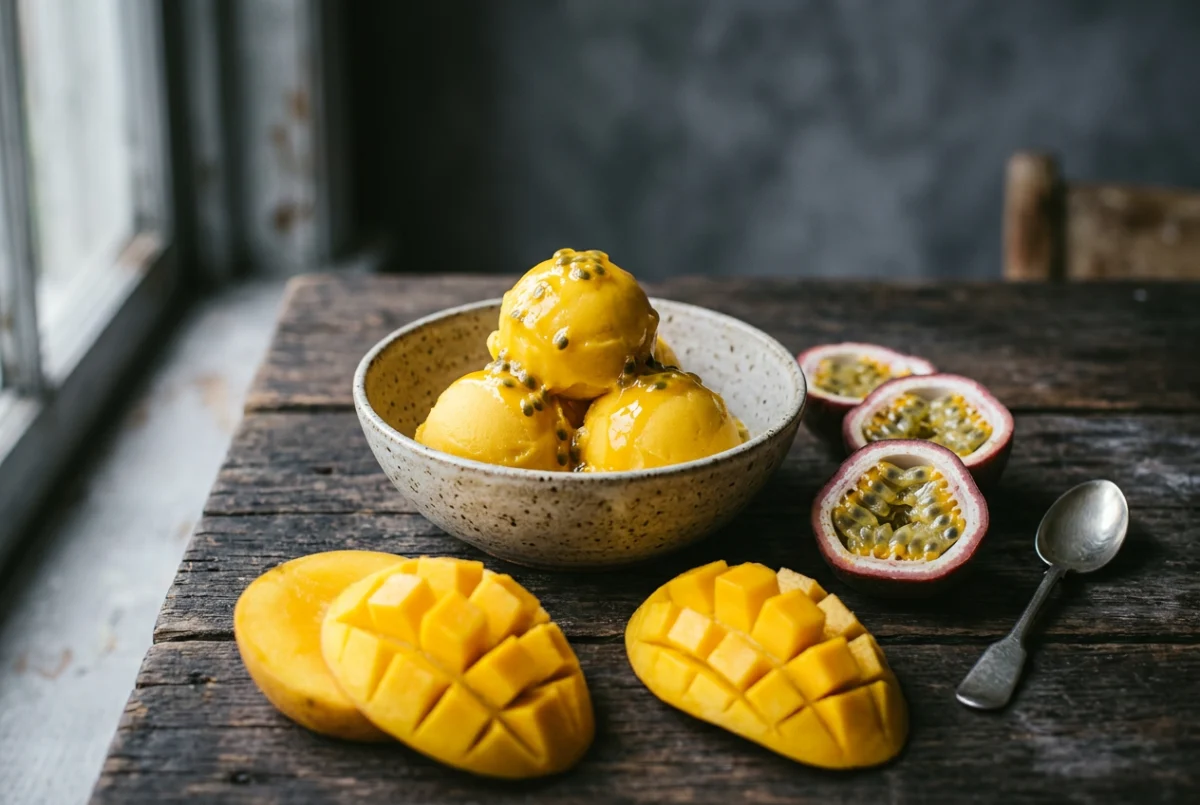
- Granadilla on top. Granadilla is more pulp than juice, so don’t put it through the juicer. Spoon a little over a glass of the pineapple or orange juice instead, for colour and crunch.
For a vegetable-led glass for the adults, our foundation green juice is the place to start.
Fruit juice and sugar: keeping it sensible
Juicing removes most of the fibre and releases the sugars in the fruit, and the NHS points out that even unsweetened fruit juice is sugary. Its guidance is to keep juice and smoothies to a combined 150 ml a day and to have them at mealtimes rather than as a snack between meals, which is kinder to teeth. Whole fruit keeps its fibre and is more filling, so juice works best alongside it rather than instead of it.
A few habits keep fruit juice a treat that fits into the day:
- Stretch the fruit. Cucumber, carrot, a stick of celery and lemon all add volume and freshness with less sugar than more fruit would.
- Top up with water. Sparkling or still water and plenty of ice turn one portion of juice into a long drink.
- Use small glasses. A 150 ml glass looks generous when it is filled to the top.
- Serve it with food. Breakfast or lunch is the time for juice, not mid-afternoon.
If anyone in the family has diabetes or another health condition, check with your doctor or dietitian about how juice fits in.
Fresh juice for little ones
Two things are worth knowing before you pour a glass for small children.
First, home-made juice isn’t pasteurised. The US Food and Drug Administration notes that untreated juice can carry bacteria from the produce, and that young children, older adults, pregnant women and people with weakened immune systems are more likely to become seriously ill if it does. That isn’t a reason to avoid it, just a reason to be careful: wash your hands and the fruit well, keep the juicer clean, and serve the juice fresh rather than leaving it standing.
Second, small children need less of it. The NHS says babies under 12 months don’t need fruit juice at all; if you do offer it, it suggests one part juice to ten parts water, at mealtimes only. It only suggests undiluted juice from the age of five, and then no more than about 150 ml a day with meals. Diluting also suits small palates, which often find full-strength juice very sweet. If your child is very young or has a health condition, ask your doctor or clinic before making fresh juice a regular thing.
How long does fresh fruit juice keep?
It tastes best on the day you make it, when it is coldest and brightest. Sana’s 878 manual says juice can be stored in the fridge for up to 72 hours and recommends a vacuum container for the best results, which is why the 878 comes with a 1.5 L vacuum juice container: pump out the air, set the date on the lid and it goes into the fridge. Without one, fill a glass bottle right to the top, seal it and drink it within a day or two.
Leftover juice also freezes well. Pour it into ice lolly moulds for an afternoon treat, or into ice cube trays to drop into sparkling water. And if there is frozen fruit in the freezer, the 878’s sorbet screen turns it into soft-serve sorbet for pudding.
Made with a Sana juicer


Sana 878 Juicer
Original price was: R11999,00.R10399,00Current price is: R10399,00.

Sana 818 Juicer
Original price was: R6999,00.R5499,00Current price is: R5499,00.

Sana 707 Juicer
R9899,00Frequently asked questions
Can I put whole fruit in the Sana 878?
Not quite. The 878 feeds itself from its 2-litre hopper, so you can fill it and walk away, but the manual asks you to cut produce into pieces that fit the hopper. Core apples and pears, peel citrus, melon and pineapple, and remove stones and hard pips before you load it.
Which fruits don’t juice well?
Bananas, avocados and other low-juice fruit tend to purée rather than juice, and berries, ripe kiwi and mango can build up in the chamber if you juice them alone. Use them in small amounts with firmer fruit such as apple or carrot, or stir a mashed banana into the finished juice.
Can the Sana 818 juice watermelon?
Yes. The 818 manual lists watermelon with the thick-peeled fruit: peel it, cut it to fit the hopper and remove the hard seeds. Watermelon gives a lot of juice, so it is quick.
How much fruit juice should children drink?
The NHS says babies under 12 months don’t need fruit juice, and if you do offer it, to dilute it (one part juice to ten parts water) and keep it to mealtimes. It suggests undiluted juice only from the age of five, and then no more than about 150 ml a day, served with meals.
Is home-made juice safe for young children?
Home-made juice isn’t pasteurised, and the US Food and Drug Administration notes that untreated juice carries a higher risk of serious illness for young children, older adults, pregnant women and people with weakened immune systems. Wash your hands and the produce well, keep the juicer clean and serve the juice fresh. If your child is very young or has a health condition, check with your doctor or clinic first.
How long does fresh fruit juice last in the fridge?
It is best on the day you make it. Sana’s 878 manual allows up to 72 hours in the fridge, ideally in a vacuum container like the one supplied with the 878. In an ordinary bottle, fill it to the top, seal it and drink it within a day or two.
Sources
- 5 A Day: what counts?, NHS. nhs.uk
- Drinks and cups for babies and young children, NHS. nhs.uk
- Talking about juice safety, US Food and Drug Administration. fda.gov
- Nutrition and healthy eating: juicing, Mayo Clinic. mayoclinic.org
- Sana 878 user manual, Sana Products: preparing produce, screens and storing juice. sanaproducts.com
- Sana 818 user manual, Sana Products: preparing produce and loading the hopper. sanaproducts.com
- Sana 878, Sana 818 and Sana 727 Supreme product pages: hopper sizes, accessories and speeds. sanastore.co.za · sanastore.co.za · sanastore.co.za